
Bread, Gold, Gun
1981
No user ratings available yet
Representation score: 3.3 out of 10
Representation Score
Limited
1957
Director
Samson Samsonov
Runtime
85 minutes
Average Rating
No ratings yetNew Showbiz Analysis
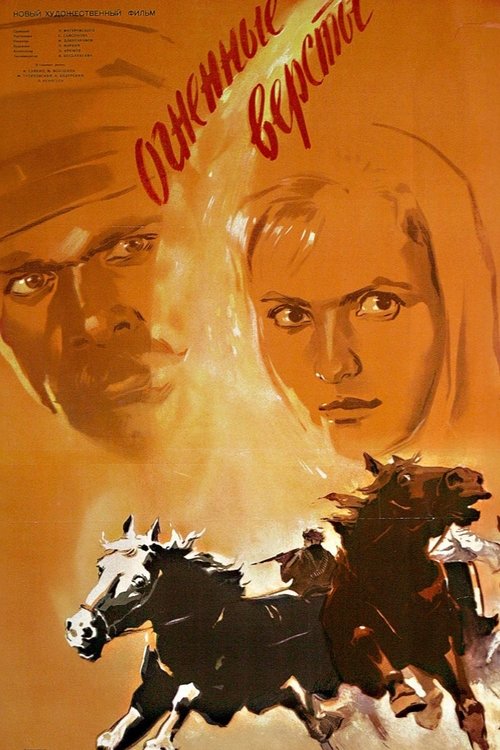
Miles of Fire is a historical war drama that features a range of social archetypes, including a professor, an actor, and a nurse. While these roles suggest a multifaceted character study, the film remains rooted in the rigid socio-political hierarchies of the 1950s Soviet era. The narrative prioritizes political conflict and revolutionary ideology over multi-layered complexity. It functions as a study of systemic change rather than a challenge to traditional social or identity-based hierarchies. Ultimately, the film offers meaningful historical character types but lacks the progressive representation seen in contemporary cinema.
Category Breakdown
The film does not include any LGBTQ+ characters or narratives that challenge traditional heterosexual relationships. Given its 1957 Soviet setting, the story emphasizes conventional social structures over queer identities.
A nurse plays a central role, offering a female presence within the action. However, her role likely adheres to traditional caregiver clichés that support the male-dominated cast.
Set during the Russian Civil War, the film implies a diverse ethnic landscape. Yet, the narrative focuses on political affiliations rather than specific racial or ethnic distinctions, emphasizing a unified Soviet identity.
The film examines the dismantling of Tsarist institutions in favor of revolutionary structures. It centers on the collective struggle and the deconstruction of the old world through a state-driven perspective.
The narrative does not mention characters dealing with physical or neurodivergent disabilities.
Present on Screen
Limited or Absent
Official Synopsis
Civil War. Southern steppes of Russia. Circumstances bring together various people: the Chekist, professor, actor, nurse and White Guard officer posing as a vet. On two tachanka's they make their way into the city.
1981

1969
1954

1977
1968
1970
1984
1942
No reviews yet. Be the first to share your thoughts on this movie!
Use the rating form above to leave a star rating and optional review.