
Those Awful Hats
1909
No user ratings available yet
Representation score: 0.4 out of 10
Representation Score
Minimal
1915
PassedDirector
C.J. Williams
Runtime
15 minutes
Average Rating
No ratings yetNew Showbiz Analysis
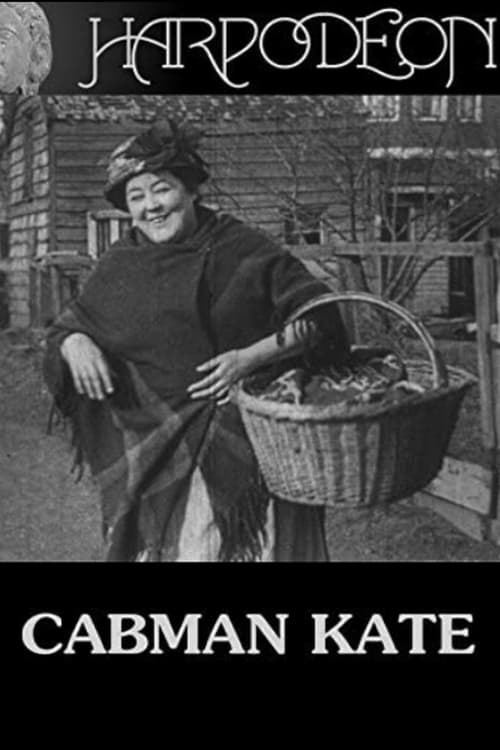
Cabman Kate is a period-specific comedy that adheres to traditional demographic frameworks. While it includes a minor subversion of gender roles, it lacks multi-layered complexity and fails to represent diverse identities such as LGBTQ+, racial diversity, or disabilities. The film's primary strength lies in its portrayal of a female protagonist who actively controls her economic situation by driving a cab. However, it remains constrained by the social norms of the early 20th century, lacking any meaningful engagement with contemporary diversity standards.
Category Breakdown
The film does not depict any non-straight relationships or same-sex intimacy. The storyline revolves around a conflict between a female laborer and a male debtor.
Kate challenges traditional gender roles by taking on a driver's position, a role usually reserved for men. She actively pursues her economic interests rather than being a passive figure.
The film features an all-white, Anglo-Saxon cast with no indication of racial or ethnic diversity.
The story highlights class-based conflicts and the disruption of commercial transactions. It slightly deviates from strict social norms by focusing on debt enforcement.
The narrative does not include any characters with visible or invisible disabilities. There is no indication of neurodivergence or physical impairments.
Present on Screen
Limited or Absent
Official Synopsis
Kate, a washerwoman, takes Tim McGrath’s cab on security when he doesn’t pay his laundry bill. Trouble arises when Kate picks up her first passenger.
1909
1918

1914
1935
1918
1915

1915
1914
No reviews yet. Be the first to share your thoughts on this movie!
Use the rating form above to leave a star rating and optional review.