Adventures of Mowgli: The Fight
1970
No user ratings available yet
Diversity score: 5.7 out of 10

1971
Director
Roman Davydov
Runtime
19 minutes
Average Rating
No ratings yetSynopsis
Episode 5. Mowgli stood the leader of the wolf pack. It's time to settle with the main enemy of Mowgli tiger Shere Khan. In addition, the jungle comes the time of renewal, blossom and love. Mowgli feels vaguely disturbing. It's time to leave the jungle and return back to the people.
Overall Score
Fair
Category Breakdown
LGBTQ+ Representation
The narrative focuses on Mowgli's transition from animal instinct to human social structures. While themes of blossom and love are mentioned, there is no explicit depiction of non-heteronormative identities.
Gender Representation
The story centers on Mowgli's shift from a wolf pack leader to a member of human society. However, the film lacks specific character arcs for female figures to explore gender hierarchies.
Racial & Ethnic Diversity
The film uses an anthropomorphic cast to metaphorically represent diverse social groups. The movement from the jungle to human society explores the integration of distinct cultural identities.
Religious & Cultural Diversity
The plot deconstructs instinct-driven hierarchies through Mowgli's return to humanity. This transition suggests a complex, potentially unsettling view of organized civilization and its established social institutions.
Disability Representation
The provided material contains no evidence regarding characters with physical or neurodivergent disabilities.
Strengths
Areas for Improvement
AI Analysis
This Soviet animation uses allegory to explore the tension between natural instinct and social structures. By focusing on Mowgli's evolution from a jungle leader to a human, the film examines systemic transitions and the complexity of organized society. While the film lacks explicit identity-based representation, it finds depth in its metaphorical use of non-human characters. The narrative explores the disruption of primal hierarchies and the unsettling nature of entering human civilization. Ultimately, the film functions as a social commentary on integration and the movement between different modes of existence, rather than a direct study of specific demographic identities.
1970
1969
1967
1968

2002
2009
1999
1981
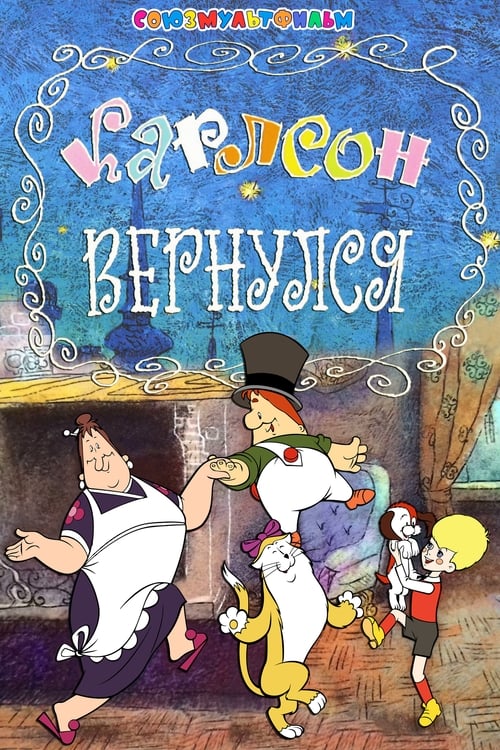
1970
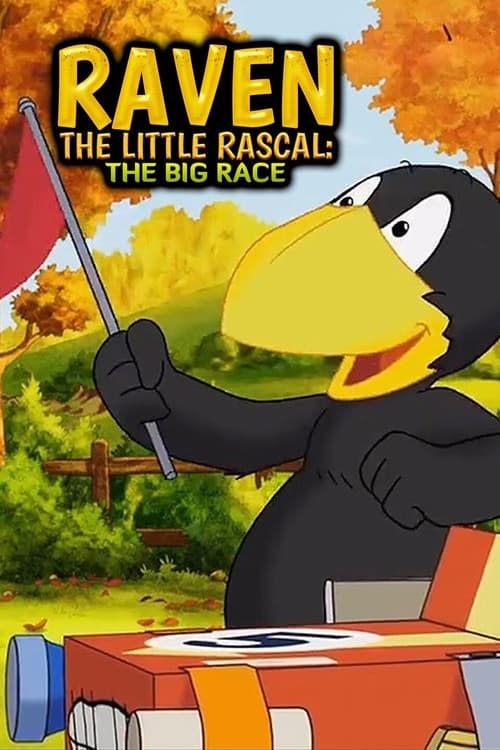
2015
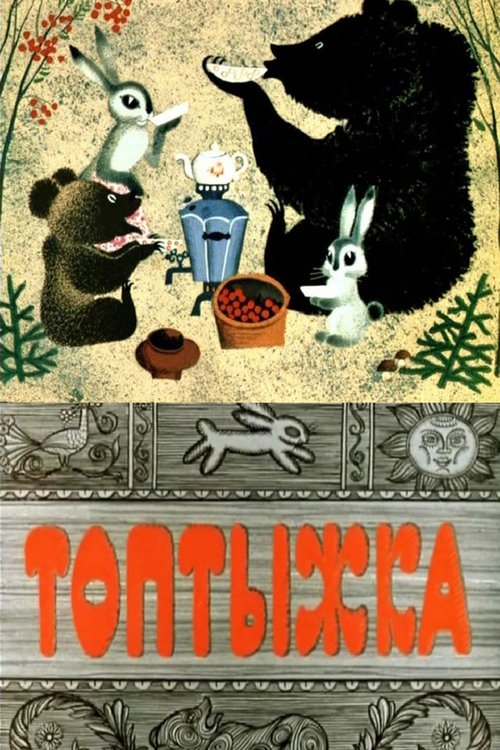
1964

2005
No reviews yet. Be the first to share your thoughts on this movie!
Use the rating form above to leave a star rating and optional review.