Ray's Big Idea
2014
No user ratings available yet
Diversity score: 4.5 out of 10
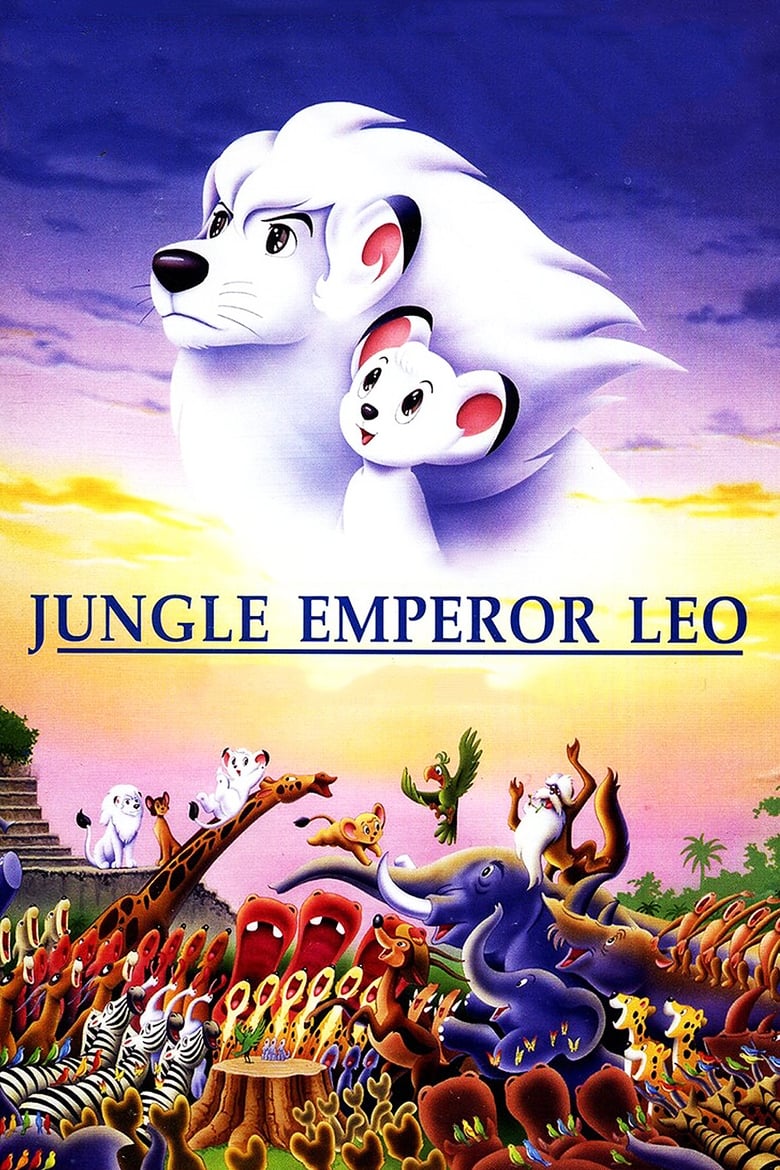
1997
Director
Yoshio Takeuchi
Runtime
100 minutes
Average Rating
No ratings yetSynopsis
Tezuka Osamu's most famous work "Jungle Emperor Leo" has been made into an animated version a number of times. In this theater version, Tezuka Osamu was able for the first time to depict the theme that "All life is equal" through Leo's self-sacrifice.
Overall Score
Fair
Category Breakdown
LGBTQ+ Representation
The film focuses on biological lineage and species preservation. It lacks any depiction of non-cisnormative identities or same-sex intimacy.
Gender Representation
Female characters primarily serve as emotional anchors and maternal figures. The narrative relies on traditional archetypes of nurturers rather than active political drivers.
Racial & Ethnic Diversity
Anthropomorphic species act as metaphors for diverse social groups. The tension between different animal tribes serves as a proxy for ethnic and cultural coexistence.
Religious & Cultural Diversity
The story critiques industrial expansionism and human superiority. It promotes a philosophy of radical equality through the theme that all life is equal.
Disability Representation
There are no prominent depictions of physical or neurodivergent disabilities. No such traits serve as central drivers for the characters.
Strengths
Areas for Improvement
AI Analysis
Jungle Emperor Leo functions as a sophisticated allegory rather than a study in human identity politics. It uses animal metaphors to dismantle traditional hierarchies and critique the destructive nature of industrial civilization. The film excels at using non-human characters to explore systemic victimhood. By framing the 'law of the jungle' against rigid institutional authority, it advocates for a fluid, naturalistic morality. However, the representation remains limited by traditional gender roles and a lack of explicit LGBTQ+ or disability-focused narratives. The diversity is found in its philosophical depth rather than human-centric identity markers.
No reviews yet. Be the first to share your thoughts on this movie!
Use the rating form above to leave a star rating and optional review.