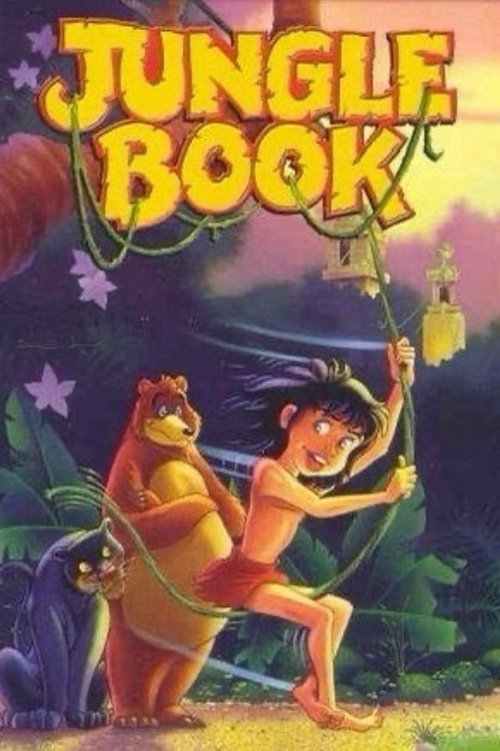
Jungle Book
1995
No user ratings available yet
Representation score: 4.7 out of 10
Representation Score
Minimal
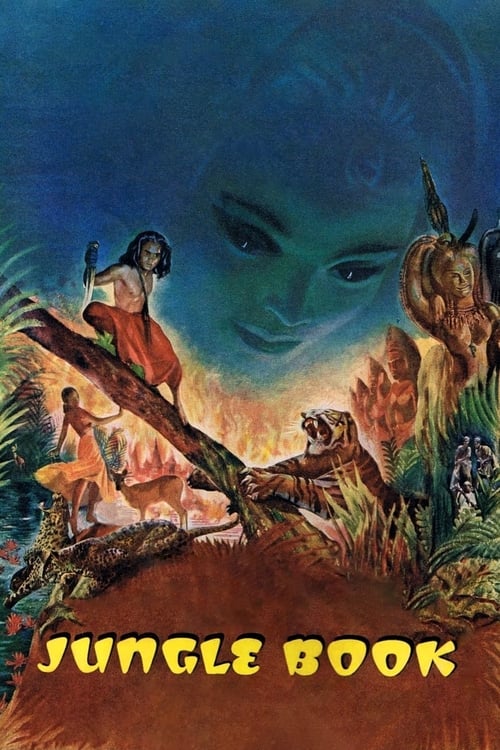
1942
NRDirector
Zoltan Korda
Runtime
106 minutes
Average Rating
No ratings yetNew Showbiz Analysis
This 1942 adaptation functions as a traditionalist narrative that upholds systemic hierarchies. The story relies on a strict, survivalist meritocracy governed by the 'Law of the Jungle,' emphasizing order and ancestral authority over social subversion. The film's perspective is heavily influenced by its colonial-era production context. While set in India, the narrative lacks multi-layered depth and maintains a worldview centered on established social codes and male-dominated power dynamics. Ultimately, the film reinforces conventional social structures. It lacks representation for LGBTQ+ identities and disabilities, focusing instead on a rigid, traditionalist framework of protector and mentor roles.
Category Breakdown
The film does not include any LGBTQ+ identities or queer subtext. Social dynamics are based on traditional family structures and male mentorship.
The plot is driven almost exclusively by male characters, with limited ability to act for women. Mowgli's mother appears, but the jungle hierarchy remains male-centric.
The Indian setting provides an atmospheric backdrop but does not offer deep character's ability to drive the story. The narrative reflects a colonial-era lens without challenging existing social hierarchies.
The story prioritizes the 'Law of the Jungle' as a rigid moral code. It celebrates ancestral authority and the preservation of established social structures.
There are no characters with visible or invisible disabilities. The film does not address neurodivergence or physical impairments in its character arcs.
Present on Screen
Limited or Absent
Official Synopsis
Mowgli, lost in the jungle when a toddler, raised by wolves, years later happens upon his human village and reconnects with its inhabitants, including his widowed mother. Continuing to maintain a relationship with the jungle, adventures follow.
1995

1949
1998
1939
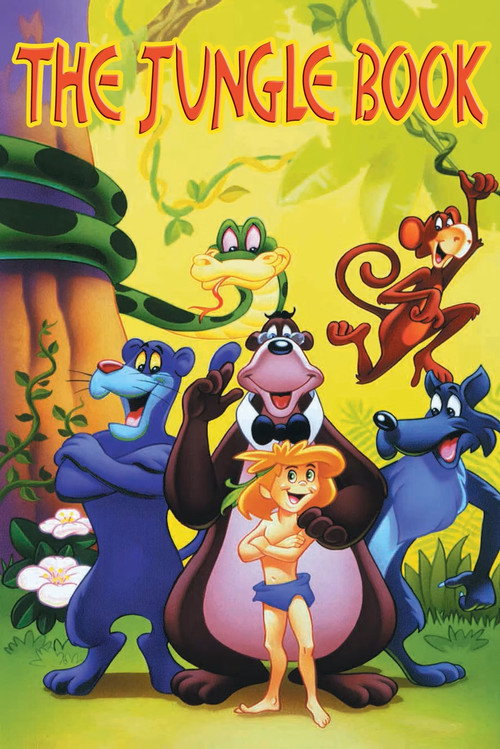
1990
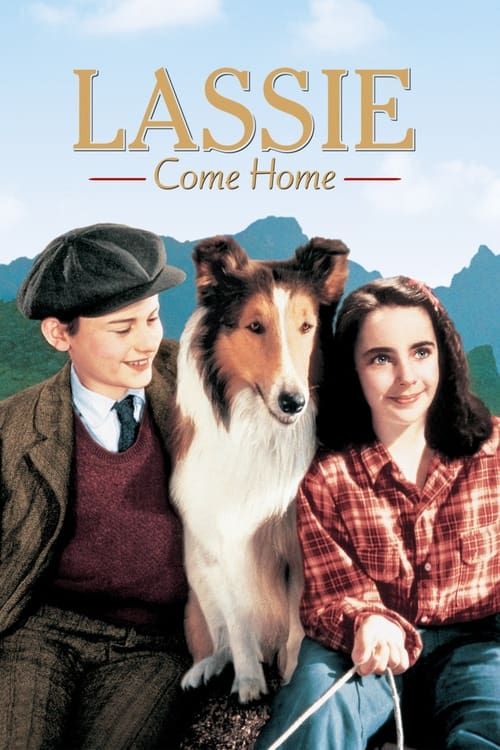
1943
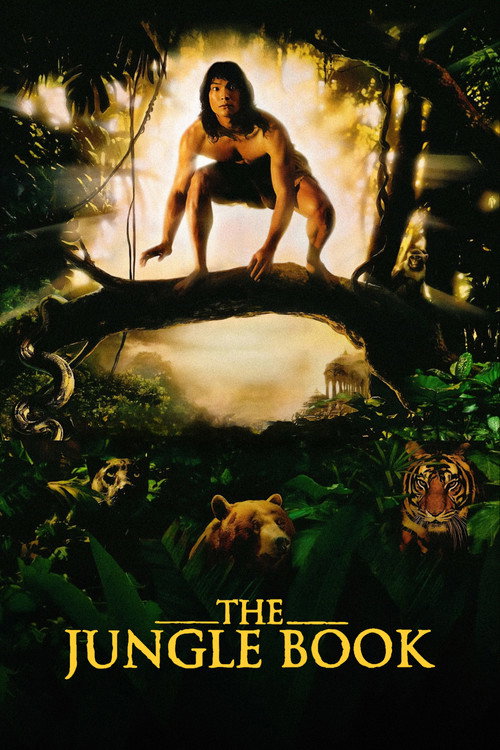
1994
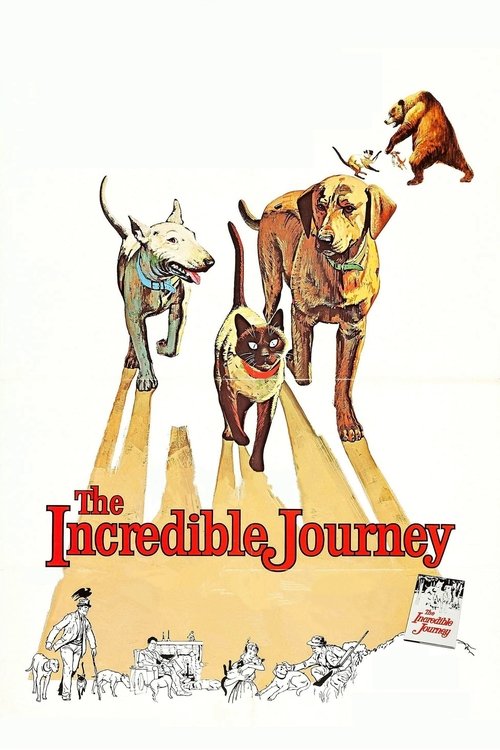
1963
No reviews yet. Be the first to share your thoughts on this movie!
Use the rating form above to leave a star rating and optional review.