
Adventures of Mowgli: Return to Mankind
1971
No user ratings available yet
Representation score: 5.6 out of 10

Representation Score
Limited
1967
Director
Roman Davydov
Runtime
19 minutes
Average Rating
No ratings yetNew Showbiz Analysis
The film examines the integration of a human outsider into a non-human social structure. It centers on the tension between maternal instinct and the rigid, institutionalized rules of the pack. While the animation lacks explicit modern identity politics, its structure disrupts conventional hero clichés. The conflict focuses on a vulnerable outsider navigating a law-bound community. The emphasis on the 'Law of the Jungle' provides a framework for analyzing how institutions manage those who do not fit established social norms.
Category Breakdown
The film focuses on familial and predatory dynamics within an animal framework. There is no evidence of LGBTQ+ identities or non-traditional gender expressions.
Raksha, the mother wolf, plays a significant role in driving the story. Her protective instincts and navigation of the Council's laws make her a key figure in providing safety and moral guidance.
Traditional racial hierarchies are abstracted through anthropomorphized animals. However, Mowgli’s status as an outsider serves as a metaphor for the struggle of the 'other' seeking belonging.
The narrative explores the tension between individual survival and the 'Law of the Jungle.' This collective governing body prioritizes systemic stability over individual life.
The story contains no specific evidence regarding characters with physical or neurodivergent disabilities.
Present on Screen
Limited or Absent
Official Synopsis
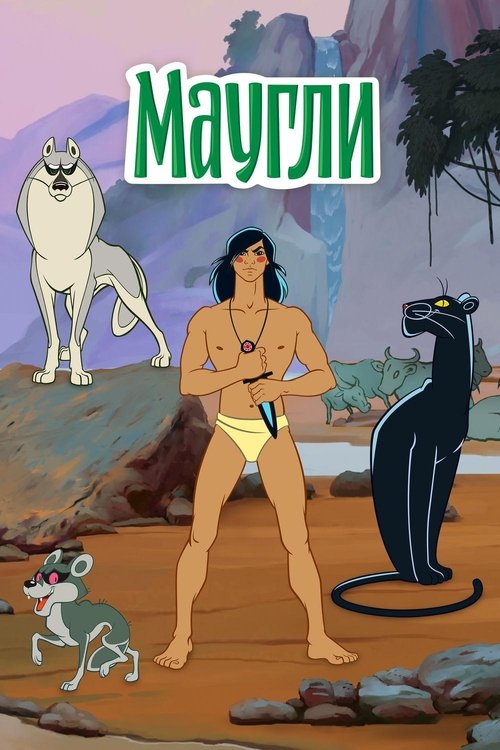
Episode 1. A small child falls into the jungle in the wolf family. He liked the mother wolf Raksha, which gave him the tiger Sher Khan. The wolves raised a human baby named Mowgli. But life in a wolf pack is subject to the law of the jungle. The Council of the pack should decide whether Mowgli live among the beasts or eaten by Shere Khan.
1971
1942
1968
2018

1969
1970
1973
2002
No reviews yet. Be the first to share your thoughts on this movie!
Use the rating form above to leave a star rating and optional review.