
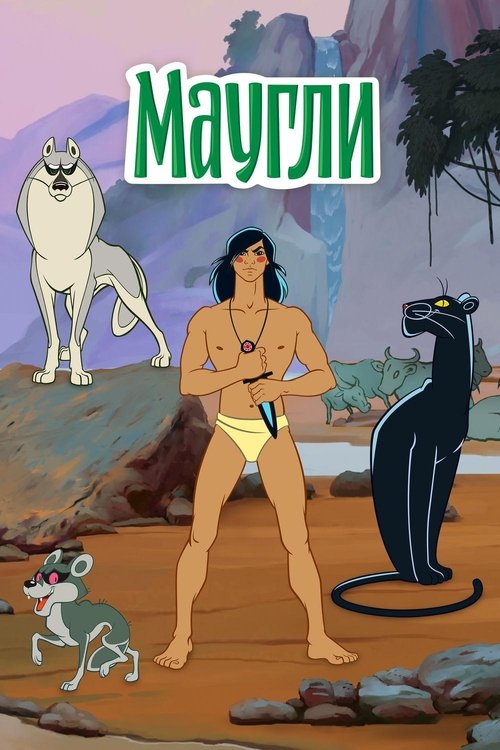
Adventures of Mowgli: Raksha
1967
No user ratings available yet
Representation score: 3.1 out of 10
Representation Score
Limited
1968
Director
Roman Davydov
Runtime
19 minutes
Average Rating
No ratings yetNew Showbiz Analysis
This animated adventure relies on animal metaphors to explore social dynamics and tribal leadership. While the use of non-human species offers a unique lens on social structures, the narrative remains rooted in traditional storytelling frameworks. The film lacks explicit representation of LGBTQ+ characters or significant women's ability to drive the story. The focus stays primarily on the male protagonist's journey within a hierarchy of wolves and monkeys. Ultimately, the work functions as a classic fable. It provides moderate inclusion through its non-human perspective but misses opportunities for deeper systemic critiques or diverse human identity representation.
Category Breakdown
The story focuses on the survival and social dynamics of a wolf pack and monkey tribe. There are no explicit LGBTQ+ characters or narratives exploring non-straight relationships.
The narrative centers on Mowgli, a male protagonist, navigating tribal hierarchies. It lacks evidence of female characters with high ability to act or the subversion of traditional gender roles.
By using animal surrogates like wolves and monkeys, the film explores diverse social structures. This non-human focus disrupts anthropocentric norms and traditional human hierarchies.
The plot explores themes of adoption and tribal tension through traditional adventure stories. It lacks explicit critiques of Western institutions or secularist sentiments.
The film contains no mention of characters possessing visible or invisible disabilities.
Present on Screen
Limited or Absent
Official Synopsis
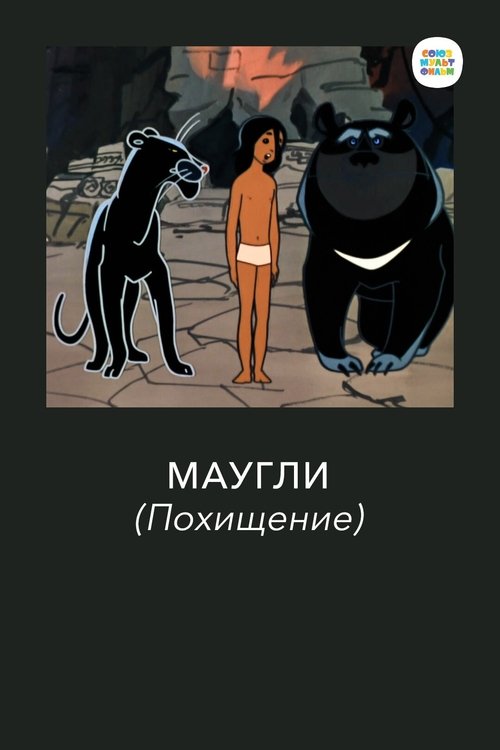
Episode 2. Mowgli — the adopted son of a wolf family. He grows quickly and learns from his mentors. The rumor that the wolf pack living human child, comes to banderlogs. The monkey tribe, decided to make Mowgli their leader. They steal Mowgli and transfer it into a towns ruins in the jungle.
1967
1942
1969

1971
1970
1973
1999
2002
No reviews yet. Be the first to share your thoughts on this movie!
Use the rating form above to leave a star rating and optional review.