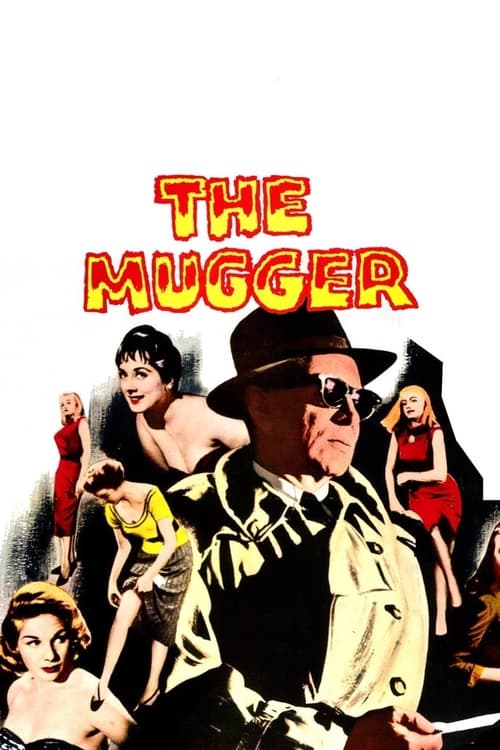
The Mugger
1958
No user ratings available yet
Diversity score: 2.2 out of 10
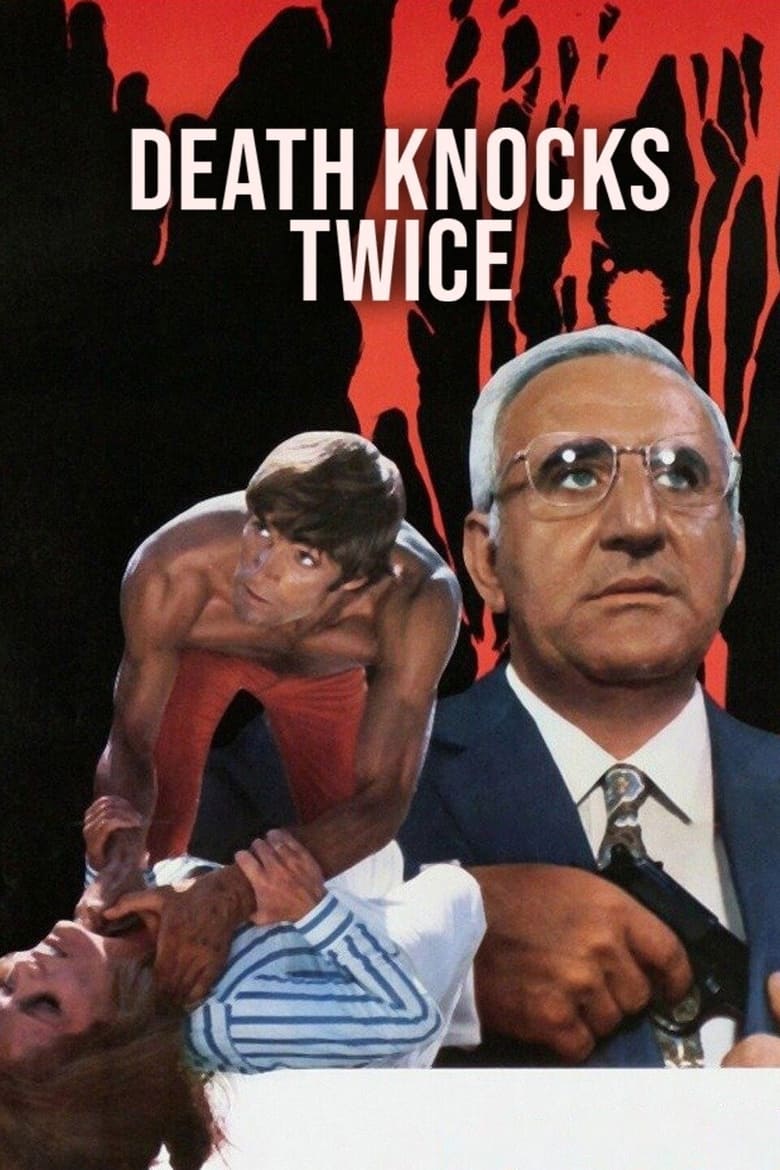
1969
NRDirector
Harald Philipp
Runtime
90 minutes
Average Rating
No ratings yetSynopsis
When private detective Bob Martin looking for a stolen diamond necklace, he also has a clever serial killer on the trail ...
Overall Score
Limited
Category Breakdown
LGBTQ+ Representation
The film relies on heteronormative tropes common to 1969 crime cinema. There is no evidence of non-cisnormative identities or critiques of traditional social structures.
Gender Representation
The narrative centers on a male detective, Bob Martin. Female characters appear to occupy secondary or reactive roles without challenging traditional masculine leadership.
Racial & Ethnic Diversity
The production likely reflects the demographic homogeneity of late-1960s European cinema. No evidence suggests a diverse or non-Anglo-Saxon majority cast.
Religious & Cultural Diversity
The story operates within a standard Western crime framework. It focuses on individual criminality rather than deconstructing religious or social institutions.
Disability Representation
No characters with physical or neurodivergent disabilities are mentioned. The film follows standard genre conventions that rarely center disability.
Strengths
Areas for Improvement
AI Analysis
Death Knocks Twice is a conventional 1969 crime thriller that prioritizes plot mechanics and suspense over social commentary. The narrative follows a standard investigative framework centered on a male protagonist and a serial killer antagonist. The film adheres to the established social and narrative hierarchies of its era. It lacks the intentionality required to disrupt traditional tropes or provide intersectional representation. Ultimately, the work functions as a period-typical genre piece, focusing on the resolution of a mystery rather than the deconstruction of systemic norms.
1958

1976
1981
1996
1977
1983

1967

1982
1972

1968
1960
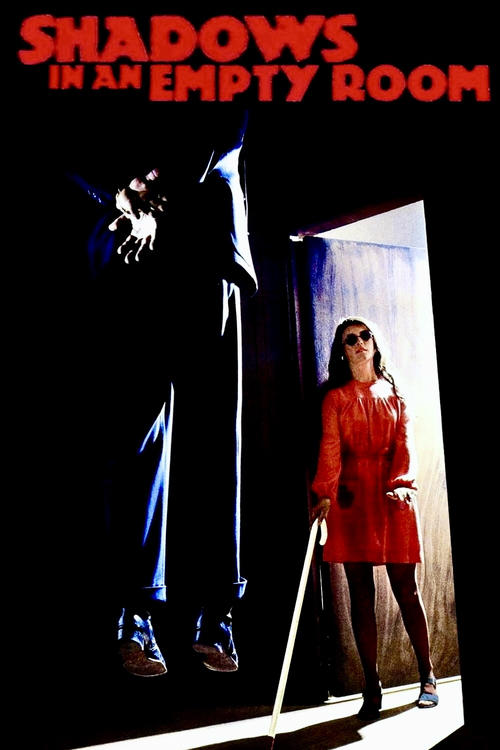
1976
No reviews yet. Be the first to share your thoughts on this movie!
Use the rating form above to leave a star rating and optional review.