Savage Splendor
1949
No user ratings available yet
Representation score: 0.8 out of 10
Representation Score
Minimal
1953
ApprovedDirector
Armand Denis
Runtime
65 minutes
Average Rating
No ratings yetNew Showbiz Analysis
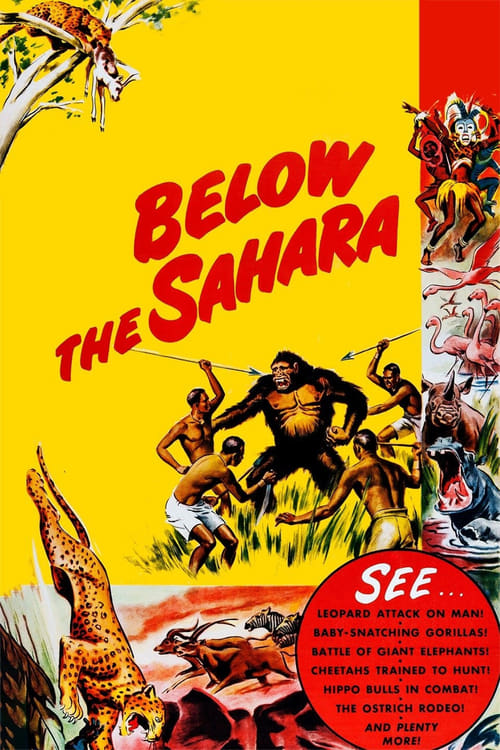
Below the Sahara serves as a period-specific artifact of 1950s colonial-era filmmaking. The narrative structure centers on the Western explorer's journey, reinforcing existing geopolitical hierarchies rather than challenging them. The film maintains traditional power dynamics. Indigenous people are used to facilitate the protagonist's goals, while gender roles remain strictly conventional, centering leadership on the male explorer. Ultimately, the work offers minimal representation of diverse identities. It functions as an extension of Western curiosity, prioritizing the discovery of landscapes over the complex roles of the local populations.
Category Breakdown
The film does not include any LGBTQ+ characters or stories that go beyond traditional heterosexual relationships. It focuses on the Denis family's partnership, which fits the typical nuclear family structure of the 1950s.
Michaela Denis is shown as a participant in the expedition, but her role seems more decorative than leadership-focused. Armand Denis remains the central figure with significant influence and control over events.
Indigenous populations are depicted mainly as tools to help the expedition, such as during the gorilla hunt. This portrayal reinforces a hierarchical power dynamic typical of colonial-era cinema.
The documentary reflects a Western-centric viewpoint focused on exploration and hunting. It emphasizes the explorer's experience over the cultural autonomy of the African regions visited.
There is no mention of subjects or characters with visible or invisible disabilities within the film's narrative.
Present on Screen
Limited or Absent
Official Synopsis
The photographic record of an African expedition led by producer-explorer Armand Denis and his (very) photogenic and camera-toting wife Michaela, who goes bird-riding at an ostrich farm. The expedition ranges from the central interior jungles and mountains to both coasts and as far south as Capetown, and ends with a gorilla hunt led by natives using 100-year-old muskets.
1949
2021
1951
2014
1932
1966
1956
1937
No reviews yet. Be the first to share your thoughts on this movie!
Use the rating form above to leave a star rating and optional review.