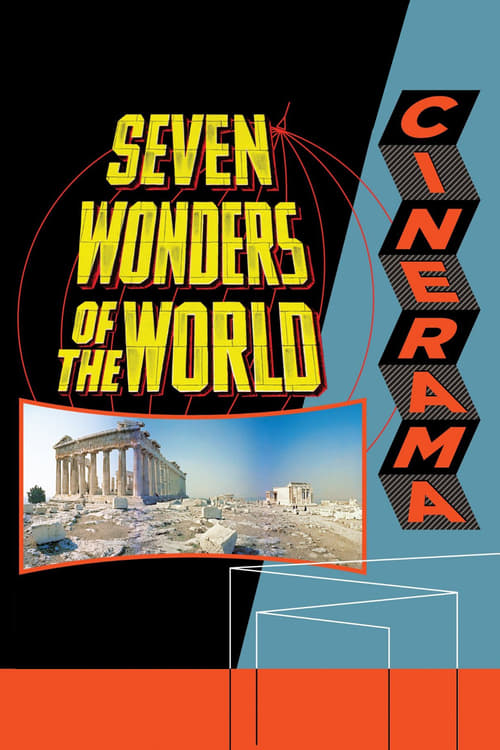
Seven Wonders of the World
1956
No user ratings available yet
Diversity score: 1.9 out of 10
No Poster Available
1952
Director
Errol Flynn
Runtime
17 minutes
Average Rating
No ratings yetSynopsis
Actor Errol Flynn takes a group of scientists from the California Institute of Oceanography on an expedition to the South Seas aboard his schooner, The Zaca.
Overall Score
Minimal
Category Breakdown
LGBTQ+ Representation
The documentary focuses strictly on a scientific expedition. It contains no depictions of non-cisnormative identities or same-sex intimacy.
Gender Representation
Leadership and agency are centered on male figures within the maritime and scientific spheres. The film reinforces traditional 1950s hierarchies of physical and intellectual authority.
Racial & Ethnic Diversity
The narrative prioritizes a Western scientific gaze during its South Seas expedition. Indigenous populations lack significant agency or presence in the film's architecture.
Religious & Cultural Diversity
The film emphasizes mid-century Western institutional values and maritime traditions. It presents an empirical view of the world without exploring diverse cultural perspectives.
Disability Representation
The footage focuses on the physical demands of oceanographic research. There is no representation of neurodivergent or physically disabled individuals.
Strengths
Areas for Improvement
AI Analysis
Cruise of the Zaca is a mid-century documentary that functions as a chronicle of scientific discovery. It adheres strictly to the social and institutional norms of 1952, prioritizing the Western scientific perspective over intersectional representation. The film's structure is built around traditional hierarchies, focusing on male-dominated maritime leadership and empirical observation. This results in a narrow social scope that lacks diversity in gender, race, and identity. Ultimately, the work serves as a time capsule of classical Hollywood-era documentary filmmaking, emphasizing established scientific and colonial-era maritime structures rather than diverse human experiences.
1956

1951
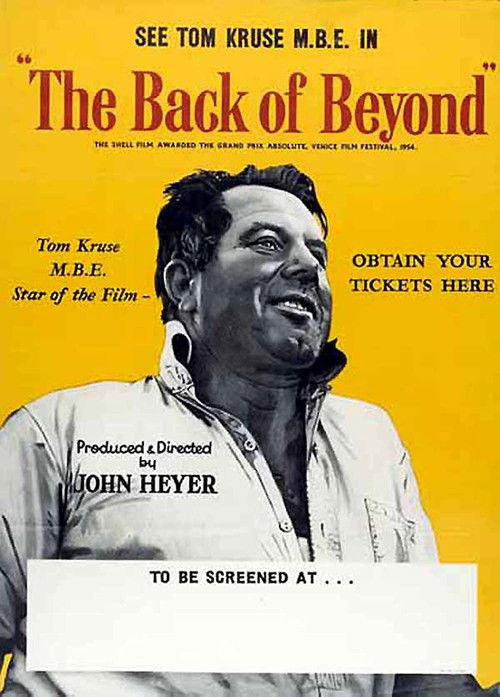
1954
1938
1939
1951
2022
1940
1940

1958
1941

1944
No reviews yet. Be the first to share your thoughts on this movie!
Use the rating form above to leave a star rating and optional review.