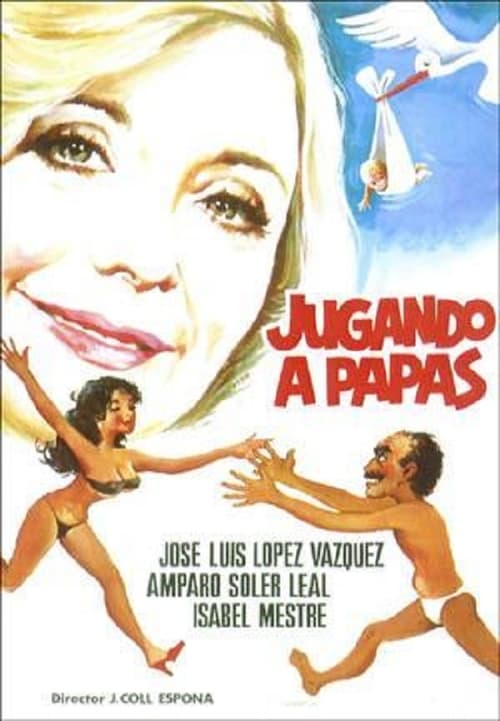
Playing Parents
1978
No user ratings available yet
Representation score: 2.5 out of 10
Representation Score
Limited
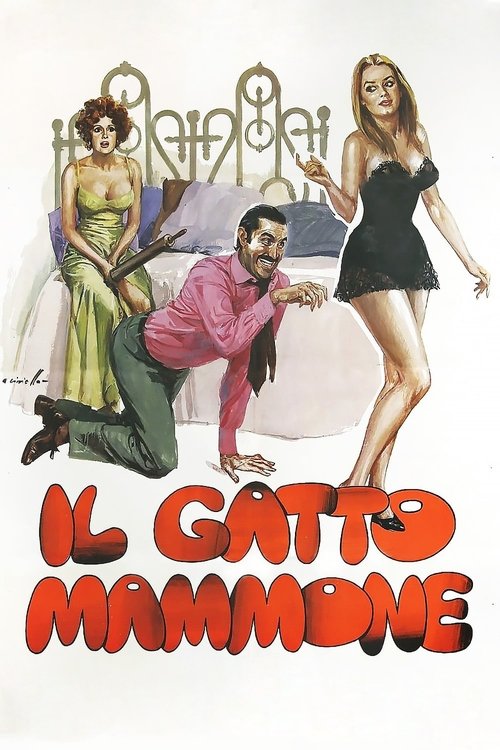
1975
Director
Nando Cicero
Runtime
95 minutes
Average Rating
No ratings yetNew Showbiz Analysis
Il gatto mammone serves as a satirical comedy from the mid-1970s that subverts traditional masculine competence. Instead of upholding the traditional patriarchal figure, the film portrays a male protagonist who is socially and domestically underrepresented due to his ineptitude. While the film provides a nuanced view of the instability of traditional family hierarchies, it remains culturally homogeneous and lacks diverse representation, focusing primarily on Italian social dynamics. Its strength lies in its comedic critique of gendered authority.
Category Breakdown
The film does not include any LGBTQ+ characters or stories that challenge the assumption that everyone is straight or cisgender. The plot focuses solely on heterosexual relationships and the pursuit of biological lineage.
The film challenges traditional masculinity by depicting the male protagonist as a bumbling figure. His actions are driven by desperation and he is ultimately influenced by the women around him.
The film portrays a predominantly homogeneous Italian society. There is no significant racial or ethnic diversity shown in the cast.
The film critiques the traditional family structure through the concept of 'mammismo,' using satire to challenge the idealized Western patriarchal family.
The film does not feature any characters with visible or invisible disabilities, nor does it include any portrayal of neurodivergence or physical impairments.
Present on Screen
Limited or Absent
Official Synopsis
Lando Buzzanca plays a man desperate to father a male heir. However, his wife (Roseanne Podesta) is apparently barren. They decide to use a surrogate mother, which, since this was in the days before artificial insemination, means Buzzanca will have to impregnate the surrogate the "old-fashioned" way. After a mishap involving a VERY unattractive but fertile widow, Buzzanca sets his sights on young girl (Gloria Guida) at an orphanage for unwed mothers (who has already given an illegitimate child up for adoption). They hire her as a maid, but she is under the impression they're going to adopt her, leading to some quasi-incestual misunderstandings...
1978
1973

1964
1961
1982
1976

1992

1973
No reviews yet. Be the first to share your thoughts on this movie!
Use the rating form above to leave a star rating and optional review.