
Rompecorazones
1992
No user ratings available yet
Representation score: 1.6 out of 10

Representation Score
Good
1964
Director
Ricardo Alventosa
Runtime
74 minutes
Average Rating
No ratings yetNew Showbiz Analysis
The Inheritance is a mid-century Argentine dark comedy that critiques social and economic structures through a reproductive crisis. While it lacks modern characters who reflect more than one aspect of diversity, it avoids simple domestic clichés by focusing on the transactional nature of marriage and inheritance. The film's strength lies in its challenge to the stable family unit. By making financial survival dependent on biological outcomes, the narrative breaks away from passive female roles in period comedies. However, the film remains limited by its era. It operates within a narrow focus on straight relationships and uses medical conditions like infertility as plot drivers rather than exploring deeper themes of disability or neurodivergence.
Category Breakdown
The film does not include explicit LGBTQ+ characters or explore non-straight relationships. The plot revolves around a couple's struggle with biological reproduction, adhering to traditional heterosexual norms.
A woman's ability to drive the story is linked to her fertility, which challenges traditional patriarchal roles by focusing on infertility and the breakdown of domestic stability.
The cast is mainly Argentine, reflecting the demographics of 1960s South American cinema. There is no indication of intentional race-bending or a diverse cast.
The dark comedy deconstructs the sanctity of the family unit through themes of marriage for money. It provides a cynical critique of Western capitalist and social institutions.
Infertility serves as the central plot driver, functioning primarily as a comedic element rather than a means of empowering characters or exploring disability.
Present on Screen
Limited or Absent
Official Synopsis
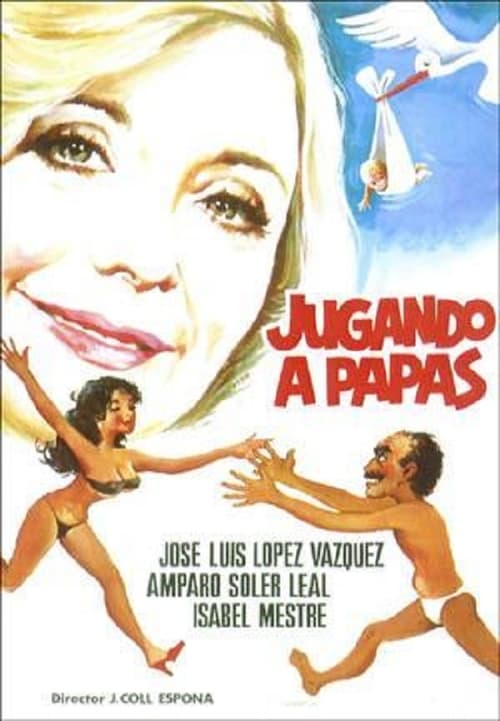
A woman and her husband are faced with a dilemma when her aunt dies. In order to collect her inheritance, she must produce a daughter. The problem is that the woman's husband seems to be sterile. After they try every method to conceive, they resort to help from an outside source.
1992
1961
2008

2011
1978

1994
1975

1996
No reviews yet. Be the first to share your thoughts on this movie!
Use the rating form above to leave a star rating and optional review.