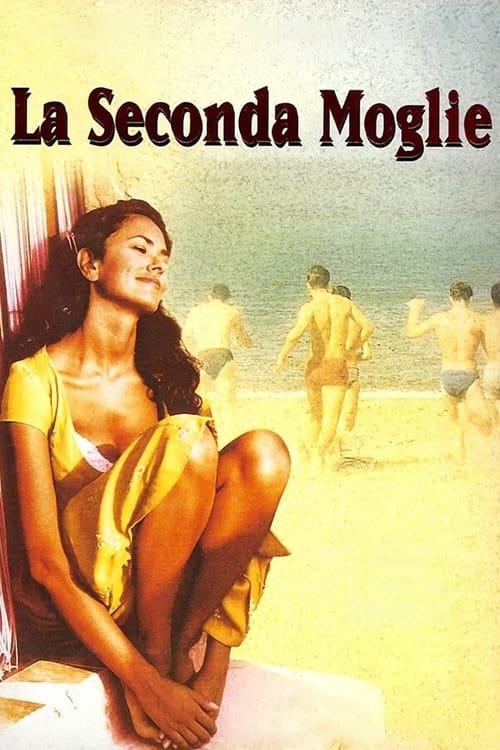
The Second Wife
1998
No user ratings available yet
Representation score: 3.6 out of 10
Representation Score
Minimal
1976
Director
Edoardo Mulargia
Runtime
88 minutes
Average Rating
No ratings yetNew Showbiz Analysis
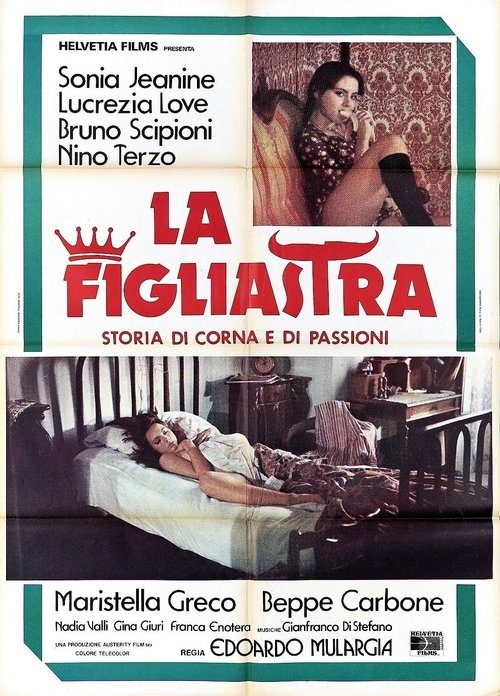
La figliastra is a period comedy that adheres strictly to the social and gender hierarchies of 1970s Mediterranean cinema. The narrative is driven by patriarchal concerns, particularly the male protagonist's need to prove his virility to secure an inheritance. While the film offers a specific Sicilian cultural setting, it does so through a lens of tradition rather than subversion. Female characters' roles are largely defined by their relationships with the male lead and their ability to produce heirs. Ultimately, the film upholds established social structures and reproductive clichés, lacking diverse or storytelling that reflects multiple aspects of identity.
Category Breakdown
The film does not include any LGBTQ+ characters or non-cisgender identities. The story revolves around traditional marriage and biological family lines.
Gender roles in the film support traditional hierarchies. Masculinity is linked to virility and economic success, while female characters are defined by their potential to bear children.
The setting is a homogeneous Mediterranean society in Sicily. There is no indication of racial diversity or non-white majority casting.
The narrative centers on conservative Mediterranean social values. It emphasizes the preservation of family wealth and traditional patriarchal roles over social critique.
There are no visible or invisible disabilities mentioned in the character arcs or central plot.
Present on Screen
Limited or Absent
Official Synopsis
A long time ago in Sicilia, there was a common, unwritten law that linked the hereditary rights to unequivocal demonstrations of virility. Because of that traditional law, a middle-age widower whose wife died without begetting him a child, is about to lose an inheritance of a large sum of money. The man marries again, with Nadia, an attractive woman with a daughter from her first marriage, Daniela. But time passes, and Nadia is not getting pregnant, either. Eventually, his beautiful stepdaughter will help him solve his problem.
1998

1952

1972
1961

1975

1976

1974
1998
No reviews yet. Be the first to share your thoughts on this movie!
Use the rating form above to leave a star rating and optional review.