
1871
1990
No user ratings available yet
Representation score: 6.0 out of 10
Representation Score
Fair
1907
Director
Étienne Arnaud
Runtime
6 minutes
Average Rating
No ratings yetNew Showbiz Analysis
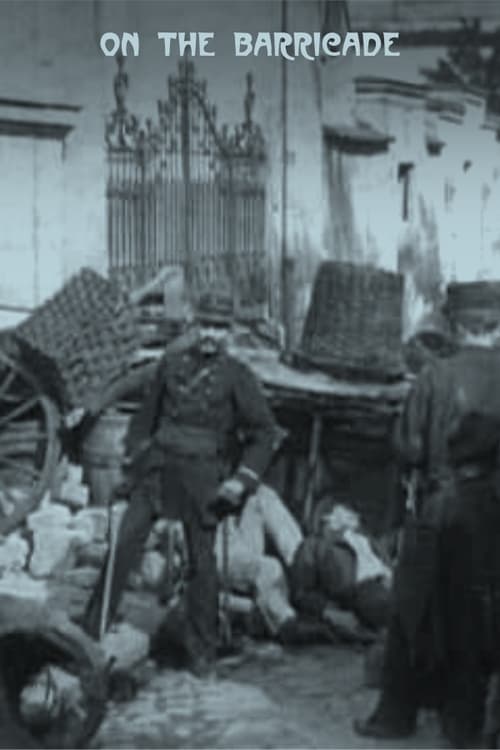
On the Barricade stands out as a significant historical artifact due to the pioneering presence of Alice Guy-Blaché. Her role as a female director in 1907 offers a rare instance of early female creative ability to act in a male-dominated industry. While the film lacks representation of LGBTQ+ identities or racial diversity, it excels in exploring the complexities of civil unrest and the questioning of centralized power through the lens of the Paris Commune. Ultimately, the work reflects the social constraints of its era, focusing on socio-political conflict and revolutionary upheaval.
Category Breakdown
The film does not provide any evidence of LGBTQ+ identities or same-sex relationships. The focus is on the socio-political events of the Paris Commune rather than queer identity.
Alice Guy-Blaché’s role as director challenges the early cinematic patriarchal structures of the 1907 film industry. Her creative contributions disrupt traditional gender hierarchies.
The film focuses on a domestic French struggle during the Paris Commune. There is no evidence of diverse casting or non-Anglo-Saxon majority elements in the records.
The film explores systemic friction through the lens of the Paris Commune. It centers on revolutionary struggle and the disruption of established Western institutions and state authority.
There is no specific evidence suggesting the inclusion or depiction of characters with physical or neurodivergent disabilities.
Present on Screen
Limited or Absent
Official Synopsis
During the Paris Commune, a boy runs across trouble at the barricade. The film is now attributed to Alice Guy-Blaché by the Gaumont company, although there is some debate about whether it was directed by Étienne Arnaud.
1990
1928
1897
1921
1929

1921
1936

2010
No reviews yet. Be the first to share your thoughts on this movie!
Use the rating form above to leave a star rating and optional review.