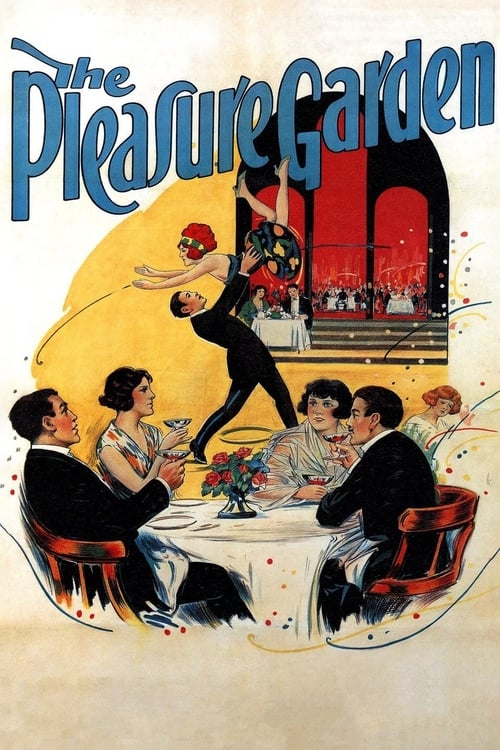
The Pleasure Garden
1925
No user ratings available yet
Representation score: 1.2 out of 10

Representation Score
Limited
1926
NRDirector
William A. Wellman
Runtime
71 minutes
Average Rating
No ratings yetNew Showbiz Analysis
This 1926 drama is a product of its time, relying heavily on traditional storytelling clichés. While it introduces ethnic diversity through its Russian troupe, the narrative remains anchored in the social hierarchies of the silent film era. The film's focus on a romantic triangle between a female star and two men reinforces conventional gender roles and heterosexual norms. Female characters have limited ability to act outside of their professional roles, often positioned as subjects to be rescued or emotionally manipulated. Ultimately, the work functions as a standard melodrama, lacking significant representation of LGBTQ+ identities or disability, and focusing instead on class distinctions and conventional romantic pursuits.
Category Breakdown
The story focuses on a typical love triangle involving heterosexual couples. There are no representations of non-binary genders or same-sex relationships.
Vera is a professional performer, but she remains primarily an object of male pursuit. The plot relies heavily on clichéd damsel-in-distress scenarios and male-driven emotional conflicts.
A Russian vaudeville troupe adds ethnic variety to the setting. However, the performers have limited depth and play minor roles in the narrative.
The film follows a standard Western melodrama structure. It reinforces traditional social dynamics without challenging Western institutions or religious norms.
There are no depictions of physical, sensory, or neurodivergent disabilities within the narrative.
Present on Screen
Limited or Absent
Official Synopsis
On her way to the theater, Vera, star of a Russian vaudeville troupe, is rescued from a falling girder by Eugene Foster, a wealthy broker who persists in his efforts to win the girl. Foster engages the troupe to perform at his home, and Vera, stunned by a fall, awakens to find Foster pleading his love, while Norodin, her partner who loves her, sees them embrace. Norodin, who performs an underwater stunt, asks Vera not to be present for his act and causes her to believe him dead; heartbroken, Vera tells Foster of her mistake; and enraged, he attempts to seize her. The magician appears, pins Foster to the wall with knives, and advises him to leave before the last blade is thrown.
1925
1928
1928
1956
1929
1927
1930

1924
No reviews yet. Be the first to share your thoughts on this movie!
Use the rating form above to leave a star rating and optional review.