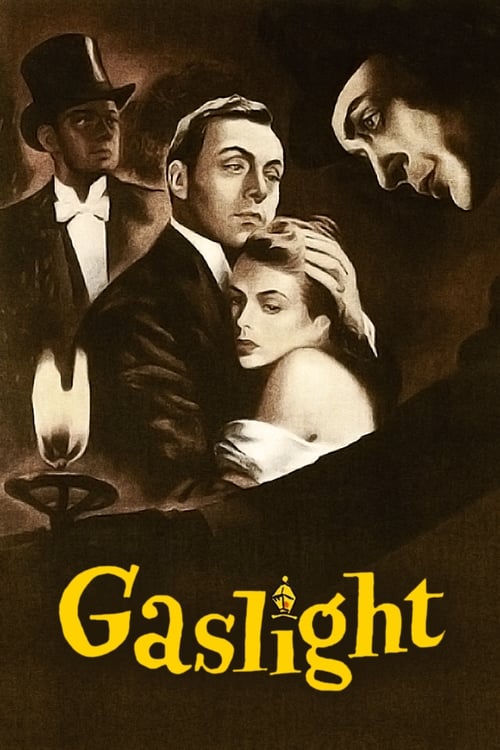
Gaslight
1944
No user ratings available yet
Representation score: 3.3 out of 10
Representation Score
Minimal
1951
NRDirector
Tay Garnett
Runtime
74 minutes
Average Rating
No ratings yetNew Showbiz Analysis
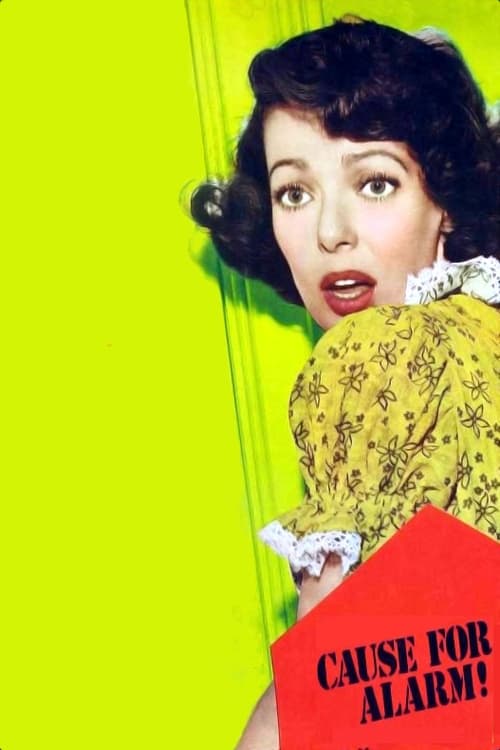
Cause for Alarm! is a quintessential mid-century noir that adheres strictly to the traditional narrative structures of 1951. The film emphasizes themes of paranoia and domestic suspicion, reinforcing the period's standard socio-cultural norms without challenging them. The narrative is driven by a single, isolated viewpoint that offers limited space for exploring multiple aspects of identity. Since the creative team does not demonstrate a history of subverting cultural norms, the film remains a typical example of genre cinema. Ultimately, the work upholds traditionalist values. It lacks intentionality regarding progressive social frameworks, resulting in a production aligned with the Anglo-centric urban noir aesthetics of its time.
Category Breakdown
The film follows the heterosexual norms typical of 1950s cinema. There is no indication of diverse gender identities or same-sex relationships.
Gender roles are based on traditional mid-century stereotypes. While the story revolves around a woman's perceived influence, it is framed through suspicion rather than challenging patriarchal structures.
The film features a predominantly homogeneous cast reflecting the era's limited demographic range. There is no significant representation of non-white characters or protagonists.
The film adheres to a conventional moral framework. It focuses on individual crime and personal survival without offering anti-Western or anti-capitalist critiques.
The protagonist's bedridden condition serves mainly as a narrative device to increase paranoia. The portrayal lacks the complexity found in modern depictions of chronic illness.
Present on Screen
Limited or Absent
Official Synopsis
A bedridden and gravely ill man believes his wife and doctor are conspiring to kill him, and outlines his suspicions in a letter.
1944
1940
1950
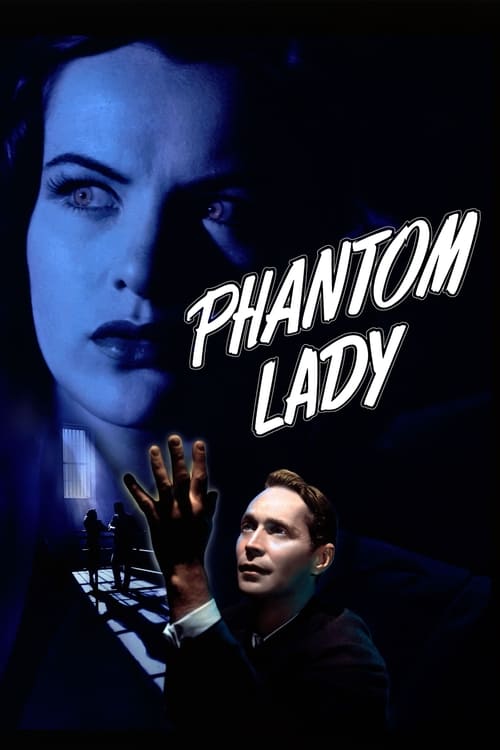
1944
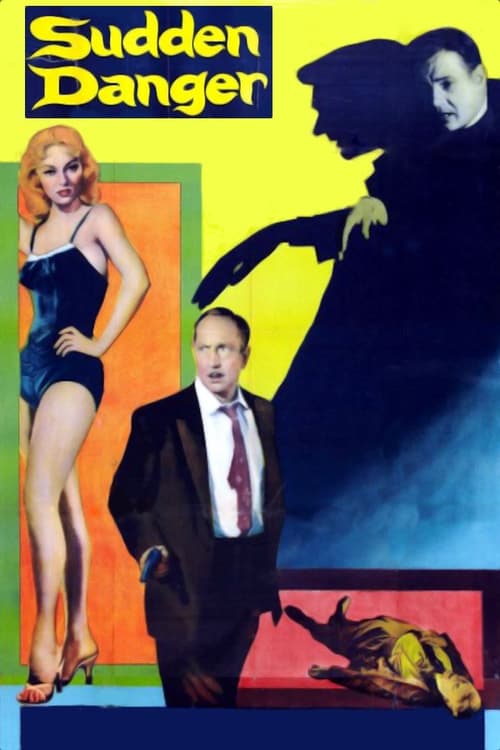
1955

1940
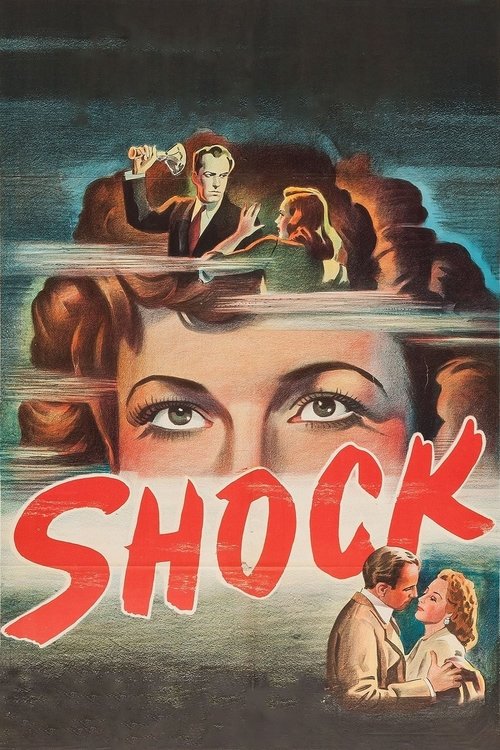
1946
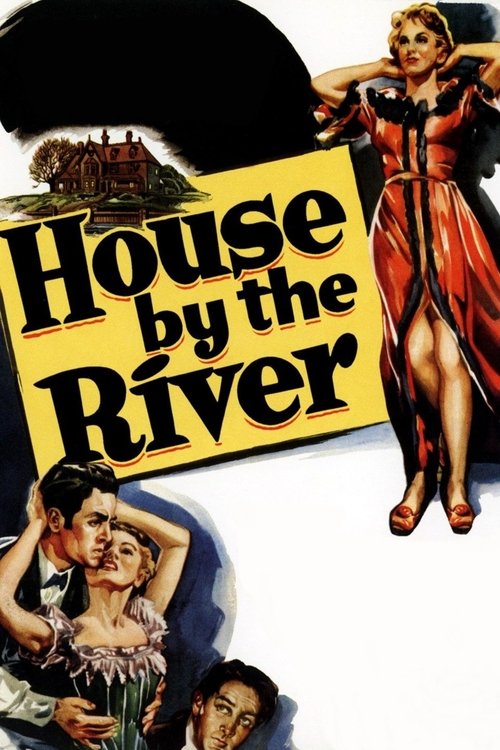
1950
No reviews yet. Be the first to share your thoughts on this movie!
Use the rating form above to leave a star rating and optional review.