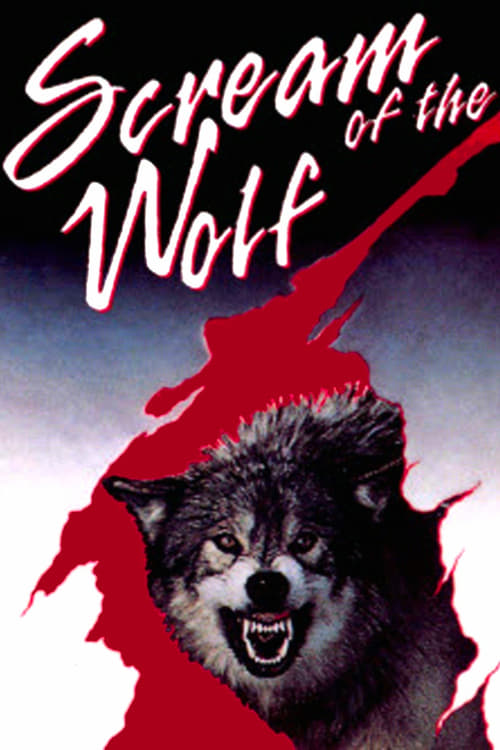
Scream of the Wolf
1974
No user ratings available yet
Representation score: 2.9 out of 10
Representation Score
Minimal
1972
Not RatedDirector
Daniel Petrie
Runtime
75 minutes
Average Rating
No ratings yetNew Showbiz Analysis
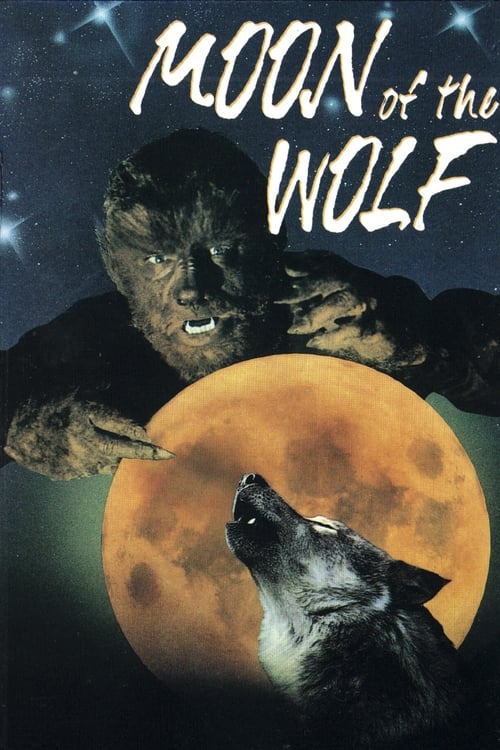
Moon of the Wolf is a traditional genre film set in the socio-cultural context of 1972. While it avoids progressive breadth, it offers a nuanced look at gender through its central female protagonist. The film's strength lies in its thematic critique of superstition and mob violence. However, the production is limited by a lack of demographic diversity. The casting is largely homogeneous, and there is no representation of LGBTQ+ individuals or characters with disabilities. The film remains a product of its era, adhering to established genre conventions.
Category Breakdown
The film does not include any characters or themes related to LGBTQ+ identities. The social structures shown are strictly conventional for the time period.
The story focuses on a female protagonist who is given complexity and ability to act. However, she is also scrutinized by patriarchal authority figures.
The casting is primarily homogeneous, reflecting the rural setting's demographics. There is no significant racial or ethnic diversity in the cast.
The story explores the tension between rational thinking and religious superstition. It criticizes mob mentality and the dangers of communal vigilante actions within traditional village settings.
There are no characters with visible or invisible disabilities used as central narrative drivers or portrayed with specific ability to act.
Present on Screen
Limited or Absent
Official Synopsis
After several locals are viciously murdered, a Louisiana sheriff starts to suspect he may be dealing with a werewolf.
1974
1972

1974
1981
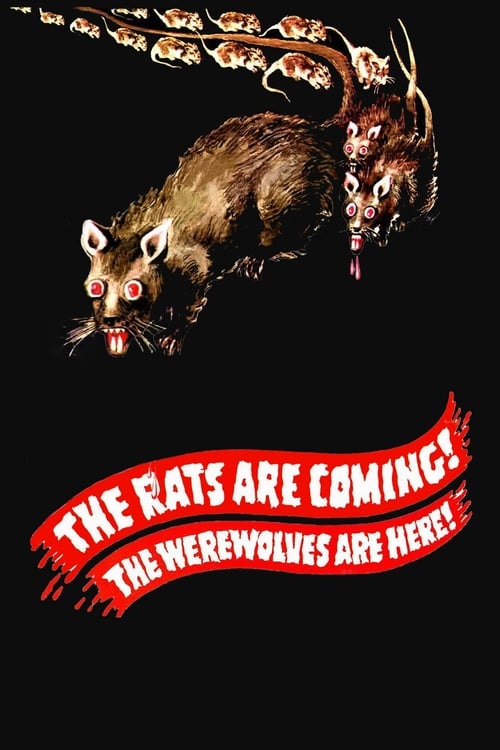
1972
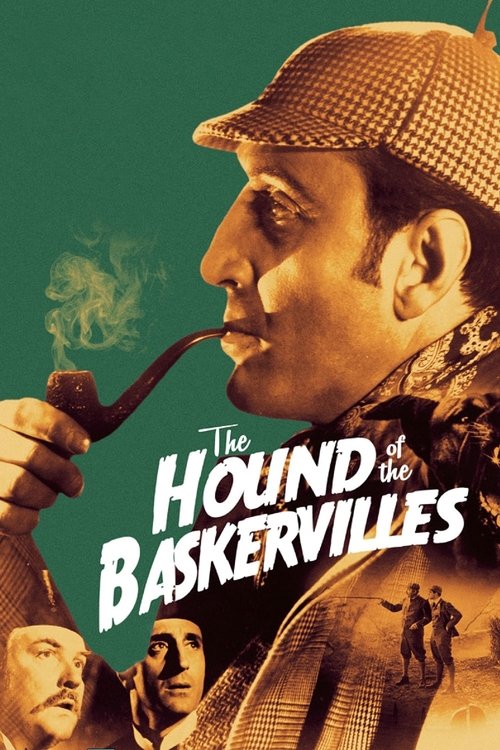
1939
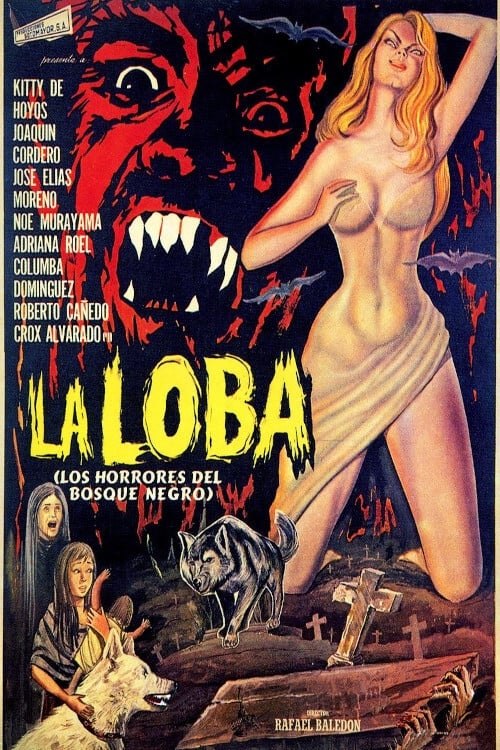
1965
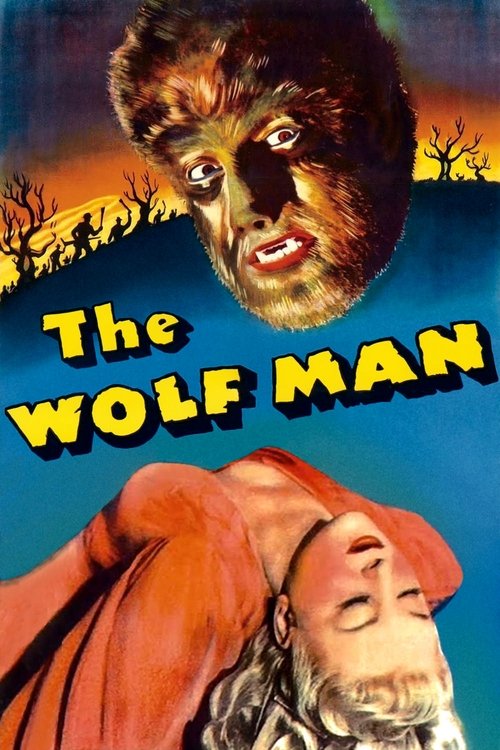
1941
No reviews yet. Be the first to share your thoughts on this movie!
Use the rating form above to leave a star rating and optional review.