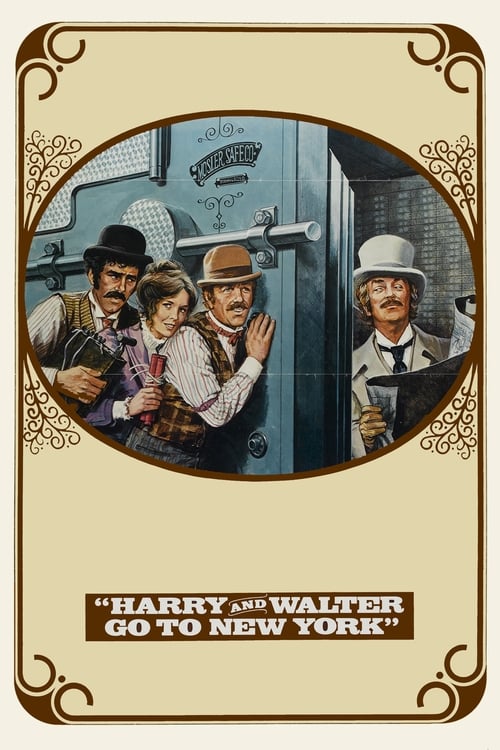
Harry and Walter Go to New York
1976
No user ratings available yet
Representation score: 3.3 out of 10
Representation Score
Limited
1972
Director
Jay Sandrich
Runtime
74 minutes
Average Rating
No ratings yetNew Showbiz Analysis
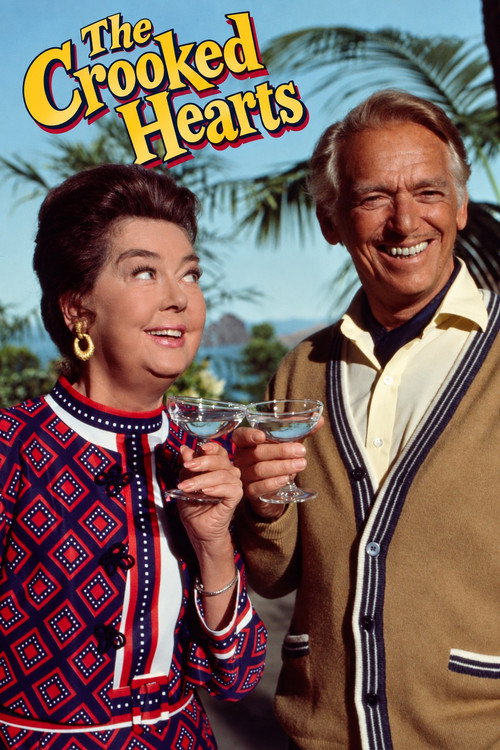
The film serves as a psychological character study rather than a platform for broad representation. It challenges mid-century gender roles by focusing on a protagonist driven by survival and manipulation, rather than domesticity. However, the film is limited by the era's lack of inclusivity. The predominantly white cast and the absence of LGBTQ+ identities restrict its social relevance. Ultimately, the film's strength lies in its cynical deconstruction of social norms. It emphasizes individual impulse and moral ambiguity over the reinforcement of traditional societal stability.
Category Breakdown
The film does not depict any LGBTQ+ identities or non-cisgender gender expressions. Relationships and dynamics stay within the confines of heterosexual norms.
The story focuses on a widow who uses deception and strategic actions to navigate her economic situation. This disrupts traditional power structures, although male-dominated dynamics complicate her efforts.
The cast is predominantly white and homogeneous. There is a noticeable absence of racial or ethnic diversity among the main characters.
The film presents a world driven by flawed human behavior and moral relativism. It deconstructs the idealized stability of the nuclear family and traditional social norms.
There are no prominent depictions of physical or cognitive disabilities. Such elements do not play a central role in the characterizations.
Present on Screen
Limited or Absent
Official Synopsis
A charming but somewhat larcenous widow attempts to snare a rich bachelor through a lonely hearts club, but her scheme boomerangs into a deadly cat-and-mouse game. This marked the TV-movie debut of both Rosalind Russell and Douglas Fairbanks Jr., and was sadly also Russell's last film role.
1976

1972
1956
1947
1960
1976
1934

1970
No reviews yet. Be the first to share your thoughts on this movie!
Use the rating form above to leave a star rating and optional review.