
Let's Not Get Angry
1966
No user ratings available yet
Representation score: 1.9 out of 10
Representation Score
Fair
1960
Director
François Villiers
Runtime
75 minutes
Average Rating
No ratings yetNew Showbiz Analysis
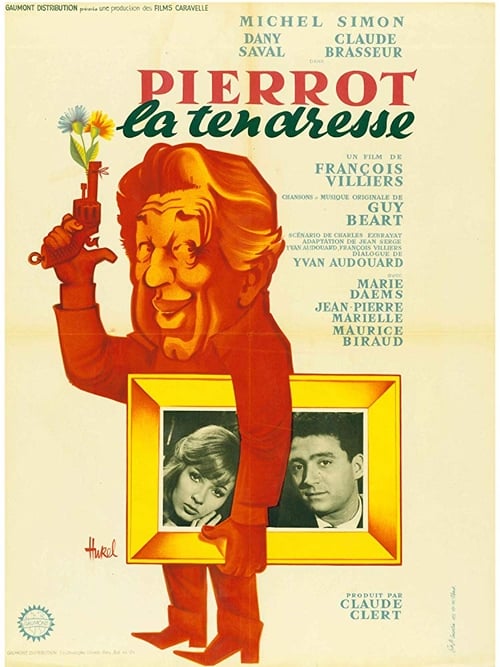
Pierrot la tendresse succeeds in breaking down the hardened criminal stereotype by focusing on a gentle, elderly protagonist. This approach adds emotional depth that diverges from conventional crime genre conventions. However, the film remains confined by the social norms of 1960s French cinema. It lacks diverse racial representation and features a female character who primarily serves as a catalyst for the male leads. Overall, the film is a transitional work. It emphasizes character-driven moral relativism over broader multi-layered themes, offering a nuanced perspective on masculinity while staying within traditional demographic boundaries.
Category Breakdown
The film does not explicitly depict LGBTQ+ identities. The story focuses on a heterosexual relationship between the young criminal and his female accomplice.
Pierrot challenges traditional masculine stereotypes by showing tenderness instead of aggression. However, the female character mainly serves as a plot device for the male leads and lacks significant independence.
The production adheres to the typical demographics of mid-1960s European cinema. There is no indication of a multi-ethnic cast or the subversion of traditional demographic norms.
The story delves into subjective morality and situational ethics, avoiding a simple good-versus-evil dichotomy. It presents a nuanced view of social reintegration and character development.
There are no visible or invisible disabilities portrayed as central to the character arcs in this narrative.
Present on Screen
Limited or Absent
Official Synopsis
In this crime drama, Michel Simon is cast as Pierrot, an elderly gangster who does not fit the stereotype -- he is soft-hearted. After a petty criminal betrays his cohorts by taking off with the loot from a big robbery, he is caught and sent to jail. Now he has served his time, and Pierrot is given the task of retrieving the stolen cash. The tyro criminal tries to use a pretty young woman who has fallen in love with him as a red herring for Pierrot's investigation. Everything backfires though, and Pierrot is left considering what to do with the loot, and with the criminal who does not yet realize he loves his attractive accomplice and could have a good life with her if he opts for walking the straight and narrow.
1966

1963
1954

1971
1976

1972
1966
1966
No reviews yet. Be the first to share your thoughts on this movie!
Use the rating form above to leave a star rating and optional review.