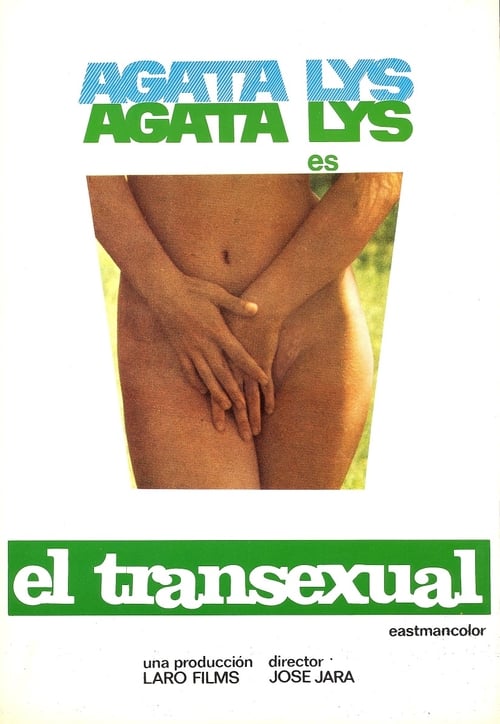
The Transsexual
1977
No user ratings available yet
Representation score: 4.7 out of 10
Representation Score
Excellent
1978
Not RatedDirector
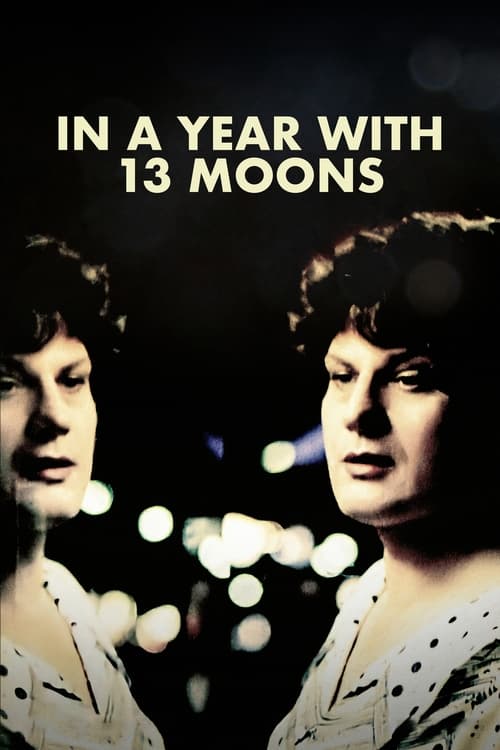
Rainer Werner Fassbinder
Runtime
124 minutes
Average Rating
No ratings yetNew Showbiz Analysis
Fassbinder’s work excels at deconstructing identity and power dynamics. By centering a trans narrative, the film goes beyond simple inclusion to explore the performative nature of gender and desire. The film's strength lies in its profound engagement with queer theory and the subversion of gender hierarchies. It presents identity as a turbulent, ongoing performance rather than a fixed state. However, the film lacks racial diversity, remaining rooted in a predominantly Eurocentric cast. While the stylized aesthetic downplays ethnic markers, it does not offer meaningful representation for diverse racial groups.
Category Breakdown
The film centers on Elvira Weishaupt, who transitions for love. It explores non-traditional gender identities and the fluidity of desire through stylized, theatrical scenes.
Gender is shown as a social construct and a place where power is negotiated. The protagonist's journey from a working-class butcher to a transgender woman challenges traditional ideas of masculinity and femininity.
The setting and cast are predominantly Eurocentric, reflecting a specific theatrical troupe. The film lacks significant racial or ethnic diversity within its stylized, Brechtian aesthetic.
The narrative criticizes bourgeois social structures and traditional decorum as performative masks. It prioritizes individual, fragmented truths over the stability of Western social institutions like the family unit.
The story examines bodily autonomy and the psychological impact of physical transformation. It focuses on the complex actions involved in navigating non-standard physicalities and achieving personal fulfillment.
Present on Screen
Limited or Absent
Official Synopsis
Elvira Weishaupt, once a burly working-class butcher, has made an enormous sacrifice for love. She has undergone a sex change for a romantic interest who has abandoned her, and she now must struggle to reconcile her past life with her present identity.
1977
1997
1993

1972
1970

2001
1972

2005
No reviews yet. Be the first to share your thoughts on this movie!
Use the rating form above to leave a star rating and optional review.