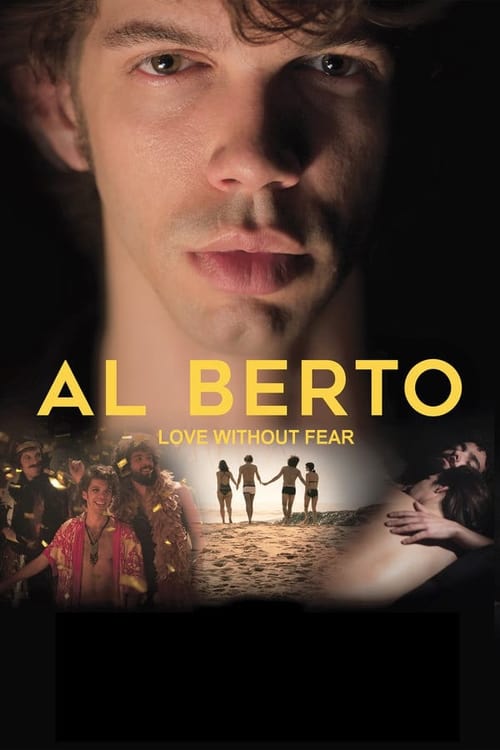
Al Berto
2017
No user ratings available yet
Representation score: 6.4 out of 10

Representation Score
Excellent
2019
UnratedDirector
Andrea Adriatico
Runtime
112 minutes
Average Rating
No ratings yetNew Showbiz Analysis
Bitter Years serves as a significant act of historical reclamation. By focusing on Mario Mieli, a key figure in queer liberation, the film moves beyond simple inclusion to explore the radical tensions between identity politics and the status quo. The film excels at depicting the complexities of 1970s Italy, particularly how radical movements conflicted with established religious and state moralities. It uses Mieli's life to challenge traditional gender hierarchies and straight-centered constraints. While the film is deeply committed to critiquing traditional Western institutions and challenging societal norms, its focus on a specific European context limits racial and ethnic diversity, providing a concentrated view of localized identity struggles.
Category Breakdown
The film centers on the life of queer icon Mario Mieli, positioning non-straight identity as the main driver of the historical and personal narrative arc.
The story explores Mieli’s theories on gender transgression and the rejection of binary roles. It deconstructs traditional masculinity by showcasing characters who exist outside conventional patriarchal structures.
The film focuses on a specific European socio-political environment in 1970s Italy. This localized perspective results in a lack of significant racial diversity within the primary cast.
The narrative highlights the tension between radical individual identity and traditional Western institutions like the Church. It critiques oppressive social norms in favor of bodily autonomy.
The film examines the intense psychological pressures and social isolation experienced by Mieli. However, specific details about physical or neurodivergent disabilities are not clearly addressed.
Present on Screen
Limited or Absent
Official Synopsis
A drama film based on the life of Mario Mieli, a leading figure in the Italian gay movement of the 1970s.
2017
2022
2018

2019

2014
1984
2019

2000
No reviews yet. Be the first to share your thoughts on this movie!
Use the rating form above to leave a star rating and optional review.