
Blackbird
2014
No user ratings available yet
Representation score: 9.0 out of 10
Representation Score
Fair
2017
Not RatedDirector
Kerstin Karlhuber
Runtime
90 minutes
Average Rating
No ratings yetNew Showbiz Analysis
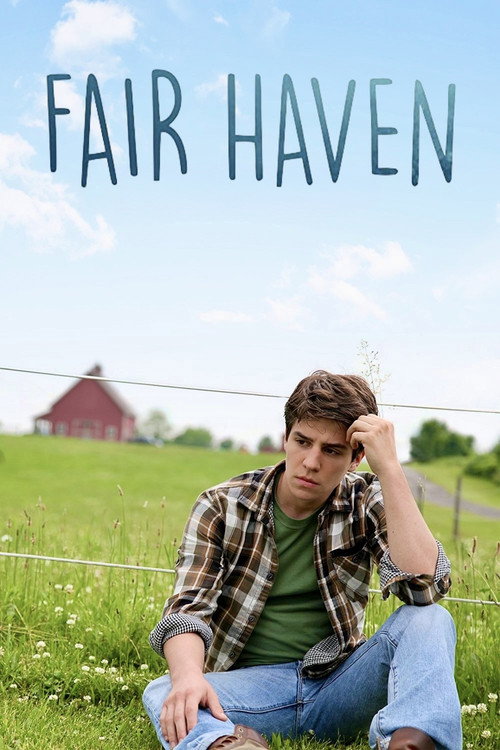
Fair Haven offers a poignant exploration of identity, particularly focusing on the trauma of conversion therapy and the quest for queer authenticity. By centering James's journey, the film effectively challenges assumptions about conformity and systemic pressures. However, the film's focus is heavily gendered. While it critiques patriarchal norms, the narrative remains centered on male dynamics and traditional masculine conflicts, creating a somewhat narrow lens through which gendered expectations are examined. Ultimately, the film succeeds as a critique of social institutions. It uses the tension between agrarian tradition and artistic identity to challenge conventional depictions of family and religious conformity.
Category Breakdown
The film focuses on a queer protagonist dealing with the aftermath of conversion therapy. It highlights the tension between authentic identity and forced assimilation through the character of Charlie, emphasizing the importance of genuine connections.
The story examines strict masculine hierarchies and traditional expectations. Although it critiques these roles through the father-son conflict, the narrative ability to act remains primarily centered around male characters.
There is no explicit information regarding the racial or ethnic composition of the cast. Consequently, no assessment of racial diversity can be made.
The narrative critiques traditional Western institutions by exploring the intersection of religious-based conversion therapy and family units. It dismantles the idealized image of the wholesome rural family.
The film provides no information regarding characters with visible or invisible disabilities. No assessment is possible based on the available details.
Present on Screen
Limited or Absent
Official Synopsis
After a long stint in gay conversion therapy, James, a young piano prodigy, returns home to his family farm and his emotionally-distant father, Richard. After Richard pressures James to give up his music career and take over the farm, James agrees as a way to make up for his past. Soon, however, James finds himself face-to-face with a former lover, Charlie, who wants to help him turn away from his new beliefs and family expectations and follow his dreams of studying music.
2014

2010

2015
2016
2019
2013

2016
2012
No reviews yet. Be the first to share your thoughts on this movie!
Use the rating form above to leave a star rating and optional review.