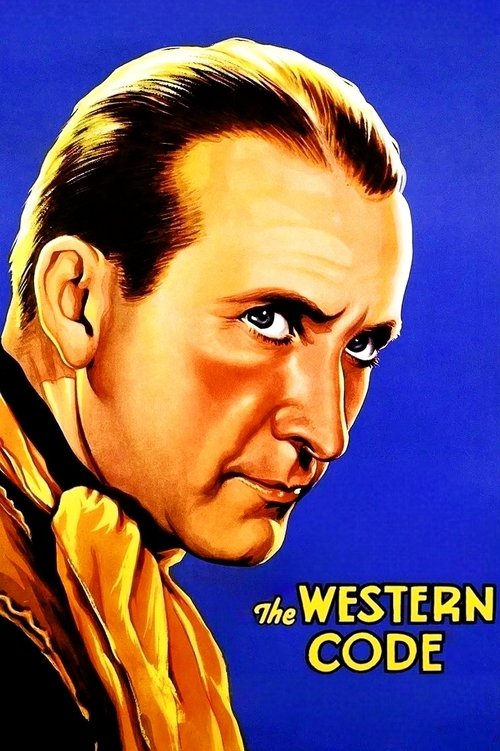
The Western Code
1932
No user ratings available yet
Diversity score: 2.9 out of 10
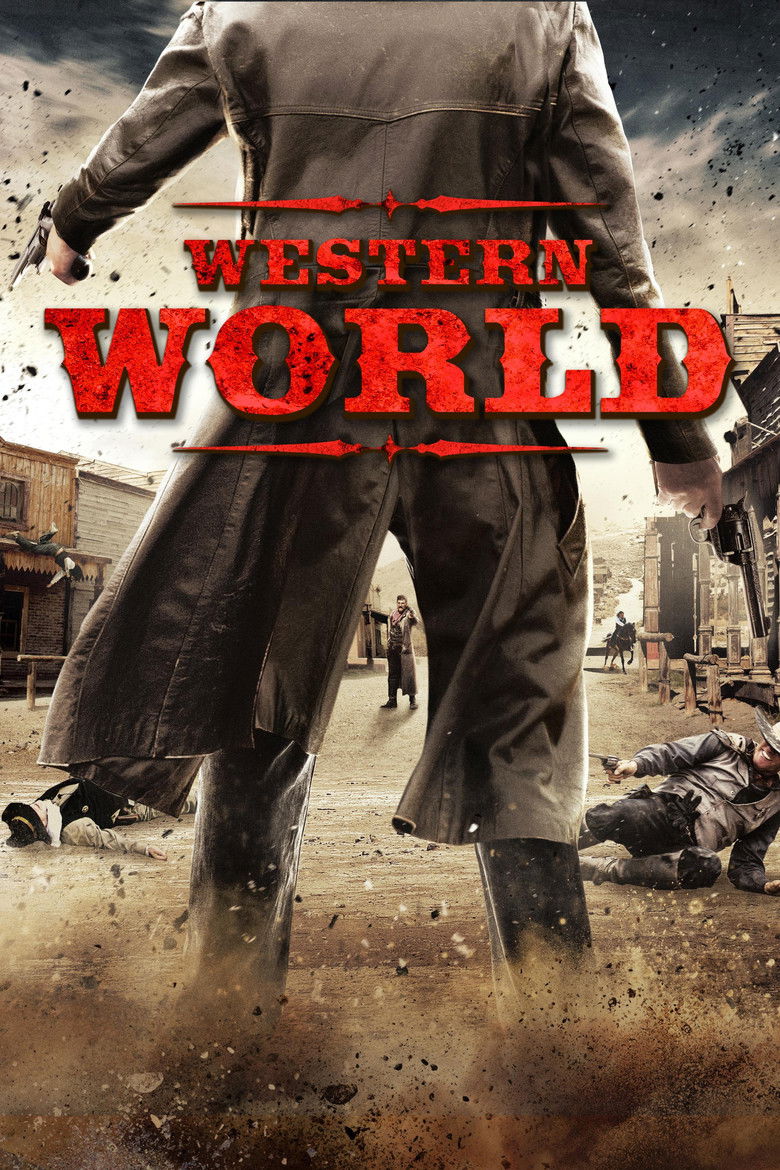
2017
NRDirector
Lana Read
Runtime
79 minutes
Average Rating
No ratings yetSynopsis
When US Marshal Moses White is called to the Wyoming Territory town of Dogwood Pass he never realized the corruption and deceit that awaited his arrival. Sometimes one small seed of seduction and greed planted in the right situation can cause a whole town to go bad. One bad character leads to another and it all starts with a dead husband in a western town.
Overall Score
Limited
Category Breakdown
LGBTQ+ Representation
The film offers no evidence of non-heteronormative identities or same-sex intimacy. There is no indication of characters challenging heteronormative structures.
Gender Representation
The story centers on a male protagonist and a dead husband, suggesting a patriarchal framework. Female characters appear linked to tropes of seduction and greed.
Racial & Ethnic Diversity
The narrative focuses on a US Marshal within a Wyoming setting, leaning toward Anglo-Saxon centricity. There is no explicit detail regarding diverse characters with high agency.
Religious & Cultural Diversity
The plot explores moral decay and greed through a classical lens. It functions as a traditional morality play rather than a critique of Western institutions.
Disability Representation
There is no mention of characters navigating physical, neurodivergent, or mental health conditions. The narrative lacks representation of disability.
Strengths
Areas for Improvement
AI Analysis
Western World operates as a conventional genre piece, adhering to established Western tropes rather than subverting them. The narrative focuses on a male-led investigation into corruption, which reinforces traditional power structures and patriarchal frameworks. The film lacks meaningful representation of LGBTQ+ identities or disability. While the setting allows for diverse storytelling, the focus remains on a standard investigative trajectory centered on individual morality and greed. Ultimately, the work prioritizes classical themes of law versus lawlessness. It does not actively deconstruct Western hegemony or prioritize intersectional identities, resulting in a traditional, non-progressive viewing experience.
1932
1948
1957

1976
1944
1962
1949
1929
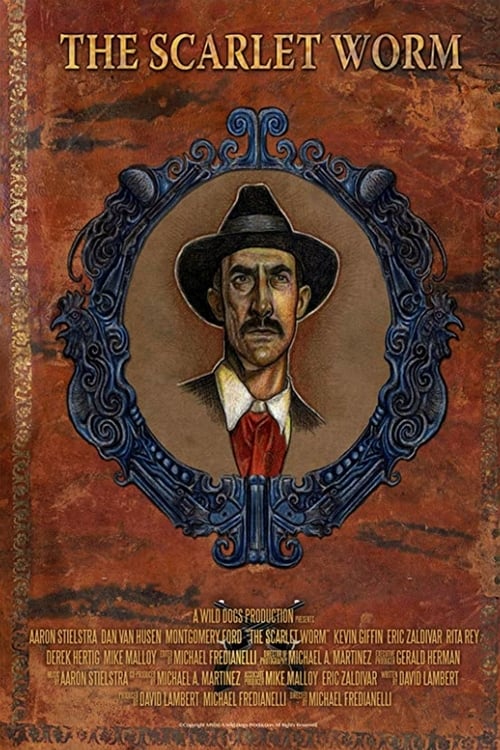
2011
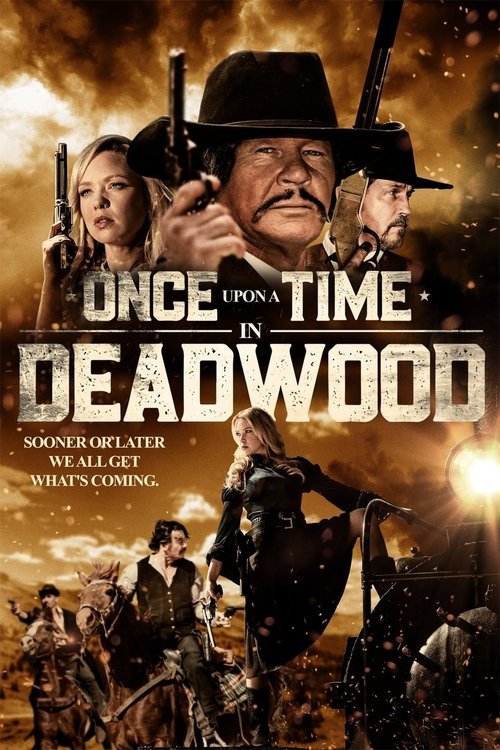
2019
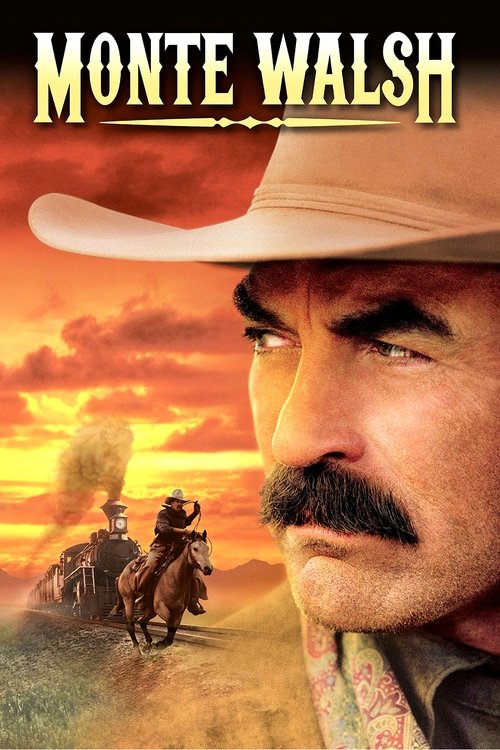
2003
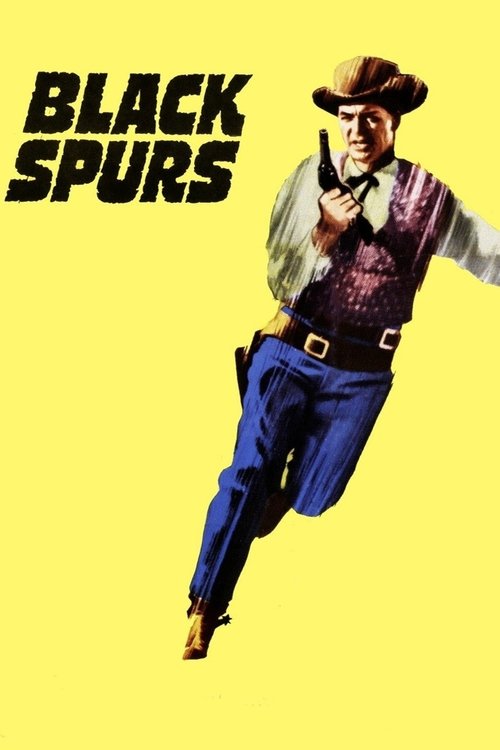
1965
No reviews yet. Be the first to share your thoughts on this movie!
Use the rating form above to leave a star rating and optional review.