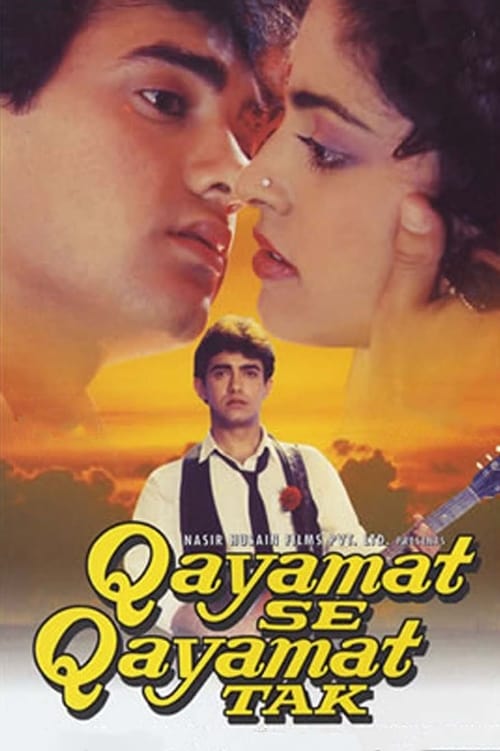
Qayamat Se Qayamat Tak
1988
No user ratings available yet
Representation score: 2.1 out of 10
Representation Score
Fair
1992
Not RatedDirector
S.A. Kader
Runtime
138 minutes
Average Rating
No ratings yetNew Showbiz Analysis
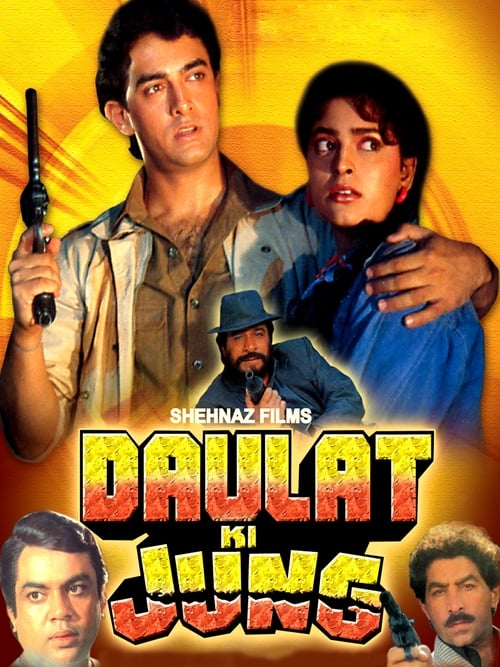
Daulat Ki Jung is a traditional melodrama that prioritizes individual romantic ability to act over systemic social interrogation. While it explores the friction between youth and rigid parental hierarchies, it stays within conventional narrative boundaries. The film offers a mild critique of how professional rivalry and material obsession can disrupt familial bonds. However, it lacks significant engagement with multi-layered identity politics or diverse social structures. Ultimately, the film functions as a classic romantic drama, using its characters to navigate established social clichés rather than challenging them.
Category Breakdown
The film follows a strictly heterosexual storyline between the two main characters. There are no LGBTQ+ narratives or non-binary gender identities present in the story.
Asha plays a central role through her decision to elope, disrupting patriarchal control. However, the plot remains largely driven by the male business rivalry.
The cast and setting are culturally specific to the Indian film industry. The representation is homogeneous within its domestic market context.
The story critiques how capitalist competition and wealth-seeking can damage human connections. It relies on traditional dramatic clichés rather than systemic deconstruction.
An injured man serves as a plot catalyst to test the protagonists' morality. He functions as a narrative device rather than a character with independent ability to act.
Present on Screen
Limited or Absent
Official Synopsis
Bhushan Chaudhry (Shafi Inamdar) and Mr. Agarwal (Tiku Talsania) are business rivals, and hate each other. Their children, Rajesh Chaudhry (Aamir Khan) and Asha Agarwal (Juhi Chawla) study in the same class in college, and are in love with each other. Both are terrified of what their parents will do when they find out about their romance. And when the parents do find out, all kinds of restrictions are placed on them. Unable to stay away from each other, they elope in a stolen car. On the way, they come across an injured man, and decide to take him to hospital. Little knowing that helping this stranger will not only change their lives forever, but also place their lives in danger.
1988

1989
1991
1988
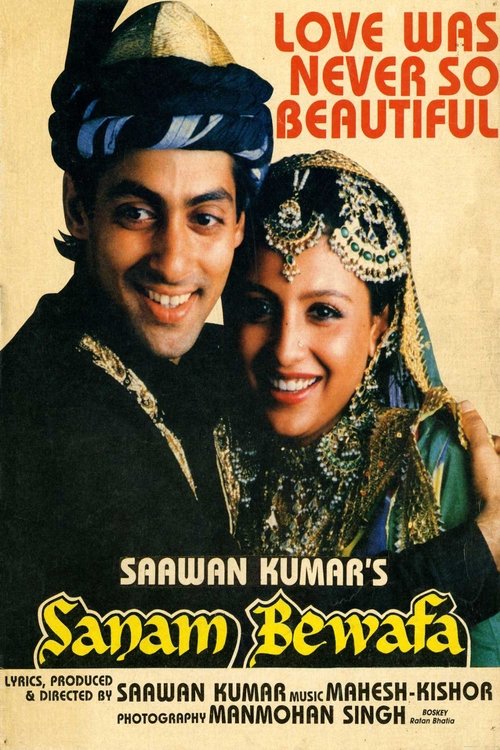
1991
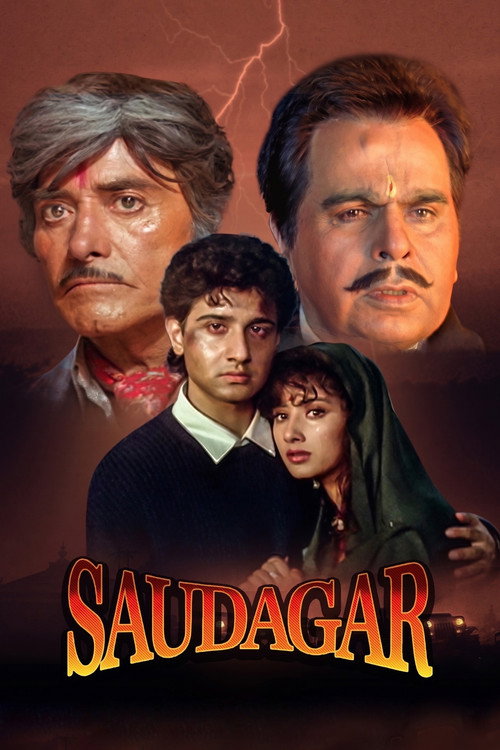
1991

1998
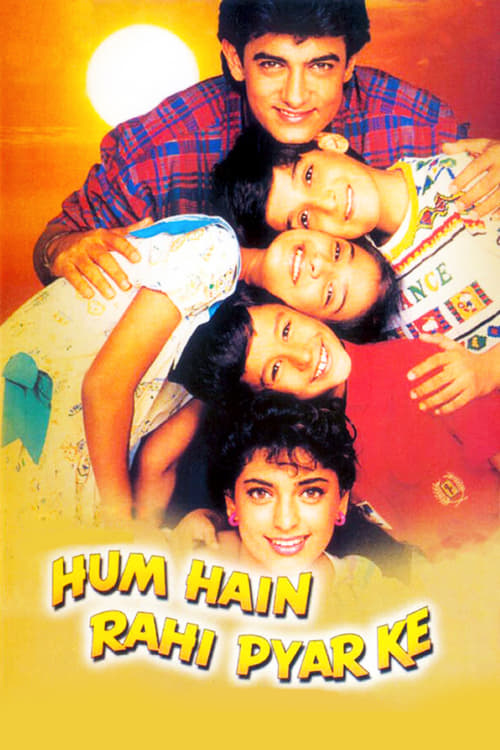
1993
No reviews yet. Be the first to share your thoughts on this movie!
Use the rating form above to leave a star rating and optional review.