
Ek Aur Ek Gyarah: By Hook or by Crook
2003
No user ratings available yet
Representation score: 1.6 out of 10

Representation Score
Limited
1980
Not RatedDirector
Rakesh Kumar
Runtime
154 minutes
Average Rating
No ratings yetNew Showbiz Analysis
The film stands out for its nuanced critique of socioeconomic structures and class struggle. However, it lacks multi-layered depth, focusing on traditional male-centric narratives and excluding LGBTQ+ identities and characters with disabilities. Its cultural authenticity and social commentary are strong, but its narrow focus limits its diversity profile.
Category Breakdown
The film follows traditional 1980s mainstream cinema by focusing on conventional family and brotherly bonds without showing LGBTQ+ identities or same-sex relationships.
The film centers on masculine camaraderie and brotherhood, where male characters have most of the ability to act. Female characters like Shabana Azmi provide emotional support but operate within traditional gender roles.
The film showcases a predominantly South Asian cast, offering culturally authentic representation embedded in their specific regional and ethnic contexts.
The film frames criminal acts as reactions to systemic economic issues, implicitly critiquing socioeconomic structures and the tension between outlaws and legal systems.
The film does not feature any prominent characters with visible or invisible disabilities that play a central role in the narrative.
Present on Screen
Limited or Absent
Official Synopsis
Two rival burglars end up at the same school with the intent of abducting a rich man's son for a large ransom.
2003
1972
2009
1977
1976
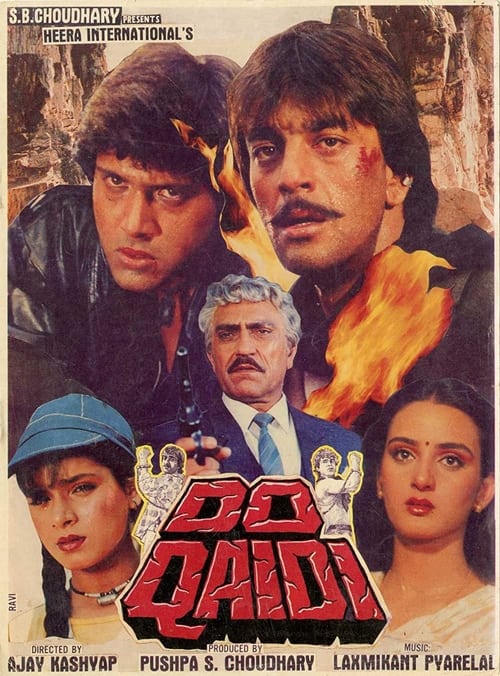
1989
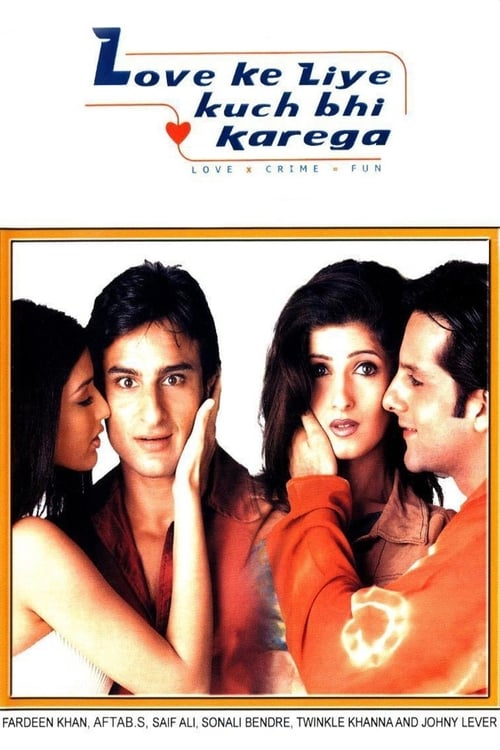
2001
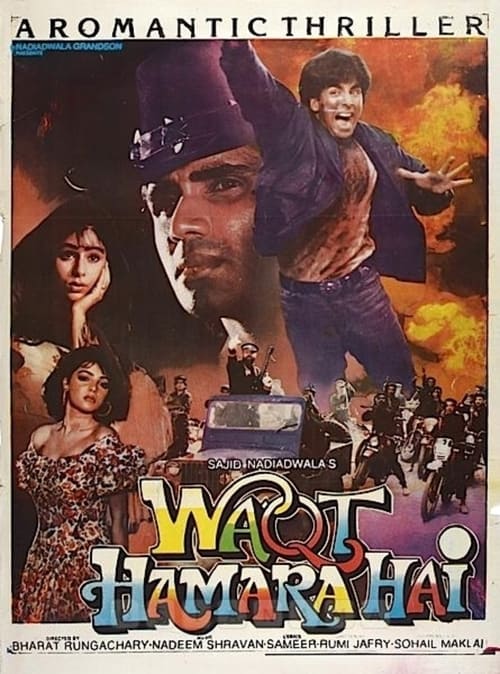
1993
No reviews yet. Be the first to share your thoughts on this movie!
Use the rating form above to leave a star rating and optional review.