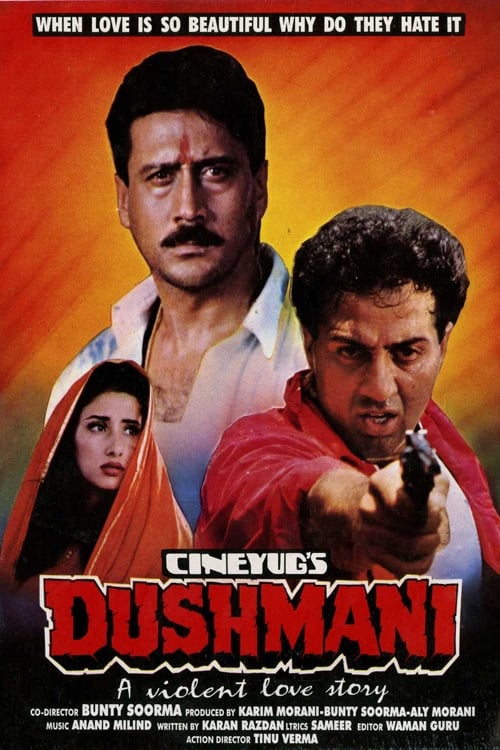
Dushmani: A Violent Love Story
1995
No user ratings available yet
Representation score: 2.0 out of 10
Representation Score
Minimal
1992
Not RatedDirector
David Dhawan
Runtime
167 minutes
Average Rating
No ratings yetNew Showbiz Analysis
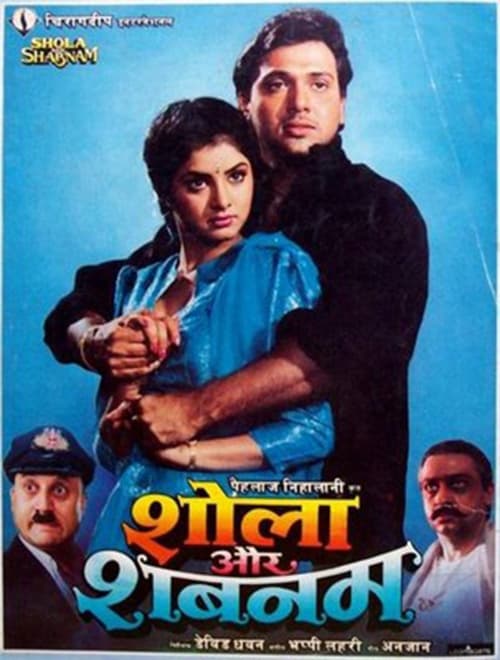
Shola Aur Shabnam serves as a stabilizer of traditional values, prioritizing mainstream comedic archetypes over progressive social commentary. It is a quintessential example of early 1990s masala cinema designed for escapism. The narrative relies on conventional gender hierarchies and straight-centered romantic structures. While it provides a culturally specific experience for its target demographic, it lacks the intentionality to challenge systemic social hierarchies. Ultimately, the film reinforces existing social structures rather than disrupting them. It uses established institutions like the police and family lineage to drive its plot tension.
Category Breakdown
The film follows strict conventions that assume everyone is straight or cisgender. The main conflict revolves around a traditional romantic relationship between a male protagonist and a female lead.
Gender dynamics follow early 1990s commercial clichés. While the female lead has ability to act in her romantic life, the narrative is largely driven by male pursuit and dominance.
The cast is primarily South Asian, reflecting the domestic market's demographics. It maintains a culturally homogeneous environment without actively challenging ethnic clichés.
The plot reinforces traditional social and familial institutions. Conflict arises from established hierarchies, such as the tension between family lineage and police authority.
There are no prominent characters with visible or invisible disabilities. The film does not use disability as a narrative device.
Present on Screen
Limited or Absent
Official Synopsis
The spoiled and arrogant brother, Bali, of notorious gangster, Kali Baba, enlists in the National Cadet Corps, and wants to have his way with his fellow-students and trainer, Inder Mohan Lahti, with comical results. When he meets Divya Thapa for the first time, he is smitten by her, and wants to marry her by hook or by crook. But Divya is in love with Karan, and both plan to marry each other. Circumstances act against them, and they flee together, with Kali Baba's men, and Divya's Police Commissioner dad, Yashpal Thapa, in hot pursuit, to an unknown destination, surrounded by a web of lies, deception, and no known resource to assist them.
1995
1999
2001
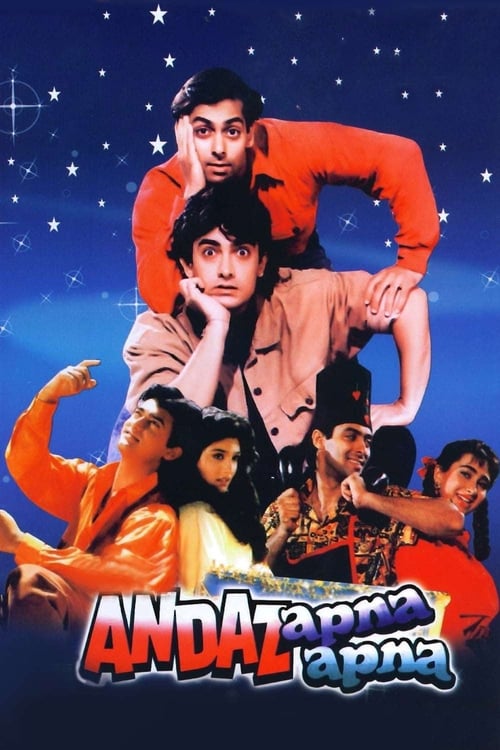
1994

2002
1993
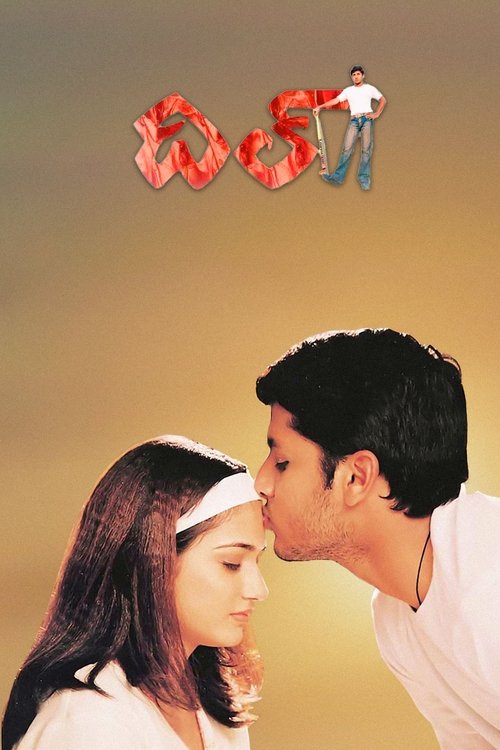
2003
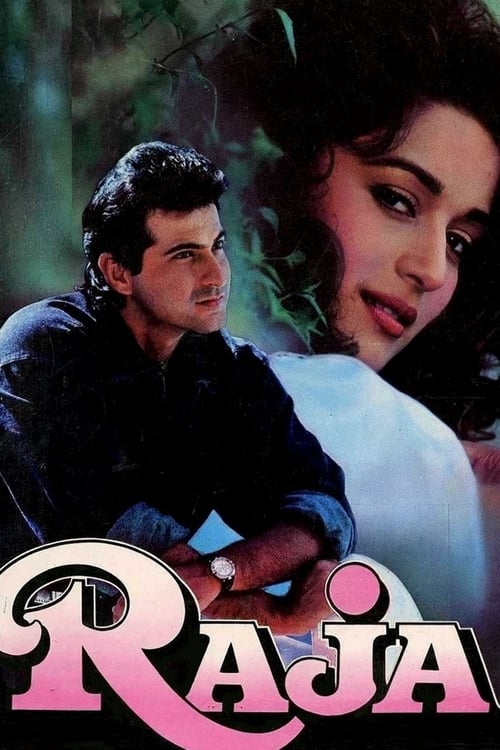
1995
No reviews yet. Be the first to share your thoughts on this movie!
Use the rating form above to leave a star rating and optional review.