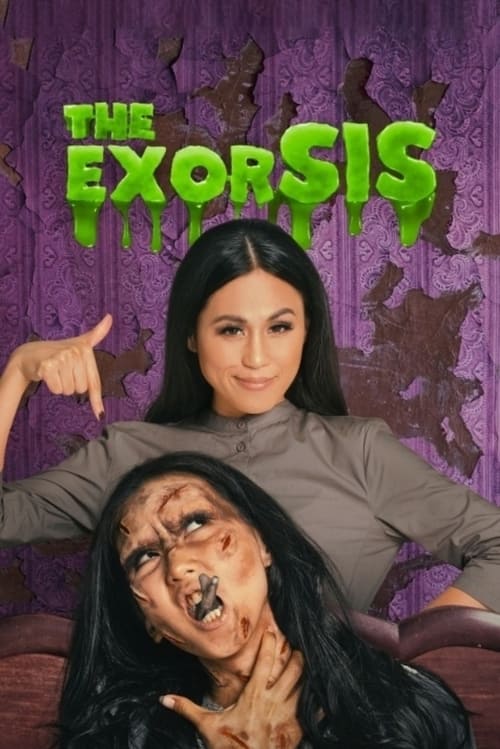
The ExorSIS
2021
No user ratings available yet
Representation score: 4.9 out of 10
Representation Score
Minimal
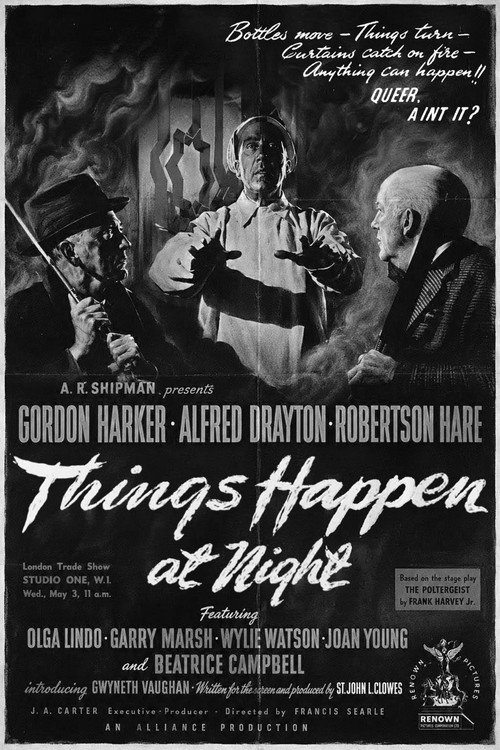
1948
Not RatedDirector
Francis Searle
Runtime
79 minutes
Average Rating
No ratings yetNew Showbiz Analysis
Things Happen at Night is a mid-century genre piece that adheres strictly to the conventional studio practices of 1948. The narrative follows standard horror and comedy formulas without attempting to challenge social hierarchies or introduce layered perspectives on diversity. The film's reliance on a possession plot limits the independence of its female protagonist, portraying her primarily as a vessel for supernatural forces rather than an independent driver of the story. This reflects the era's typical genre structures. Overall, the production lacks intentionality regarding diversity, functioning as a standard product of its time that upholds traditional moral and demographic norms.
Category Breakdown
The film centers on a supernatural possession plot involving a young girl and a demon. There is no representation of non-binary gender identities or stories challenging assumptions about straight relationships.
A young woman serves as the main character, offering a female-focused perspective. However, the possession storyline often relies on the loss of her independence to a supernatural force.
The cast likely mirrors the homogeneous demographics typical of 1948 British cinema. There is no indication of casting actors from diverse backgrounds or ethnicities.
The story employs horror and comedy clichés that align with mid-20th-century moral standards. The demon concept suggests a traditional battle between good and evil.
While possession can be seen as a metaphor for mental health issues, the film does not provide enough information to assess how these themes are addressed.
Present on Screen
Limited or Absent
Official Synopsis
A young girl finds herself possessed by the spirit of a mischievous demon.
2021
1948
1942
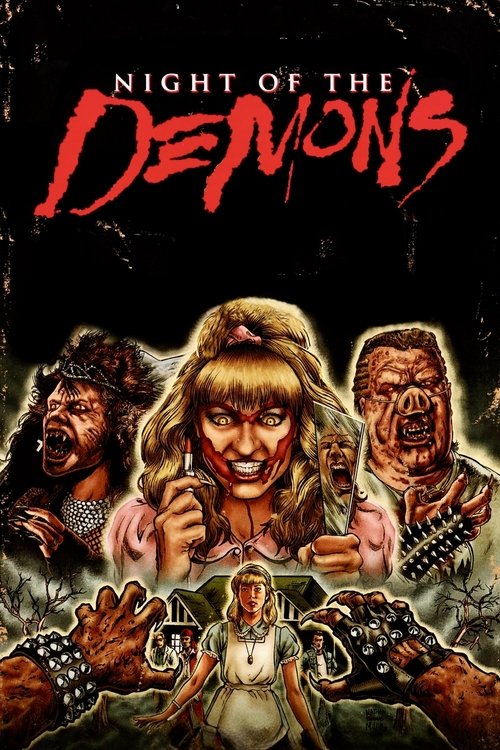
1988
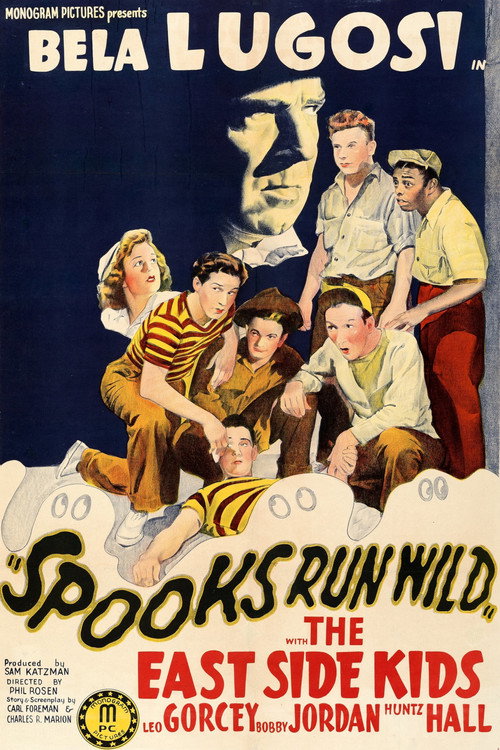
1941
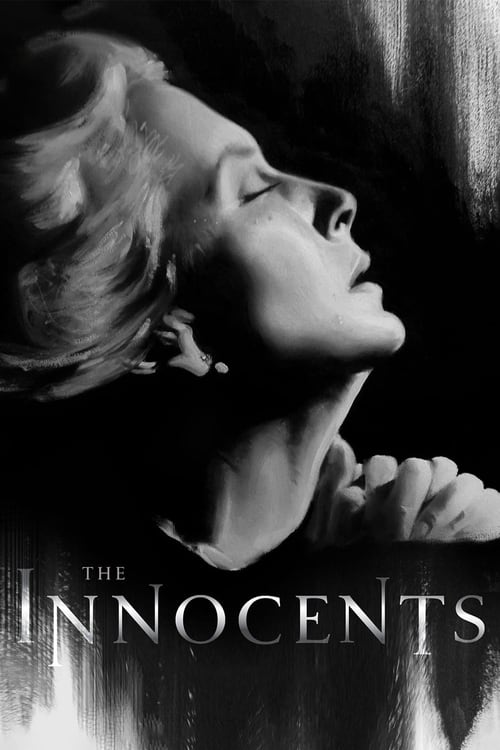
1961
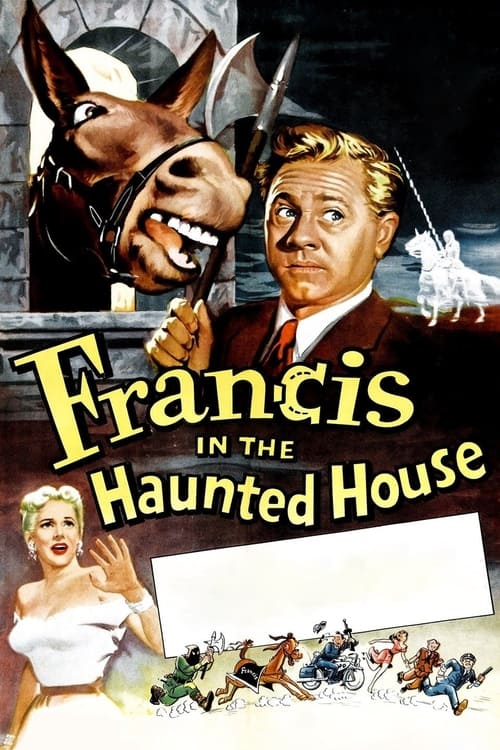
1956
1961
No reviews yet. Be the first to share your thoughts on this movie!
Use the rating form above to leave a star rating and optional review.