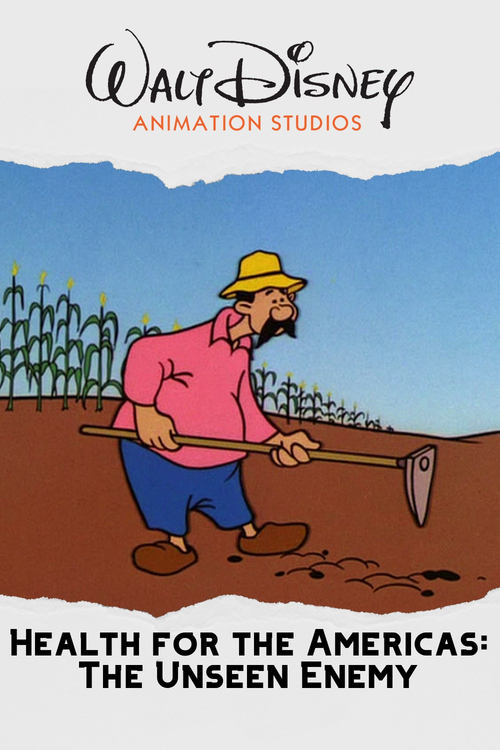
Health for the Americas: The Unseen Enemy
1945
No user ratings available yet
Representation score: 2.1 out of 10
Representation Score
Minimal
1943
NRDirector
Bill Justice
Runtime
10 minutes
Average Rating
No ratings yetNew Showbiz Analysis
The film functions as a mid-century instructional tool rather than a narrative exploring social identity. Its primary objective is scientific communication regarding malaria, which dictates its narrow character focus. Because the animation relies on established archetypes like the Seven Dwarfs to deliver pedagogical content, the characters serve a functional role in a public health message. This leaves little room for diverse character development. Ultimately, the work reflects the era's emphasis on institutional stability and scientific authority, resulting in a lack of representation across most social categories.
Category Breakdown
The film focuses entirely on a public health crisis and does not include any queer identities or non-cisgender expressions.
The Seven Dwarfs occupy a homogeneous masculine space. The film lacks feminine ability to act and does not challenge traditional gender hierarchies.
The cast appears to follow standard, homogeneous character models from the 1940s. There is no multi-ethnic representation or diverse casting.
The narrative reinforces institutional authority and scientific progress. It lacks any deconstruction of traditional Western values or cultural relativism.
While malaria is a physical affliction, the film does not center on the lived experience of disability. The struggle is framed as a biological battle.
Present on Screen
Limited or Absent
Official Synopsis
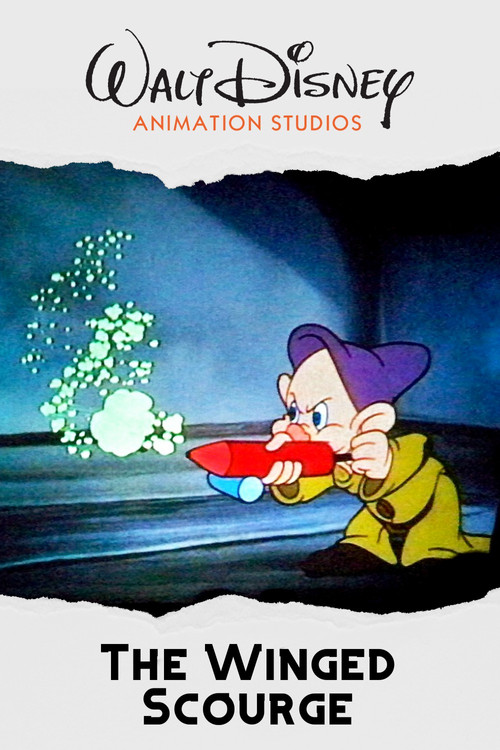
The Seven Dwarfs fight malaria.
1945

1943

1946

1942
1969

1962

1980

1987
No reviews yet. Be the first to share your thoughts on this movie!
Use the rating form above to leave a star rating and optional review.