Health for the Americas: The Unseen Enemy
1945
No user ratings available yet
Representation score: 2.1 out of 10
Representation Score
Minimal
1962
Director
Curtis Avery
Runtime
20 minutes
Average Rating
No ratings yetNew Showbiz Analysis
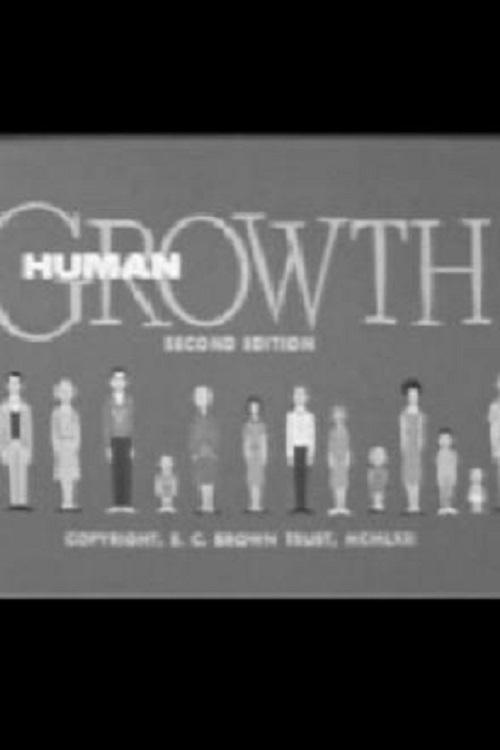
Human Growth: Second Edition serves as a historical document of mid-century educational media. Its main goal is to standardize biological knowledge for seventh-grade students, prioritizing scientific accuracy over social diversity. The film adheres to the demographic and social norms of 1962, focusing on a narrow, traditional view of human reproduction. It lacks intentionality regarding diverse identities and perspectives. Overall, the documentary reflects the pedagogical norms of its time, presenting a homogeneous and traditional perspective aligned with the scientific consensus of the era.
Category Breakdown
The film strictly follows traditional views of gender and sexuality, showing no evidence of non-binary gender identities or same-sex relationships.
The movie depicts traditional gender roles, emphasizing conventional reproductive functions without challenging existing hierarchies.
The film likely portrays a homogeneous, predominantly white and Western demographic, reflecting the norms of the early 1960s.
The film upholds Western educational and scientific traditions, reinforcing the traditional family structure without questioning existing institutions.
There is no depiction of individuals with visible or invisible disabilities, nor does it include diverse physical or cognitive experiences.
Present on Screen
Limited or Absent
Official Synopsis
The first edition of this film about human reproduction was the first to be shown in U.S. public schools in 1947. Intended for seventh grade students, the first edition of Human Growth was seen by millions of schoolchildren in twenty countries, and won numerous awards. This revised and updated second edition was released in 1962.
1945
1980
1946
1943
1961
1969

1987
1943
No reviews yet. Be the first to share your thoughts on this movie!
Use the rating form above to leave a star rating and optional review.