The Solar Film
1980
No user ratings available yet
Diversity score: 2.3 out of 10
1969
GDirector
Ward Kimball
Runtime
21 minutes
Average Rating
No ratings yetSynopsis
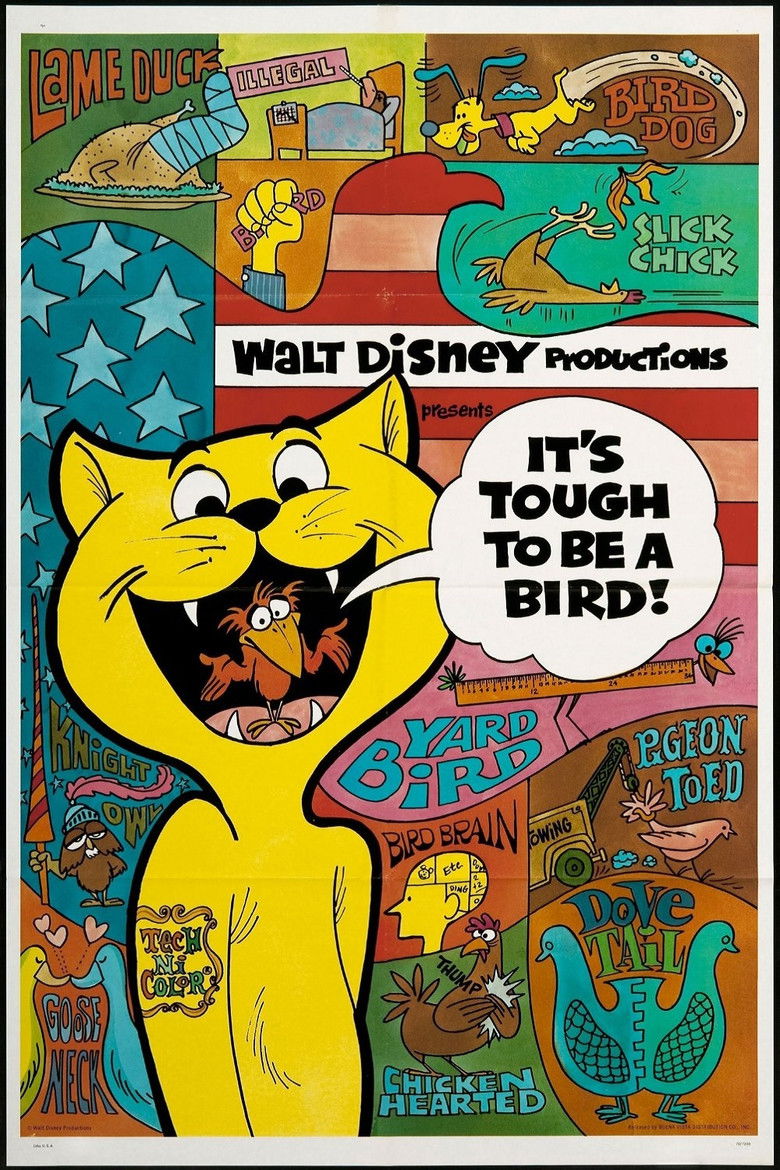
Part cartoon and part documentary, this film offers a humorous look at birds and the ways people perceive them.
Overall Score
Limited
Category Breakdown
LGBTQ+ Representation
The film lacks explicit LGBTQ+ characters or narratives. Its focus on avian biology and human perception precludes the exploration of sexual orientation or gender identity.
Gender Representation
Representation is limited to biological observations of avian species. The film does not actively subvert or reinforce human gender hierarchies due to its non-human subjects.
Racial & Ethnic Diversity
The documentary lacks a diverse human cast or intersectional human identities. It reflects the observational limitations of its 1969 era by focusing strictly on the natural world.
Religious & Cultural Diversity
The film critiques the human gaze and our perception of nature. However, it avoids engagement with systemic critiques of religion, capitalism, or Western institutions.
Disability Representation
There is no evidence of representation for physical or neurodivergent disabilities. Neither human characters nor avian metaphors address these themes.
Strengths
Areas for Improvement
AI Analysis
Ward Kimball’s work functions as a specialized observational study of the natural world. By shifting the lens toward avian behavior, the film avoids the active promotion of human social hierarchies. However, this focus comes at the cost of social depth. The film lacks the intentionality required to address human identity, intersectionality, or systemic reform. It remains a product of its era, prioritizing naturalism over the exploration of social architecture. Ultimately, while the film avoids many traditional tropes by centering on animals, it offers no meaningful engagement with the diverse spectrum of human experience.
1980
1962
1943
1943
1959
1955
No reviews yet. Be the first to share your thoughts on this movie!
Use the rating form above to leave a star rating and optional review.