The Lawyer's Secret
1931
No user ratings available yet
Representation score: 1.3 out of 10
Representation Score
Limited
1941
ApprovedDirector
Jean Negulesco
Runtime
20 minutes
Average Rating
No ratings yetNew Showbiz Analysis
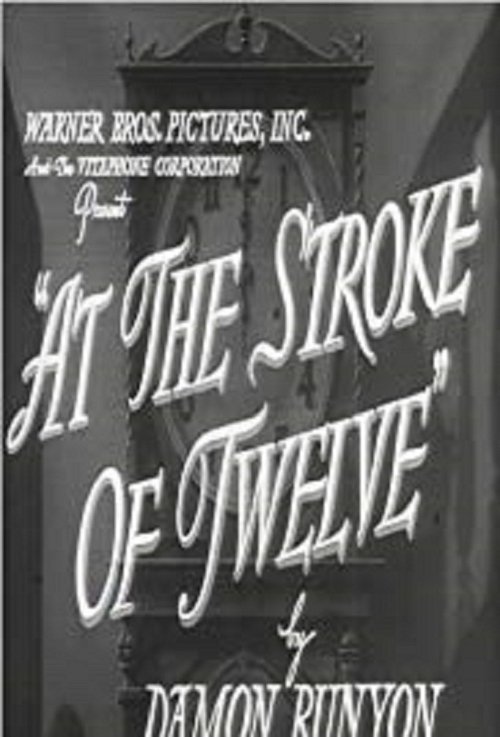
At the Stroke of Twelve is a period-specific genre short that adheres to the traditional narrative structures of the early 1940s. It serves as a standard dramatic exercise in suspense and legal coincidence, rather than a tool for social subversion. The film's focus remains on a male-driven crime drama involving racketeering and gangsters. While the widow offers a pivotal moment, the power dynamics are rooted in mid-century social hierarchies. Ultimately, the work lacks the intentionality needed to disrupt conventional clichés, presenting a homogeneous view of the urban crime landscape typical of the Warner Bros. 'Broadway Brevity' series.
Category Breakdown
The film follows the social norms of 1941 and does not include any non-traditional gender identities or critiques of the assumption that everyone is straight or cisgender.
The story focuses on a male protagonist involved in criminal activities. A reclusive widow plays a crucial role, but her importance is tied to her relationship with her deceased husband.
The film depicts a conventional, homogeneous society of the time, lacking significant racial blending or non-Anglo-Saxon representation.
The themes center around crime, luck, and legal exoneration, without any critique of institutions or emphasis on secular values.
The plot summary does not mention any visible or invisible disabilities, neurodivergence, or chronic illnesses.
Present on Screen
Limited or Absent
Official Synopsis
This entry in Warner's "Broadway Brevity" series of shorts is based on Damon Runyon's short story, "The Old Doll's House". Racketeer Lance McGowan, on the night he has decided to go straight, finds himself caught between the gunfire of two rival gangsters and, wounded by a bullet, he finds refuge in the home of a wealthy recluse. One of the gangsters is found riddled with bullets from the gun Lance dropped while making his escape, and he is arrested and tried for murder. The reclusive widow comes to the trail and testifies that Lance was her guest that night when the clock struck twelve, the time of the killing. Lance, while innocent, is also lucky, as the widow had her all her clocks set to always strike twelve, as the time her husband had died.
1931
1939
1961

1940
1940
1937
1935
1958
No reviews yet. Be the first to share your thoughts on this movie!
Use the rating form above to leave a star rating and optional review.