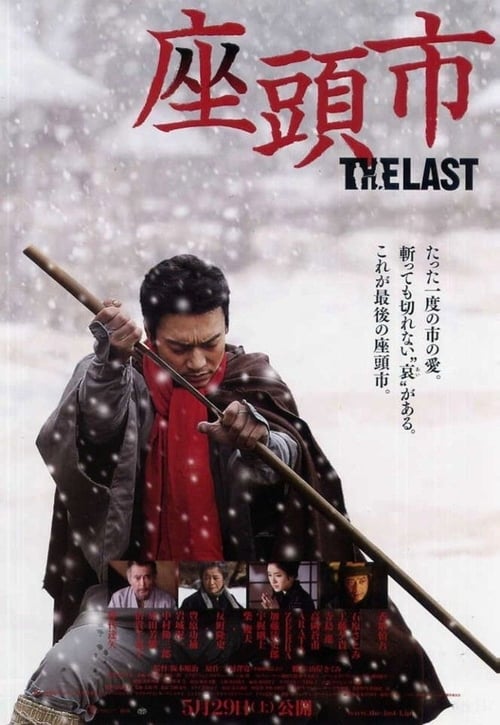
Zatoichi: The Last
2010
No user ratings available yet
Representation score: 3.9 out of 10
Representation Score
Limited
2015
Not RatedDirector
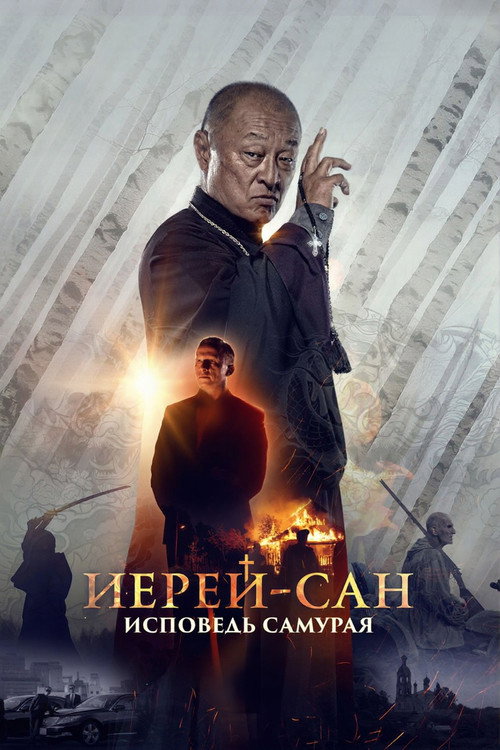
Egor Baranov
Runtime
100 minutes
Average Rating
No ratings yetNew Showbiz Analysis
The film prioritizes traditional genre clichés, focusing on action, religious duty, and familial conflict. While the setting offers a unique blend of Russian and Japanese cultures, the storytelling remains conservative in its approach to social structures. The narrative relies heavily on established masculine and religious archetypes. This focus limits opportunities for exploring complex multi-layered power dynamics or deconstructing conventional social hierarchies. Ultimately, the work functions as a standard action-drama. It uses its diverse cultural backdrop as a setting for conflict rather than a tool for systemic narrative subversion.
Category Breakdown
The film does not include any LGBTQ+ characters or explore non-cisgender identities. The story focuses on traditional masculine conflict patterns rather than exploring queer identities.
The story centers on male archetypes, such as a priest and a mobster. Female characters do not have significant roles or challenge gender hierarchies.
The film features a mix of Russian Orthodox and Japanese Yakuza cultures, providing some ethnic variety. However, these identities serve as settings for action rather than deep explorations of power dynamics.
The film emphasizes traditional religious structures, focusing on Orthodox morality and familial duty. It adheres to traditionalist values regarding spiritual vocation and avoids challenging institutional norms.
There is no mention of characters dealing with physical, neurodivergent, or mental health disabilities within the narrative.
Present on Screen
Limited or Absent
Official Synopsis
An Orthodox priest, Father Nikolay, the brother of a Yakuza boss, is drawn into in a mob war in Japan. He escapes to the small Russian village of Glubokoe, where he finds that war has found him again.
2010
1962
2010
2017
1995
2018

2017
1999
No reviews yet. Be the first to share your thoughts on this movie!
Use the rating form above to leave a star rating and optional review.