Stolen
2006
No user ratings available yet
Representation score: 4.5 out of 10
Representation Score
Good
2017
Director
Cristóbal Valenzuela
Runtime
90 minutes
Average Rating
No ratings yetNew Showbiz Analysis
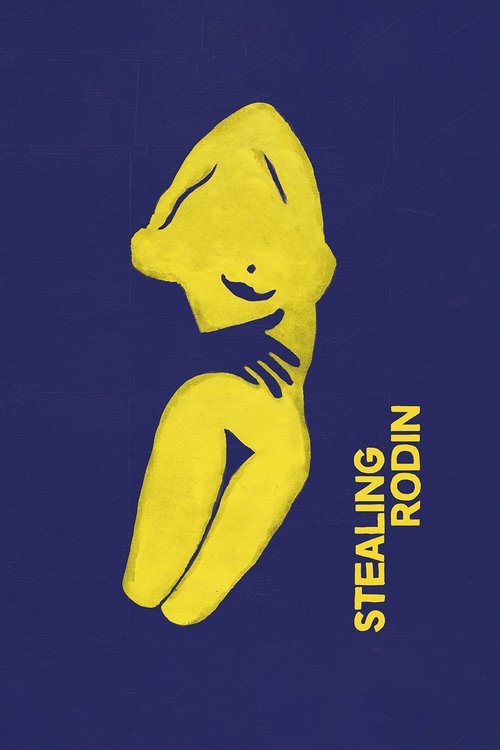
Stealing Rodin is an intellectual documentary that challenges traditional Western concepts of ownership and institutional authority. By reframing a criminal act as a conceptual performance, it questions the traditional hierarchies of art ownership and institutional authority. The film provides a South American perspective, offering a fresh critique of how institutions define property and legality. However, it lacks explicit representation regarding gender, disability, or LGBTQ+ identities, focusing primarily on philosophical and ethical issues.
Category Breakdown
The film focuses on the philosophical and legal aspects of an art heist, avoiding discussions about sexual orientation or gender identity.
The documentary highlights the ability to act of a student and the museum's response, without exploring gendered power dynamics or challenging gender hierarchies.
Set in Chile, the film presents a non-Western perspective on art and property, shifting the focus away from Anglo-centric art history and Western market dominance.
The film examines the tension between subjective morality and institutional law, questioning the sanctity of museums by framing a theft as a form of artistic expression.
The film does not center on neurodivergence or physical disabilities, focusing instead on the conceptual nature of the art project.
Present on Screen
Limited or Absent
Official Synopsis
One morning in June 2005, the guards of the National Museum of Fine Arts of Chile, noticed that a millionaire Auguste Rodin sculpture had been stolen. 24 hours after the event a shy art student returns the piece arguing that he had stolen it as part of an artistic project. A documentary that explores the dilemmas of the artist and contemporary art.
2006
1973

2016
2021
2014
2013

2012
2018
No reviews yet. Be the first to share your thoughts on this movie!
Use the rating form above to leave a star rating and optional review.