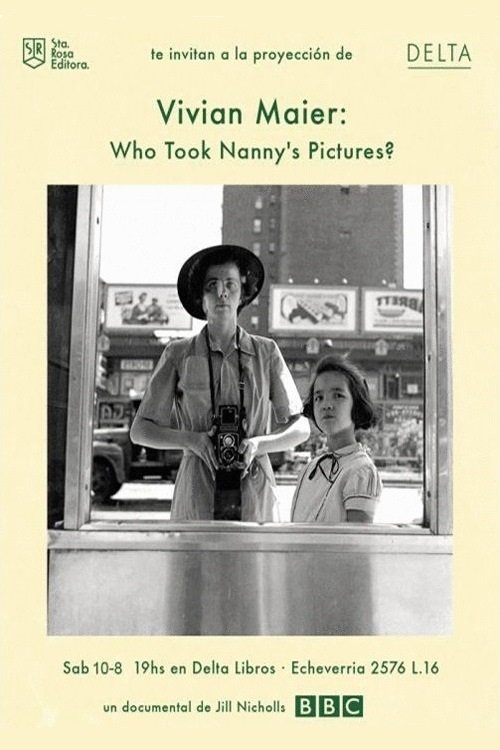
Vivian Maier: Who Took Nanny's Pictures?
2013
No user ratings available yet
Representation score: 8.3 out of 10
Representation Score
Good
2015
Not RatedDirector
Michelle Boyaner
Runtime
77 minutes
Average Rating
No ratings yetNew Showbiz Analysis
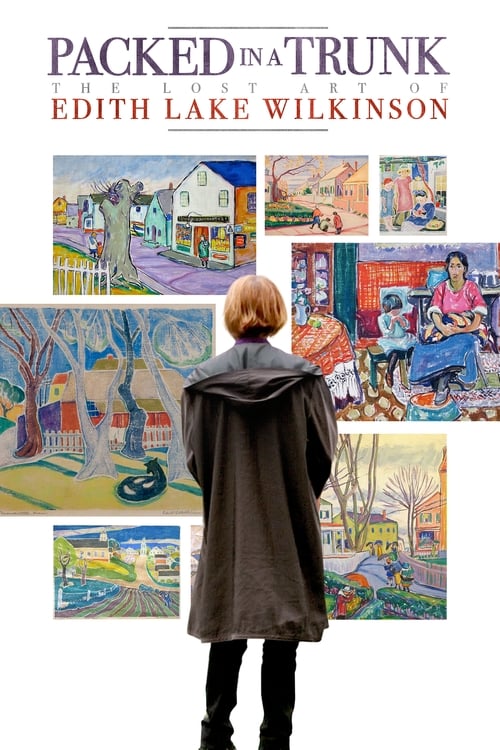
Packed In A Trunk is a restorative documentary that focuses on reclaiming a lost female legacy. It succeeds by challenging traditional historical narratives and the erasure of women in the art world. The film provides a nuanced look at institutional power and the reclamation of ability to act. It goes beyond a simple biography to critique how society historically silenced neurodivergent individuals. However, the scope remains narrow. The focus on a specific Western lineage limits the film's engagement with broader multi-ethnic or diverse racial perspectives.
Category Breakdown
The film explores themes of historical suppression and reclaimed identity, focusing on identities that were historically erased.
This documentary challenges traditional art history hierarchies by centering a female subject. It highlights how female descendants work to restore the artistic legacy of a woman silenced by institutional forces.
The narrative focuses on a specific lineage within a Western context. It does not include a multi-ethnic cast or critique of racial hierarchies.
The film critiques historical psychiatric institutions by prioritizing individual subjective truth over official records. It challenges how history and memory are constructed.
The story addresses the historical vulnerability of those institutionalized for mental health. It focuses on reclaiming Wilkinson's personhood through her creative output rather than her diagnosis.
Present on Screen
Limited or Absent
Official Synopsis
The story of artist Edith Lake Wilkinson, a painter who was committed to an asylum in 1924 and never heard from again. All her worldly possessions were packed into trunks and shipped to a relative in West Virginia where they sat in an attic for 40 years. Edith's great-niece, Emmy Award winning writer and director Jane Anderson, grew up surrounded by Edith's paintings, thanks to her mother who had gone poking through that dusty attic and rescued Edith's work. The film follows Jane in her decades-long journey to find the answers to the mystery of Edith's buried life, return the work to Provincetown and have Edith's contributions recognized by the larger art world.
2013

2011
2019

2014
2016

2018
2016
2021
No reviews yet. Be the first to share your thoughts on this movie!
Use the rating form above to leave a star rating and optional review.