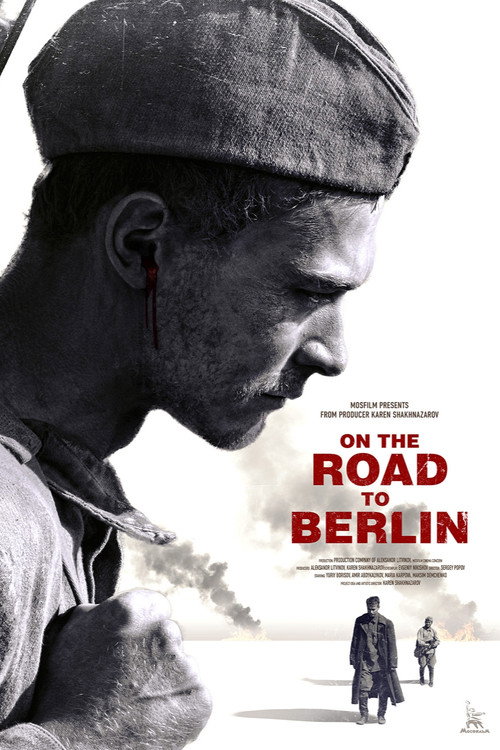
On the Road to Berlin
2015
No user ratings available yet
Representation score: 1.8 out of 10

Representation Score
Fair
2023
Director
Ainur Askarov
Runtime
101 minutes
Average Rating
No ratings yetNew Showbiz Analysis
Clemency serves as a humanistic critique of institutional rigidity rather than a modern identity-focused drama. It emphasizes the conflict between systemic law and personal ability to act over traditional wartime glorification. The film successfully breaks down the 'heroic soldier' archetype by focusing on the vulnerability of a young man caught in a bureaucratic machine. This provides a nuanced look at historical conflict. However, the narrative remains tied to traditional frameworks. Romantic elements are strictly heterosexual, and the cultural critique is confined to the specific historical context of the Eastern Front.
Category Breakdown
The story focuses on a heterosexual relationship between Sergeant Zukh and his girlfriend. There are no queer narratives or non-cisgender identities represented.
The film shifts from traditional masculine stoicism to emotional vulnerability. While the female character motivates the protagonist, the narrative challenges the typical heroic soldier stereotype.
Set during the Battle of Stalingrad, the film highlights a multi-ethnic Soviet environment. It examines how wartime laws affect diverse individuals within a monolithic institution.
The film critiques the impersonal military machine as an oppressive force. It explores the tension between state authority and individual ethics within a specific historical patriotic context.
There is no mention of visible or invisible disabilities in the character descriptions or plot summary.
Present on Screen
Limited or Absent
Official Synopsis
Summer of 1942. A fierce battle begins near Stalingrad, the outcome of which will decide the fate of the whole world... Twenty-year-old sergeant Lubomir Zukh, who has not yet smelled gunpowder, left his unit in the frontline zone to say goodbye to his girlfriend. He was out of the unit for only three hours! But according to the laws of wartime, he is a deserter. And the punishment for this is one thing — execution. The sentence is too harsh, and everyone understands that. Will the flywheel of the military machine stop, will there be an order for pardon?
2015
2002
2021

1972
1992
2007
1978
1990
No reviews yet. Be the first to share your thoughts on this movie!
Use the rating form above to leave a star rating and optional review.