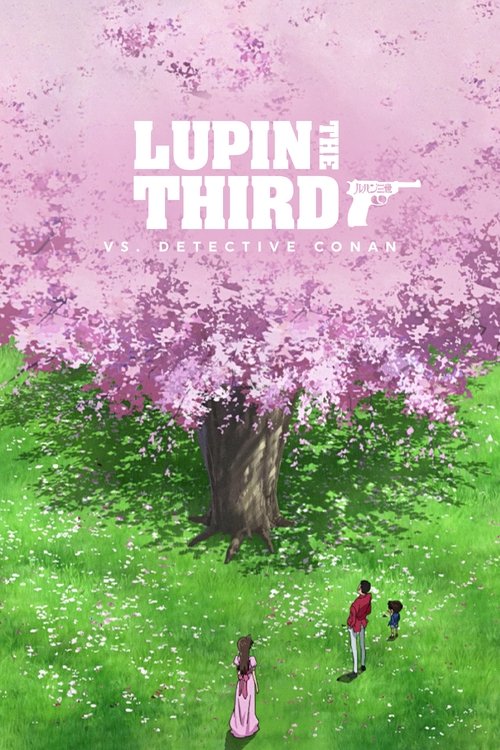
Lupin the Third vs. Detective Conan
2009
No user ratings available yet
Representation score: 1.2 out of 10
Representation Score
Limited
2013
PG-13Director
Hajime Kamegaki
Runtime
106 minutes
Average Rating
No ratings yetNew Showbiz Analysis
This crossover event emphasizes genre spectacle and established character types over social commentary. It combines two distinct narrative structures, focusing on the excitement of the chase rather than broader societal issues. While Fujiko Mine plays a significant role in driving the story, the film remains tied to traditional stereotypes. The narrative lacks intentionality regarding diverse representation or progressive socio-political themes. Ultimately, the film is a culturally specific production. It maintains a homogeneous demographic perspective and relies on idealized physical archetypes common to the action-adventure genre.
Category Breakdown
The film follows the assumption that everyone is straight or cisgender, with no representation of non-traditional gender identities or same-sex relationships.
Fujiko Mine takes control through manipulation, breaking away from the passive love interest role. However, she often falls into the sexualized femme fatale stereotype. Ran Mouri demonstrates physical strength through martial arts, but traditional gender roles still dominate.
The story focuses on a modern Japanese setting with a predominantly East Asian cast, without exploring multiple aspects of identity or diverse backgrounds.
Lupin III’s criminal behavior is presented as an individualistic rebellion against authority, offering a mild critique but avoiding deeper religious or socio-economic analysis.
There is no significant presence of characters with visible or invisible disabilities. Characters are shown through the lens of idealized physical capabilities necessary for action-adventure.
Present on Screen
Limited or Absent
Official Synopsis
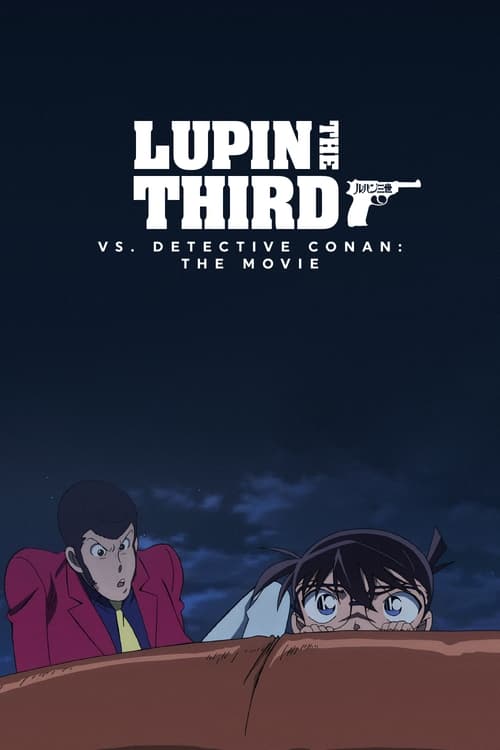
Conan Edogawa sets out to apprehend Lupin the Third, the suspect of stealing a jewel called Cherry Sapphire.
2009
1999
2000
1998

1989

2012
2008
2015
No reviews yet. Be the first to share your thoughts on this movie!
Use the rating form above to leave a star rating and optional review.