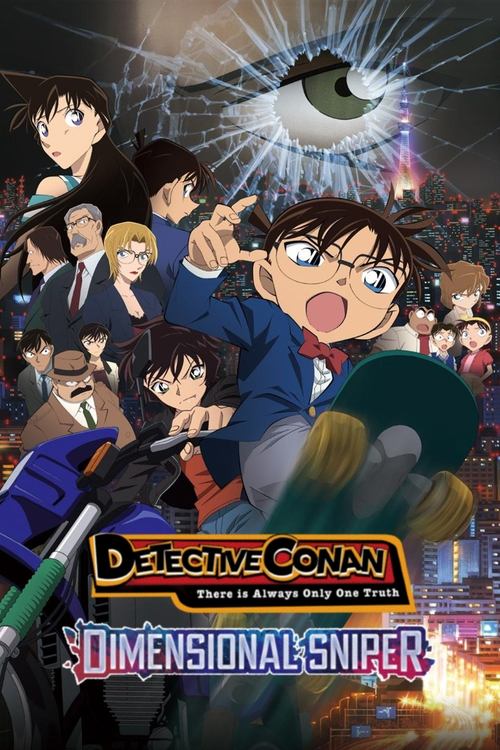
Detective Conan: Dimensional Sniper
2014
No user ratings available yet
Representation score: 3.3 out of 10
Representation Score
Minimal
2015
PG-13Director
Kobun Shizuno
Runtime
113 minutes
Average Rating
No ratings yetNew Showbiz Analysis
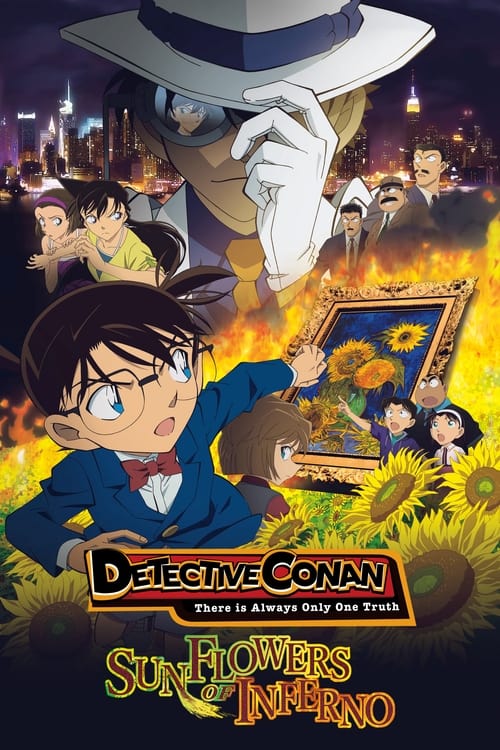
Detective Conan: Sunflowers of Inferno is a traditional genre piece focused on mystery-solving and high-tech action. The narrative structure adheres to established genre clichés rather than exploring social or identity-based themes. While the film offers significant roles for female characters, it does not intentionally represent diverse identities. The story remains within a culturally specific, traditional Japanese context. Ultimately, the film reinforces existing social structures and binary moral frameworks without challenging systemic hierarchies or providing diverse visibility.
Category Breakdown
The film follows a traditional structure that assumes everyone is straight or cisgender. There is no depiction of LGBTQ+ identities or non-traditional gender expressions.
Female characters such as Ran Mouri and Ai Haibara play significant roles in the story, actively participating in investigations rather than being passive observers.
The cast is primarily made up of actors from similar backgrounds, reflecting a localized Tokyo setting. There is no intentional effort to include diverse ethnic identities.
The narrative emphasizes law enforcement and crime resolution, reinforcing social order without critiquing Western institutions or exploring complex moral relativism.
There is no representation of visible or invisible disabilities. Characters operate within standard physical and cognitive parameters.
Present on Screen
Limited or Absent
Official Synopsis
Conan tries to track down Kaito Kid, who supposedly steals a replica of one of Van Gogh's Sunflowers paintings during an auction.
2014
1999
2017
2009
2011

2024

2019
2016
No reviews yet. Be the first to share your thoughts on this movie!
Use the rating form above to leave a star rating and optional review.