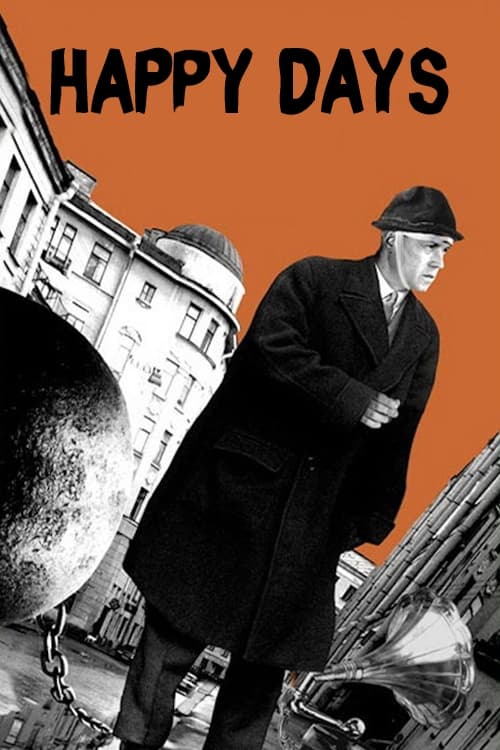
Happy Days
1991
No user ratings available yet
Diversity score: 4.3 out of 10
1989
Director
Aleksandr Itygilov
Runtime
103 minutes
Average Rating
No ratings yetSynopsis
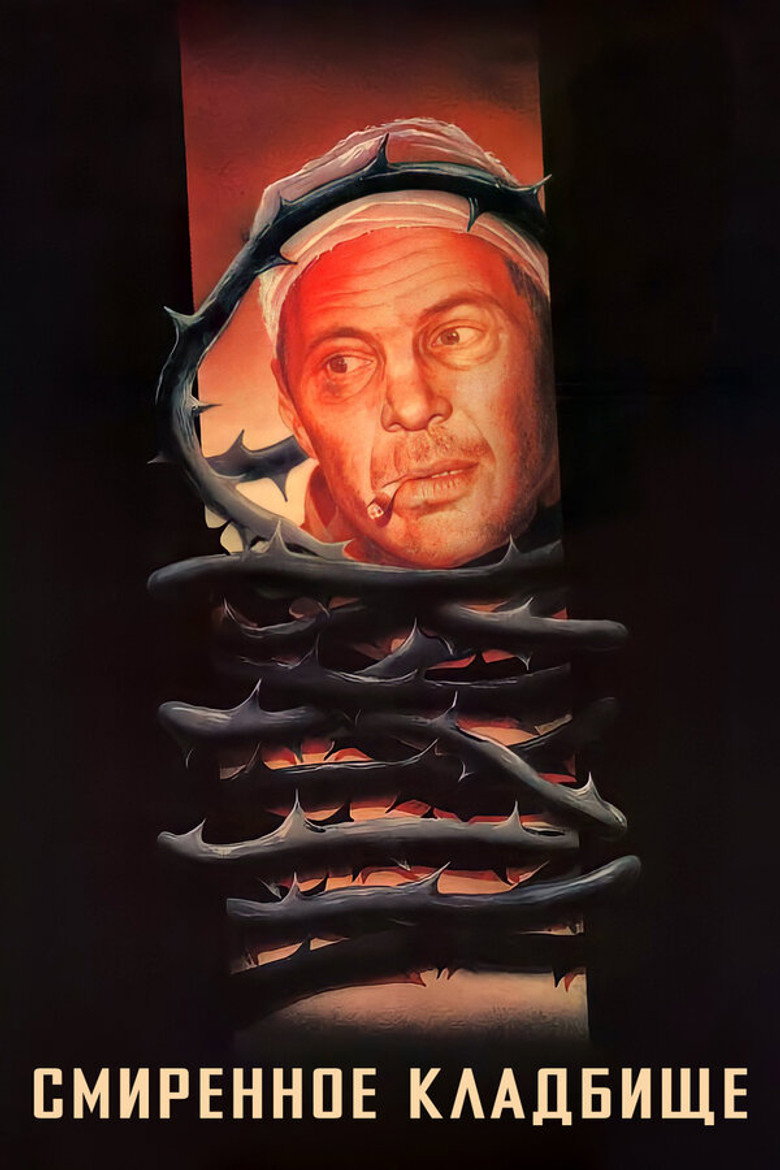
The main character Vorobei is a professional grave digger and alcohol addict, who runs away from hospital to dig graves instead of treating his head broken by his brother. He comes to cemetery and keeps on working, instead of his friends' advice to stay in the hospital. The world of death turns out to be surrounded by corruption, satanic money-making, cemetery mafia and lots of vodka.
Overall Score
Fair
Category Breakdown
LGBTQ+ Representation
The film lacks explicit evidence of LGBTQ+ characters or non-cisnormative identities. The narrative focuses almost entirely on the protagonist's addiction and the corruption within the cemetery.
Gender Representation
The story centers on a male protagonist and his conflicts with other men, including his brother and a cemetery mafia. This suggests a gritty, masculine-centric drama without significant female presence.
Racial & Ethnic Diversity
Set within a Soviet-era context, the film implies a localized and likely homogeneous social environment. There is no indication of ethnic blending or diverse racial casting.
Religious & Cultural Diversity
The film offers a sharp critique of institutional sanctity by portraying the cemetery as a site of corruption and 'satanic money-making.' It effectively deconstructs traditional social and moral orders.
Disability Representation
Vorobei navigates mental health struggles and substance abuse disorder. It remains unclear if these conditions are treated with agency or used as tropes of tragic dysfunction.
Strengths
Areas for Improvement
AI Analysis
The film functions primarily as a cynical social critique rather than a vehicle for intersectional identity. It excels at subverting institutional morality, portraying the sacred as a hub for organized crime and corruption. However, the narrative is heavily concentrated on masculine dysfunction and systemic decay. The lack of visible LGBTQ+, racial, or gender-diverse agency limits its broader representational impact. Ultimately, the work is a gritty study of moral relativism in a crumbling social structure, prioritizing its critique of corruption over diverse character demographics.
1991
2011
1980
2022
2014
1988
1959
1958
1981
1996
2009
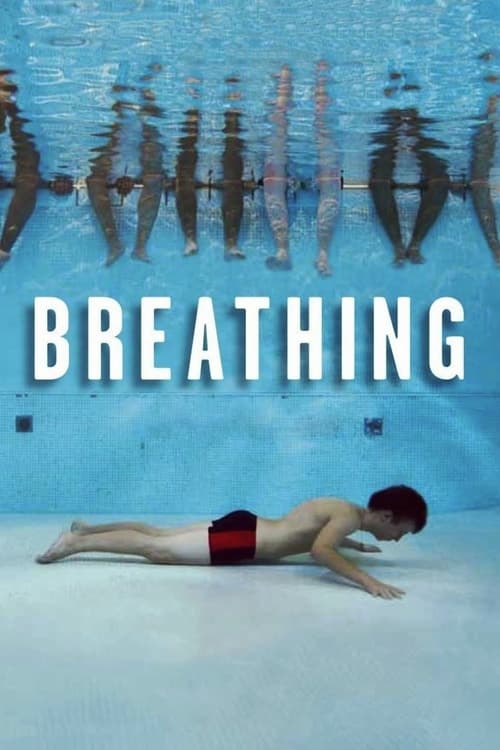
2011
No reviews yet. Be the first to share your thoughts on this movie!
Use the rating form above to leave a star rating and optional review.