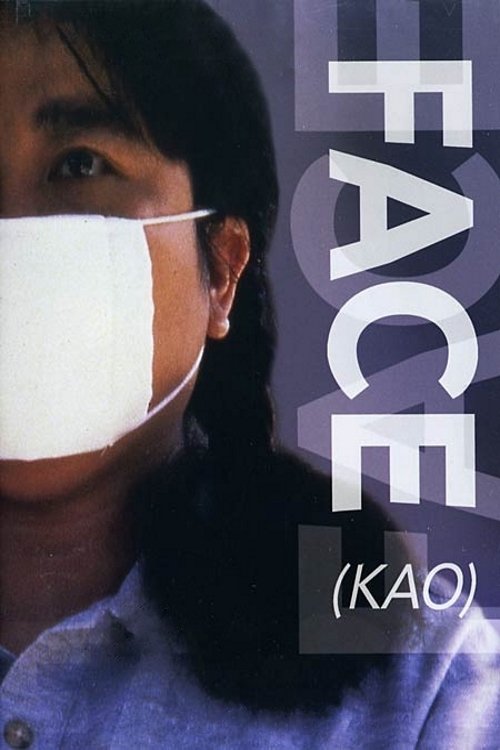
Face
2000
No user ratings available yet
Representation score: 4.0 out of 10
Representation Score
Fair
1999
RDirector
Katsuhito Ishii
Runtime
108 minutes
Average Rating
No ratings yetNew Showbiz Analysis
Katsuhito Ishii’s work is known for its innovative form and rejection of traditional, linear storytelling. The film excels at disrupting social norms through its surrealist, postmodernist lens, creating a world that defies predictable reality. However, this stylistic rebellion does not translate into explicit demographic diversity. The narrative lacks concrete representation of underrepresented identities, such as LGBTQ+ characters or individuals with disabilities, focusing instead on avant-garde visual language. Ultimately, the film focuses on structural disruption rather than representing multiple layers of diversity.
Category Breakdown
The film uses surrealism and dreamlike imagery to explore fluid identities. However, it does not include explicit depictions of same-sex relationships or non-traditional gender identities.
Toshiko drives the plot by escaping a predatory patriarchal figure, challenging traditional gender roles. However, the film provides limited information on how it subverts traditional masculinity.
The cast is primarily Japanese, reflecting the demographic norms of its time. It does not use multicultural casting or race-bending to challenge domestic norms.
The postmodernist framework rejects singular moral truths in favor of subjective experiences. The chaotic, violent chase scene suggests a rebellion against structured social order and authority.
There are no characters with visible or invisible disabilities in the film. No such identities are used as plot devices within the narrative.
Present on Screen
Limited or Absent
Official Synopsis
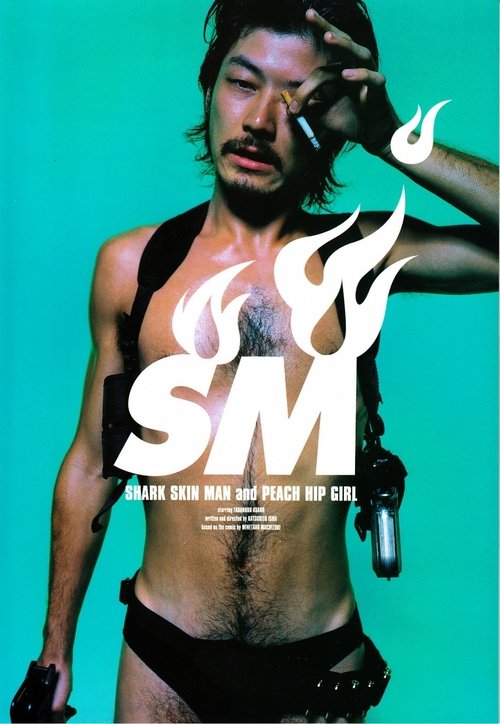
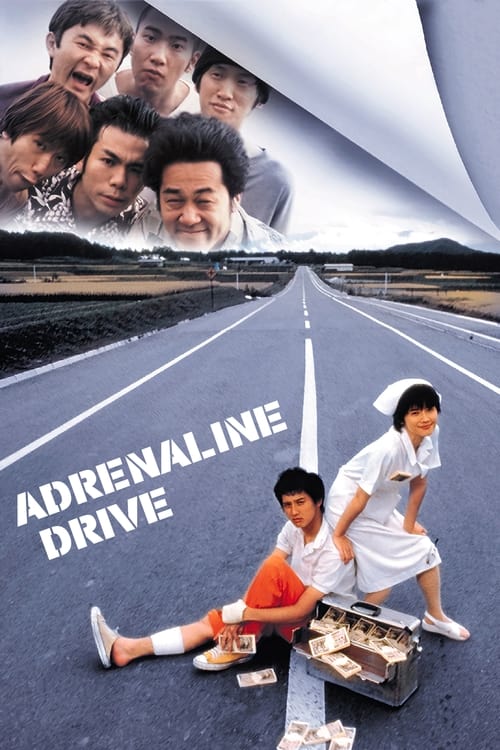
In dreamlike mountain scenery, Toshiko makes a daring escape from her sexually warped Uncle Sonezaki. Fortunately, she met Samehada as she runs for her life, which is also escaping from some slayers. What follows is a wild chase that leads the audience into a comically violent world.
2000

2013

2011
1979

2001
1992
1999
1995
No reviews yet. Be the first to share your thoughts on this movie!
Use the rating form above to leave a star rating and optional review.