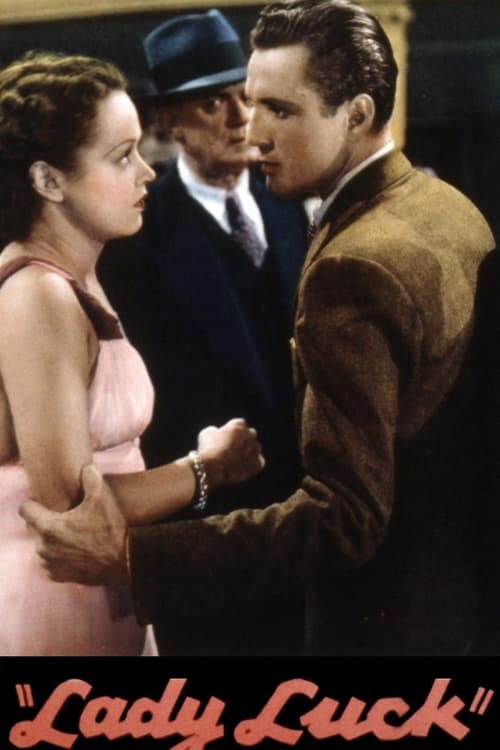
Lady Luck
1936
No user ratings available yet
Representation score: 1.9 out of 10
Representation Score
Limited
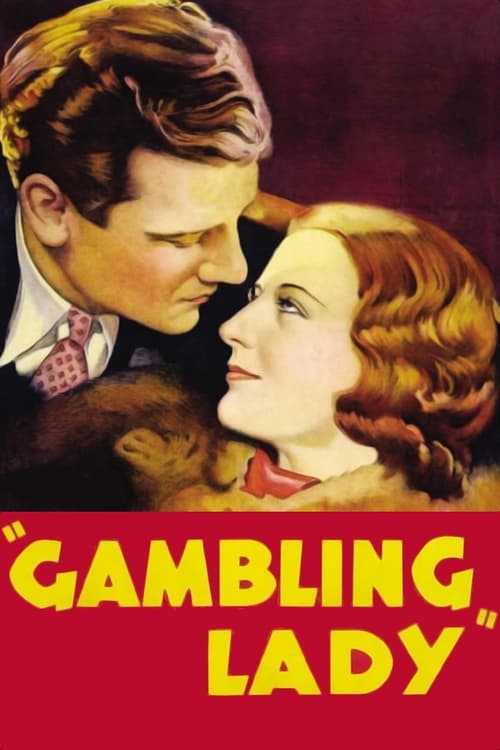
1934
NRDirector
Archie Mayo
Runtime
66 minutes
Average Rating
No ratings yetNew Showbiz Analysis
Gambling Lady is a product of the 1930s studio system, prioritizing conventional drama and class-based conflict. While it avoids many modern diversity benchmarks, it offers a compelling look at women's ability to drive the story in a male-dominated underworld. The film's strength lies in its protagonist, who navigates economic independence and professional success. This provides a more nuanced view of femininity than many contemporary films of the period. However, the narrative remains tied to the era's social constraints. The focus on class mobility and the eventual pivot toward a romantic marriage proposal limits its ability to challenge systemic social norms.
Category Breakdown
The film does not depict any non-straight relationships or same-sex intimacy. The plot revolves around traditional romantic tension between the female lead and a male socialite.
Lady Lee subverts the traditional gender norms of the 1930s through her toughness and economic independence. However, her storyline ultimately centers on a marriage proposal, suggesting a return to traditional romantic resolutions.
The narrative emphasizes class distinctions and social hierarchies rather than racial or ethnic diversity. It seems to focus on the homogeneous social structures typical of the era.
The story critiques systemic corruption and organized greed through its depiction of a gambling syndicate. It operates within a traditional moral framework regarding social mobility and marriage.
There are no characters identified as having visible or invisible disabilities within the narrative.
Present on Screen
Limited or Absent
Official Synopsis
A businesslike syndicate runs all the gambling joints in town; least profitable is honest Mike Lee's. Under pressure to allow cheating, Mike "walks out," leaving tough-minded daughter Lady Lee to earn a living the only way she knows. She soon becomes a success gambling among the rich, but, falling out with the syndicate, she considers the marriage proposal of blueblood Garry Madison. Can such a match work despite snobbery and old associations?
1936
1931
1942

1933
1930

1932
1934

1939
No reviews yet. Be the first to share your thoughts on this movie!
Use the rating form above to leave a star rating and optional review.