
Lucky Night
1939
No user ratings available yet
Representation score: 1.4 out of 10
Representation Score
Limited
1931
Director
Frank Tuttle
Runtime
72 minutes
Average Rating
No ratings yetNew Showbiz Analysis
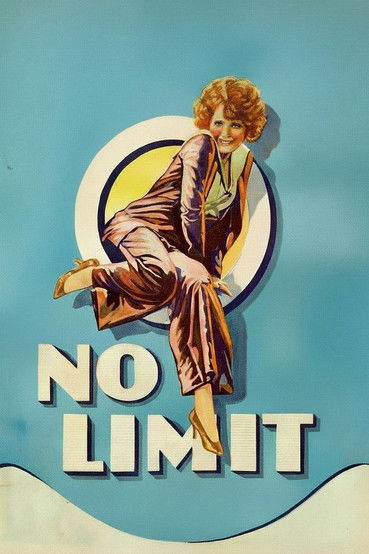
No Limit captures a transitional moment in social norms during the pre-Code era. Its main strength lies in the subversion of traditional femininity through the 'flapper' archetype, offering a glimpse of female autonomy emerging in the early 1930s. However, the film is limited by the conventions of its time. It lacks depth in representing diverse identities, relying on a homogeneous cast and standard heterosexual romances typical of mainstream commercial cinema in 1931. Ultimately, while the protagonist displays individual ability to act, the film reflects a period that prioritized Anglo-Saxon archetypes and lacked meaningful representation of diverse identities or disabilities.
Category Breakdown
The film follows the heterosexual norms typical of 1931 cinema, focusing on a conventional romance between the female lead and a male gambler.
Bunny O'Day shows significant independence and ability to act. Portrayed by Clara Bow, she challenges traditional domestic roles by navigating the social world of a gambling den.
The cast appears largely uniform, reflecting the standard Hollywood casting practices of the early 1930s. There is no indication of significant racial blending or diverse ethnic identities.
The story explores moral ambiguity by centering on a gambling den. This setting helps the narrative move away from rigid, traditional social respectability.
There is no evidence of characters with visible or invisible disabilities. Disability is not used as a narrative device in this work.
Present on Screen
Limited or Absent
Official Synopsis
Theater usherette Bunny O'Day (Clara Bow) inadvertently becomes hostess of a private gambling den, and gets involved in a romance with a ne'er-do-well gambler.
1939
1933
1934

1933
1935

1931
1934
1932
No reviews yet. Be the first to share your thoughts on this movie!
Use the rating form above to leave a star rating and optional review.