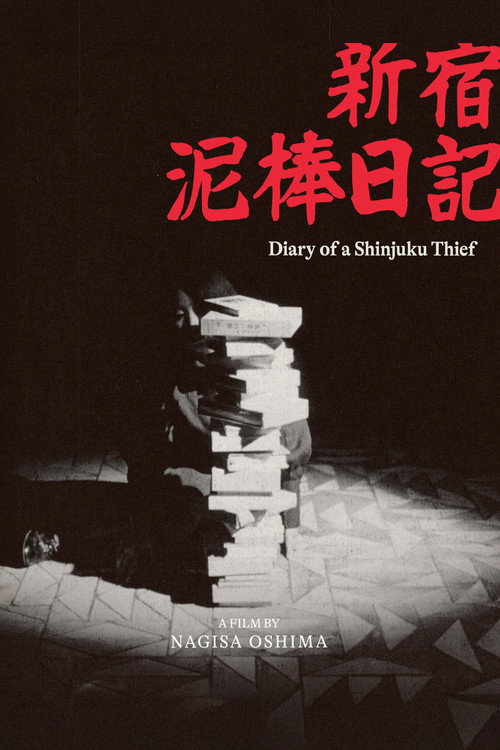
Diary of a Shinjuku Thief
1969
No user ratings available yet
Diversity score: 5.3 out of 10

1935
Director
Sadao Yamanaka
Runtime
92 minutes
Average Rating
No ratings yetSynopsis
A man gets rid of a cheap pot without knowing it contains a map to a treasure. As word spreads, many join in hunting it.
Overall Score
Fair
Category Breakdown
LGBTQ+ Representation
The film operates within the traditional social frameworks of the Edo period. There is no evidence of non-cisnormative gender identities or narratives addressing same-sex intimacy.
Gender Representation
The narrative focuses on the masculine-coded journey of a swordsman. It adheres to period-specific hierarchies with a lack of documented female agency or subversion of traditional roles.
Racial & Ethnic Diversity
As a domestic Japanese production, the film maintains a culturally specific authenticity. It avoids Western-centric perspectives, reflecting the historically homogeneous social reality of the era.
Religious & Cultural Diversity
The story explores tensions between personal desire and social order through the pursuit of wealth. It focuses on individualistic survival rather than a systemic critique of the state.
Disability Representation
The protagonist, a blind swordsman, is depicted with significant agency. His blindness is integrated into his identity as a capable combatant rather than being used as a mere plot device.
Strengths
Areas for Improvement
AI Analysis
Sadao Yamanaka’s direction elevates this period drama by moving away from rigid theatrical tropes toward psychological realism. The film's strength lies in its nuanced character studies, particularly through the protagonist's unique physical perspective. However, the film remains bound by the social hierarchies of the Edo period. The narrative lacks diversity in gender representation and LGBTQ+ identities, focusing instead on a traditional masculine journey. Ultimately, the work succeeds in providing a complex, capable portrayal of disability, which prevents the protagonist from becoming a mere archetype.
1969

1932
1936
1947

1964
1955
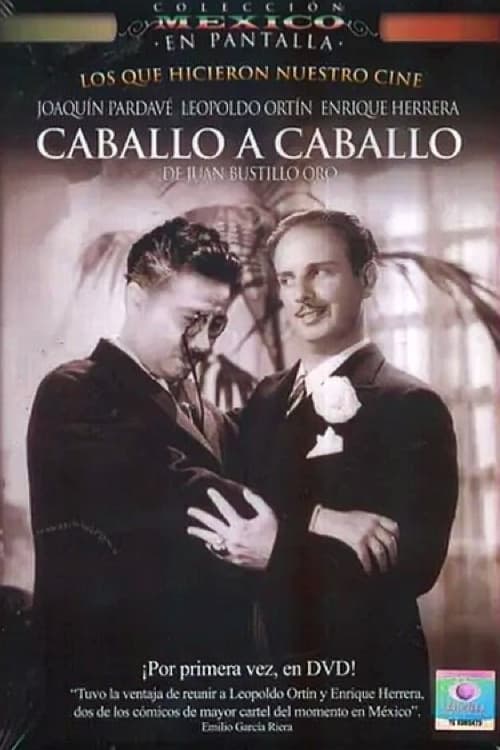
1939
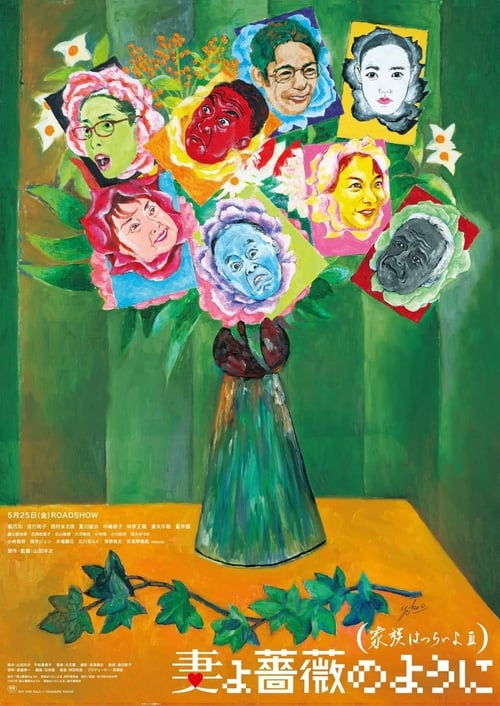
2018
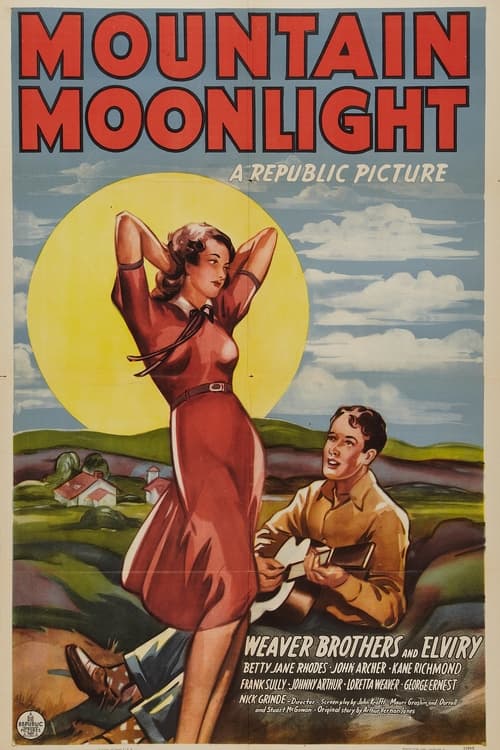
1941
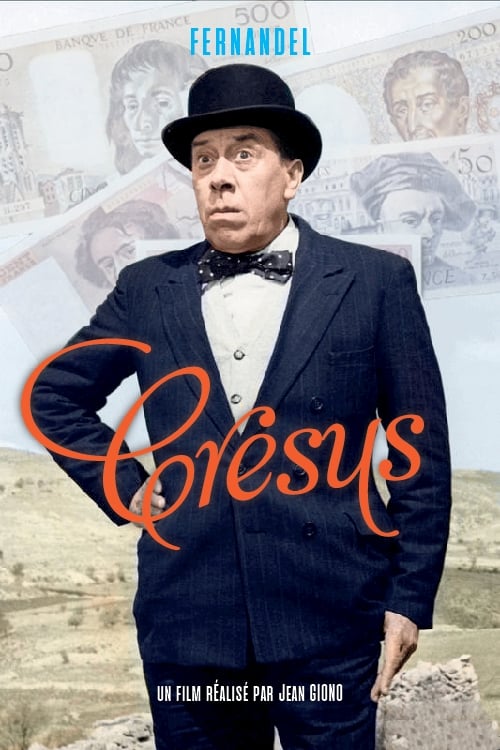
1960
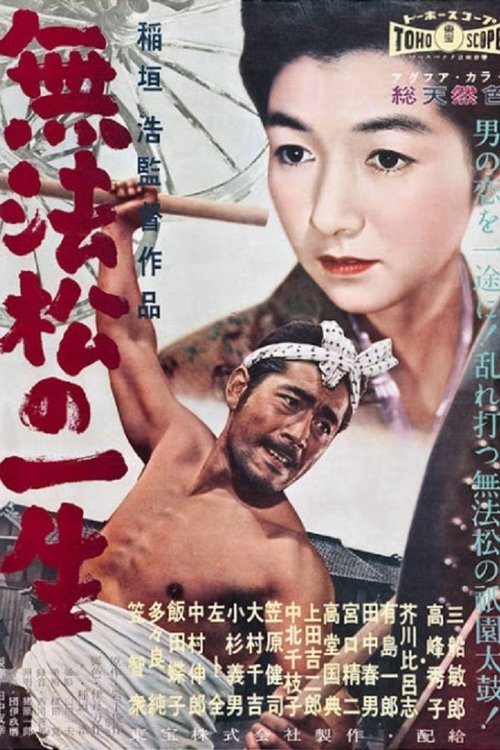
1958
No reviews yet. Be the first to share your thoughts on this movie!
Use the rating form above to leave a star rating and optional review.