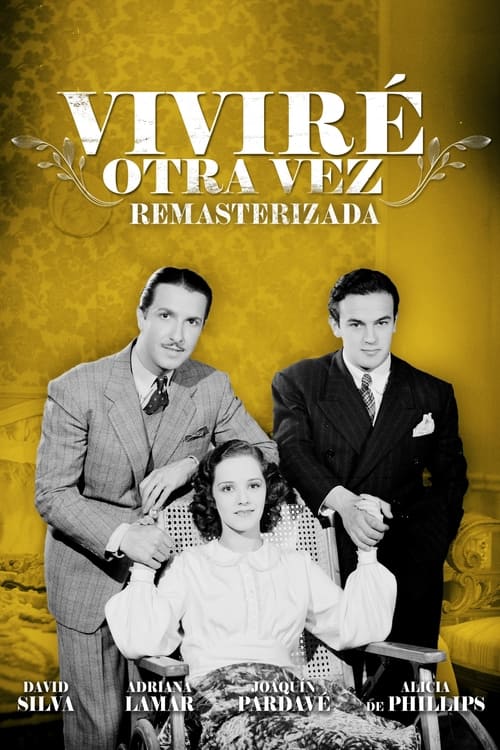
Viviré otra vez
1940
No user ratings available yet
Representation score: 2.3 out of 10
Representation Score
Minimal
1939
Director
Juan Bustillo Oro
Runtime
129 minutes
Average Rating
No ratings yetNew Showbiz Analysis
Caballo a caballo exemplifies mid-century Mexican genre filmmaking. It emphasizes traditional storytelling methods and established genre conventions over progressive social commentary. The narrative structure reinforces the social and moral norms of the 1930s. It centers on romantic and social conflicts within a rural setting, following familiar plotlines. Overall, the film does not aim to challenge traditional hierarchies, instead focusing on exploring social standing and traditional socioeconomic structures.
Category Breakdown
The film does not include any representation of LGBTQ+ identities. The romantic relationships follow traditional binary structures, focusing on a typical love triangle.
The movie follows traditional gender roles. The female protagonist is the emotional center, but her influence is limited to romantic and social interactions rather than challenging patriarchal norms.
The casting reflects the industry standards of the time in Mexico. It provides a snapshot of the era’s social makeup but does not actively address racial issues.
The film upholds traditional Western and colonial-era social norms. Themes of honor and reputation support the established moral order.
There are no significant portrayals of disabilities that play a key role in the story or as important character traits.
Present on Screen
Limited or Absent
Official Synopsis
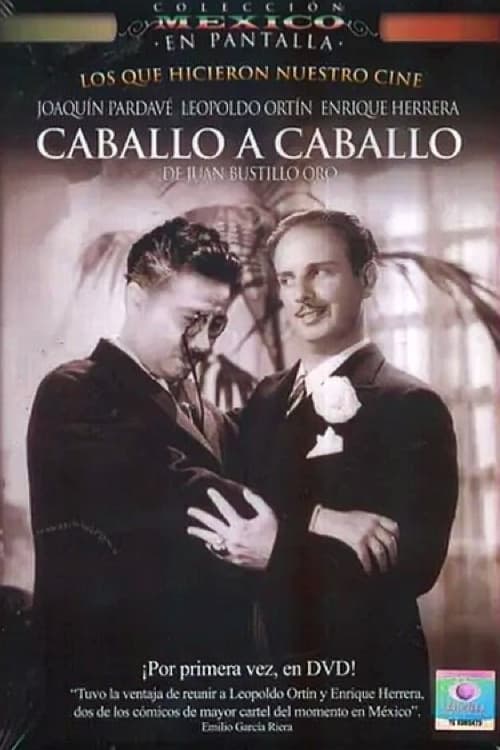
Two con-men end up at a country estate, where they thwart some jewel-thieves.
1940
1976
1939

1953
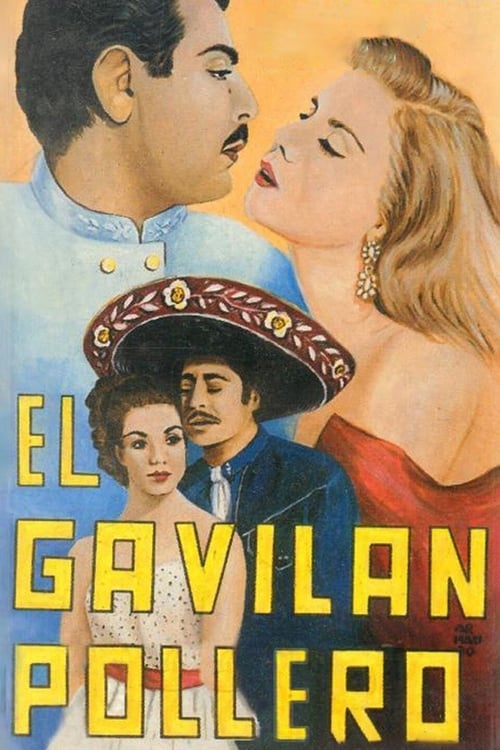
1951
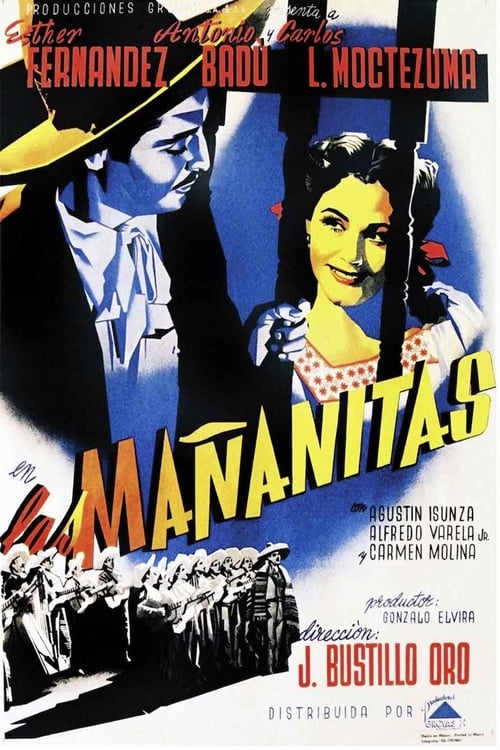
1948
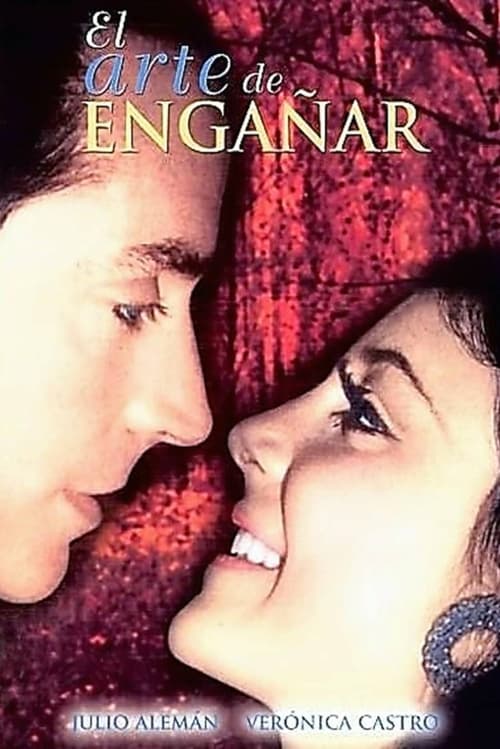
1972
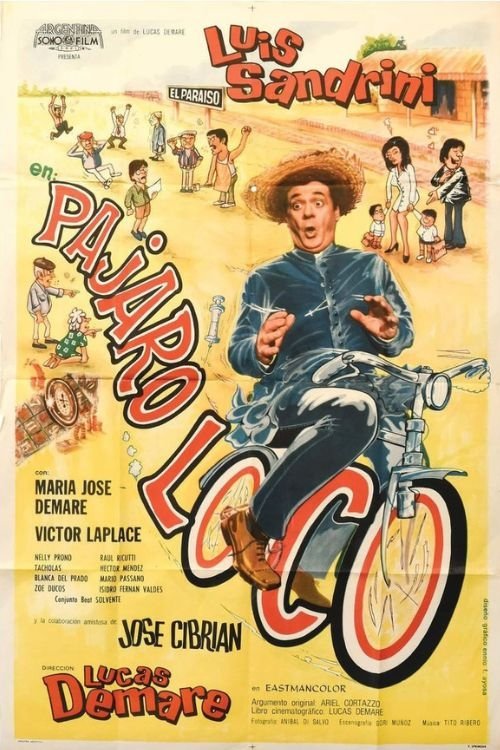
1971
No reviews yet. Be the first to share your thoughts on this movie!
Use the rating form above to leave a star rating and optional review.