The Moon Is Blue
1953
No user ratings available yet
Representation score: 5.9 out of 10
Representation Score
Fair
1998
Not RatedDirector
Tinto Brass
Runtime
105 minutes
Average Rating
No ratings yetNew Showbiz Analysis
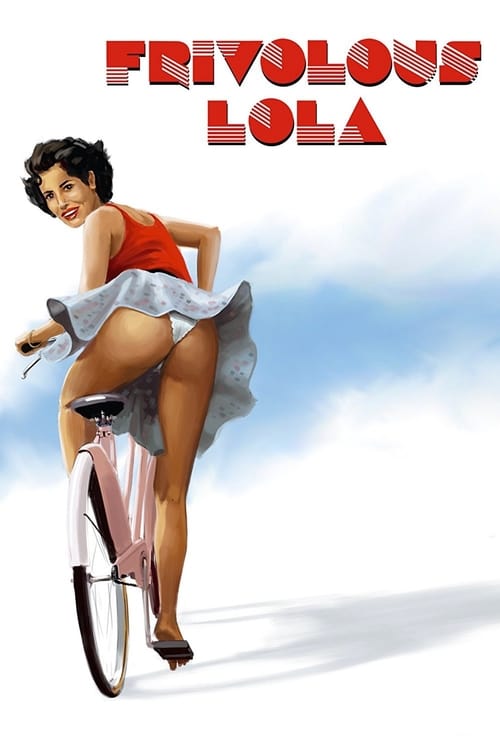
Frivolous Lola is a film filled with contradictions. It challenges traditional gender hierarchies by centering a female protagonist who exercises significant control over her life and actions. This character subverts the traditional 'chaste woman' archetype prevalent in 1950s social structures. However, the film's scope is limited by its historical and demographic context. It lacks racial and ethnic diversity, reflecting the homogeneity of its Northern Italian setting. Additionally, there is no representation of LGBTQ+ identities or characters. The film's strength lies in its cultural critique of religious dogma. It portrays individual desire as a means of liberation against the restrictive institutional norms of the era.
Category Breakdown
The film does not include any LGBTQ+ characters or non-assuming gender matches what was assigned at birth identities. It focuses on heterosexual relationships and tests a fiancé's commitment.
The protagonist challenges traditional gender roles by taking a leading, active role in the story. She uses her sexuality to navigate social situations rather than being passive or submissive.
Set in 1950s Northern Italy, the film reflects the demographic homogeneity of its era. The cast includes few characters from diverse racial or ethnic backgrounds.
The film critiques Catholic-influenced social codes by prioritizing secular desire over religious dogma. It deconstructs the 'ideal' family unit and moralistic expectations of the time.
There is no focus on disability or neurodivergence within the narrative.
Present on Screen
Limited or Absent
Official Synopsis
In 1950s northern Italy, a woman tests her fiancé's love and passion by trying to break his commitment to premarital chastity.
1953

1952
1985
1955

1978
1967

1972
1989
No reviews yet. Be the first to share your thoughts on this movie!
Use the rating form above to leave a star rating and optional review.