
Success Is the Best Revenge
1984
No user ratings available yet
Representation score: 8.4 out of 10
Representation Score
Limited
1982
PGDirector
Jerzy Skolimowski
Runtime
97 minutes
Average Rating
No ratings yetNew Showbiz Analysis
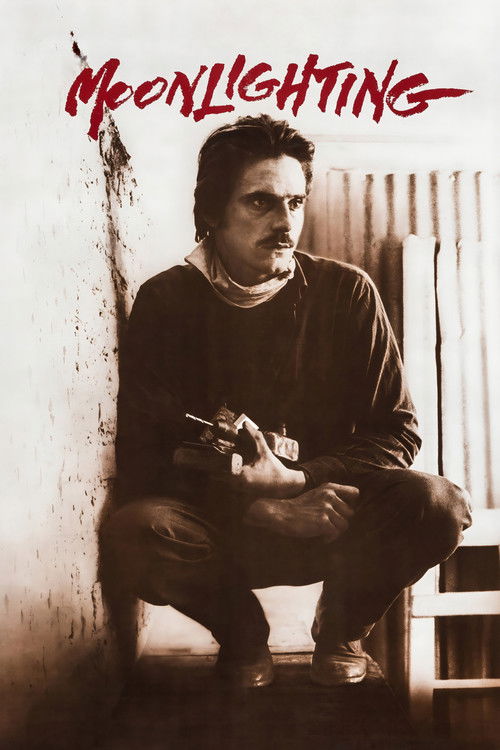
Moonlighting is a character study of displacement and class, primarily viewed through the lens of a Polish migrant workforce. Its strength lies in its sophisticated exploration of ethnic identity and the socioeconomic friction between Eastern European laborers and the Western urban landscape. However, the film is heavily skewed toward a masculine perspective, leaving little room for women's ability to drive the story or diverse gender expressions. The narrative's preoccupation with geopolitical upheaval and labor dynamics results in a narrow focus on male-centric struggles. Ultimately, while the film succeeds in disrupting the idea of a homogeneous Western metropolis, it lacks representation across several key demographic categories, resulting in a specialized, rather than inclusive, viewing experience.
Category Breakdown
The film focuses on the existential isolation and professional struggles of a male crew. There are no LGBTQ+ characters or narratives addressing sexual orientation.
The narrative centers around a masculine-coded space with workmen and their supervisor. It lacks significant women's ability to drive the story or the subversion of traditional gender roles.
The film provides a meaningful depiction of ethnic identity by centering a Polish workforce in London. Nowak’s command of English serves as a metaphor for immigrant ability to act.
The story critiques Western structures and the dehumanizing effects of urban life. It explores the tension between Western consumerism and Polish political instability.
There are no prominent depictions of visible or invisible disabilities. Characters with disabilities are not used as central plot devices in the narrative.
Present on Screen
Limited or Absent
Official Synopsis
A Polish contractor, Nowak, leads a group of workmen to London so they can provide cheap labor for a government official based there. Nowak has to manage the project and the men as they encounter the tempations of the West and loneliness and separation from their families. Nowak is the only one of the group who speaks English, and he uses this as a tool over his team. When the unrest in Poland leads to a military takeover, Nowak is faced with a much more difficult situation than he expected.
1984

1985

1976
1971

1994

1991

1978

2007
No reviews yet. Be the first to share your thoughts on this movie!
Use the rating form above to leave a star rating and optional review.