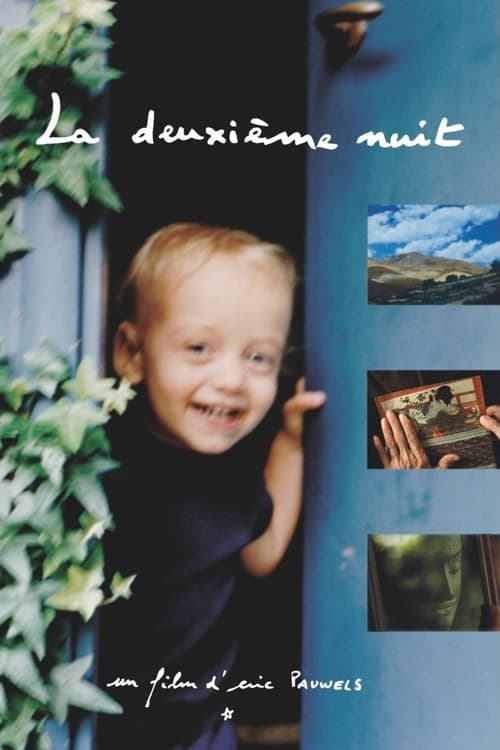
The Second Night
2016
No user ratings available yet
Representation score: 3.6 out of 10

Representation Score
Good
2000
Director
Eric Pauwels
Runtime
47 minutes
Average Rating
No ratings yetNew Showbiz Analysis
This documentary functions as a subjective piece of cinema, using a fragmented, textural narrative instead of traditional plot arcs. It avoids standard storytelling methods, making it hard to measure systemic power dynamics through typical character clichés. The film prioritizes individual perspective and emotional communication over institutionalized narratives. Its intimate, non-linear structure makes it more of a personal letter than a traditional documentary.
Category Breakdown
The film serves as a personal, poetic documentary rather than a narrative feature. It does not include specific LGBTQ+ character arcs or critiques of the assumption that everyone is straight or cisgender.
The narrative is told from a paternal perspective, directed towards the filmmaker’s daughter. The playful and experimental tone suggests an emotional exchange rather than a strict patriarchal structure.
Visual diversity depends on the specific textures and stories captured in the footage. Without specific scene data, the film maintains a neutral baseline regarding racial and ethnic representation.
The film emphasizes personal truth over institutional narratives. It deconstructs traditional, rigid structures in favor of a more fluid approach to storytelling.
There is no specific information about the depiction of physical disabilities or neurodivergence in this experimental work.
Present on Screen
Limited or Absent
Official Synopsis
A playful, free, and personal film in the form of a letter, a film interwoven with a thousand stories knit together with different textures, a book of images where a filmmaker shows the images and the stories he wants to share.
2016

1983

2000

2008
1983

2008
2001

2011
No reviews yet. Be the first to share your thoughts on this movie!
Use the rating form above to leave a star rating and optional review.