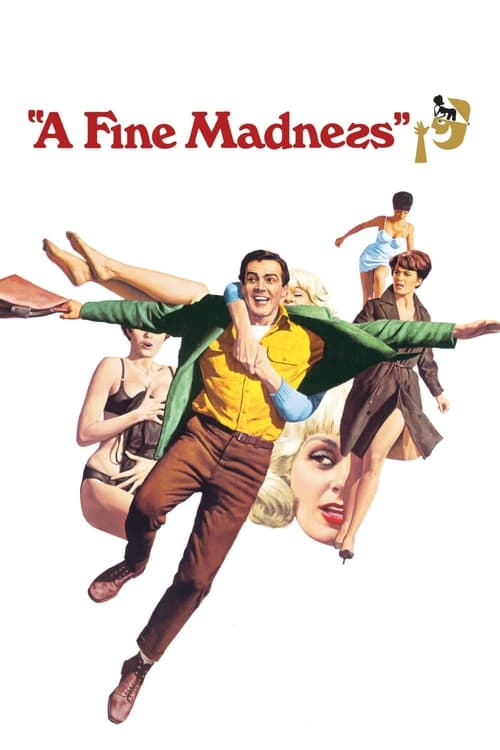
A Fine Madness
1966
No user ratings available yet
Representation score: 1.1 out of 10
Representation Score
Minimal
1983
RDirector
Blake Edwards
Runtime
110 minutes
Average Rating
No ratings yetNew Showbiz Analysis
The film functions as a traditional character study centered on a male protagonist, adhering to mid-century cinematic structures. By focusing on a singular male perspective, the narrative reinforces established social hierarchies. The story lacks a diverse or progressive lens, maintaining a homogeneous social landscape that avoids significant subversion of gender, racial, or cultural norms. Ultimately, the work remains a product of its era, emphasizing a narrow focus on a male-centric narrative without substantial engagement with broader societal issues.
Category Breakdown
The film focuses solely on heterosexual relationships and assumes all characters are cisgender, with no representation of LGBTQ+ identities.
The story centers on a male protagonist who holds significant control over the narrative, while women are often portrayed as objects of pursuit or catalysts for his development.
The casting is primarily white and reflects a homogeneous Western European setting, lacking significant racial diversity.
The film promotes traditional Western social norms, focusing on high-socioeconomic lifestyles without engaging with diverse cultural or religious themes.
Psychiatric settings are used to address the protagonist's compulsions, but mental health issues are framed as flaws rather than explored in depth.
Present on Screen
Limited or Absent
Official Synopsis
A womanizing sculptor seeks help from a psychiatrist to cure him of his obsession with women.
1966
1968

1981
1979

1982
1970
1991
1969
No reviews yet. Be the first to share your thoughts on this movie!
Use the rating form above to leave a star rating and optional review.