
¡Cuba Sí!
1961
No user ratings available yet
Representation score: 5.4 out of 10
Representation Score
Limited
2001
Director
Estela Bravo
Runtime
91 minutes
Average Rating
No ratings yetNew Showbiz Analysis
Estela Bravo’s documentary serves as a powerful piece of counter-hegemonic media. It succeeds by disrupting the Western-centric historical gaze, prioritizing post-colonial ability to act and racial solidarity through the lens of the Cuban Revolution. However, the film lacks contemporary identity-based representation. The narrative remains heavily centered on masculine-coded political leadership, offering little visibility for LGBTQ+ identities or specific gender subversions. Ultimately, the work's value lies in its cultural critique. It challenges traditional global power hierarchies and provides a necessary platform for non-Western historical perspectives.
Category Breakdown
The documentary focuses on historical political figures and revolutionary movements. There is no evidence of LGBTQ+ characters or narratives addressing non-straight relationships.
The narrative centers on the male-dominated sphere of revolutionary leadership. It lacks evidence of challenging traditional gender hierarchies or elevating women's roles.
The film excels in centering non-Anglo-Saxon perspectives. By focusing on the Cuban Revolution, it disrupts the traditional Western-centric historical gaze and explores post-colonial ability to act.
The film critiques Western institutions through anti-imperialist frameworks. It uses a post-colonial lens to frame the struggle against US influence as a central driver of the story.
The film documents various aspects of Cuban life, but there is no specific evidence regarding the portrayal of visible or invisible disabilities.
Present on Screen
Limited or Absent
Official Synopsis
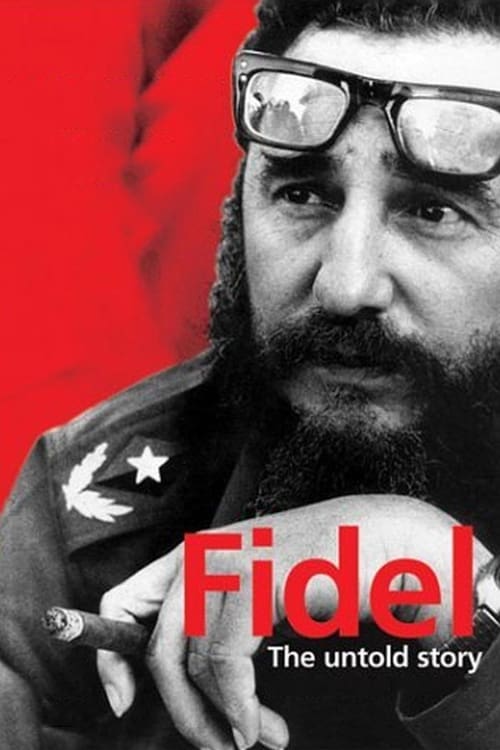
Documentary about Fidel Castro, covering 40 years of Cuban Revolution. Rare Fidel Castro footage: he appears swimming with a bodyguard, visiting his childhood home and school, playing with his friend Nelson Mandela, meeting kid Elián Gonzalez, and celebrating his birthday with the Buena Vista Social Club group.
1961
2017
2017
2012
1994
2008
1996

2004
No reviews yet. Be the first to share your thoughts on this movie!
Use the rating form above to leave a star rating and optional review.