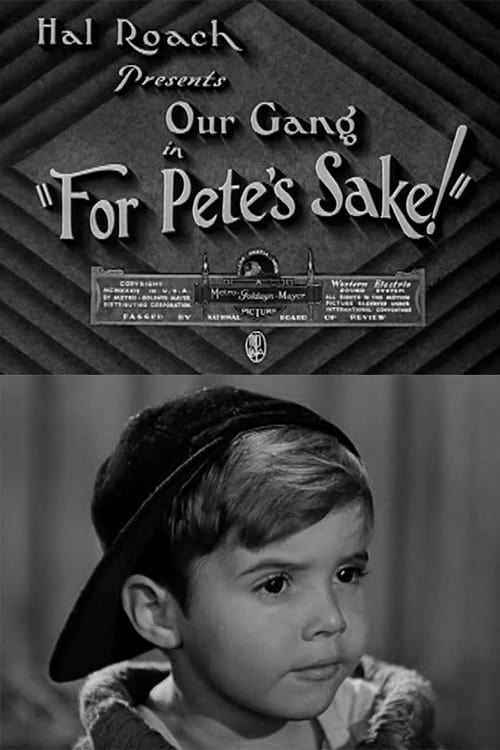
For Pete's Sake!
1934
No user ratings available yet
Representation score: 0.4 out of 10
Representation Score
Minimal
1934
ApprovedDirector
Charles Lamont
Runtime
21 minutes
Average Rating
No ratings yetNew Showbiz Analysis
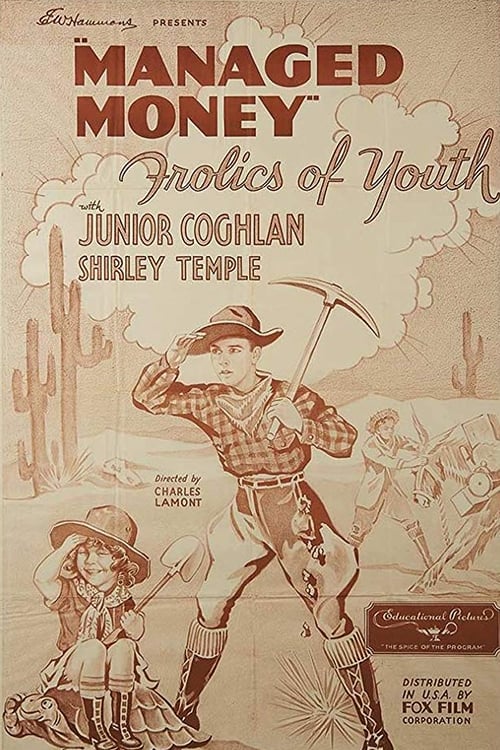
Managed Money is a period comedy that reflects the social and institutional norms of the 1930s. The narrative focuses on traditional family dynamics and respect for established institutions. While the film provides a female protagonist with ability to act, her role is directed towards reinforcing traditional gender roles and patriarchal structures. The lack of diverse casting or non-traditional narratives results in a narrow social scope. Ultimately, the film offers minimal deviation from the conventional social norms of its time, focusing on domestic stability and institutional advancement.
Category Breakdown
The film does not include any LGBTQ+ characters or stories. It follows the typical social norms of 1934 cinema.
Mary Lou plays a central role by driving the plot forward. However, her actions ultimately support a male relative's entry into a patriarchal military institution.
The film appears to reflect the predominantly white casting standards of the early sound era. It adheres to the homogeneous social structures common in 1930s productions.
The plot emphasizes patriotism and the importance of the nuclear family. It operates within the established social morality and institutional respect of the period.
There is no indication that disability plays a central role in the narrative. No characters with disabilities are used as plot devices.
Present on Screen
Limited or Absent
Official Synopsis
Young Mary Lou tries to help her brother Sonny raise money so that he can attend a military academy.
1934

1934

1932

1925

1933
1940

1937

1935
No reviews yet. Be the first to share your thoughts on this movie!
Use the rating form above to leave a star rating and optional review.