Only a Mother
1949
No user ratings available yet
Representation score: 3.2 out of 10
Representation Score
Fair
1974
Director
Vilgot Sjöman
Runtime
142 minutes
Average Rating
No ratings yetNew Showbiz Analysis
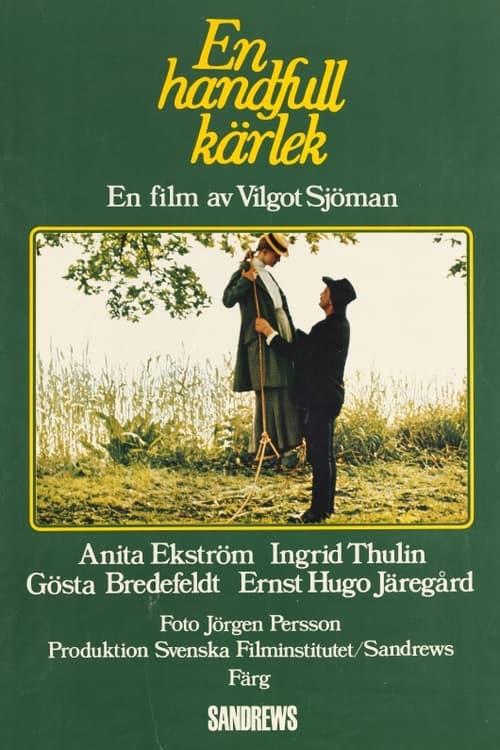
A Handful of Love is a period drama set during the 1909 Swedish general strike. It examines the tension between labor movements and class hierarchies through the eyes of a housemaid. The film's primary focus is on the intersection of class struggle and domestic labor, providing a detailed look at how social institutions and economic structures affect individual lives, especially through a female perspective. The narrative excels at exploring systemic power dynamics and the ability to act of the working class. However, it appears limited by its historical context, showing little racial or ethnic diversity. Additionally, it lacks clear evidence of LGBTQ+ representation or disability inclusion, focusing primarily on class and gender issues.
Category Breakdown
The film does not provide explicit details about romantic relationships involving LGBTQ+ individuals. While previous works by the director have explored unconventional intimacy, there is no verified evidence of characters with non-straight or non-cisgender identities.
The story focuses on a female protagonist navigating a male-dominated socio-economic environment. It examines the role of women within both domestic and political spheres during a time of labor unrest.
Set in 1909 Sweden, the cast likely reflects the demographic homogeneity of the era. The narrative emphasizes class distinctions over racial or ethnic diversity.
The film delves into systemic critiques through the lens of the 1909 general strike. It highlights the struggles of the working class against established institutional and capitalist powers.
There is no information available to assess the portrayal of physical or neurodivergent disabilities in this work.
Present on Screen
Limited or Absent
Official Synopsis
Set against the backdrop of the 1909 general strike, Hjördis is employed as a housemaid in a wealthy Stockholm family.
1949

1993
1971

1956

1945

1954

1970

1963
No reviews yet. Be the first to share your thoughts on this movie!
Use the rating form above to leave a star rating and optional review.